
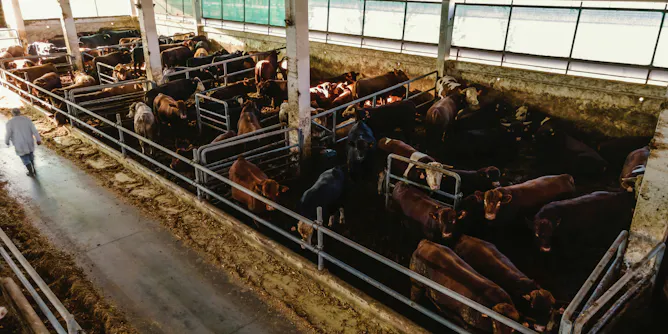
‘Buying local’ often goes hand in hand with ethical choices. But when it comes to meat, we need to reconsider this equation.
Articles on Slaughterhouses
Displaying all articles

Men are more likely than women to eat offal, new research suggests.
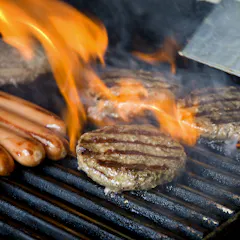
On July 4, 1891, Oklahoman farmer Oscar Weber Bilby served his neighbors the very first hamburgers on buns.
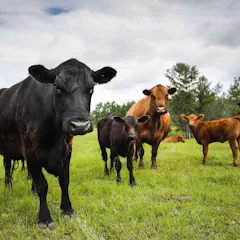
It’s important to design public awareness campaigns that illuminate the richness of animal lives by directing attention to actual animal agency rather than to the human abusers of animals.
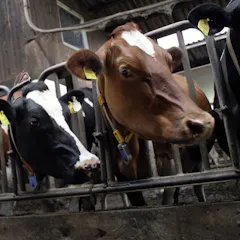
The end of factory farming will lay the foundation for a rural resurgence and the development of more just and sustainable communities for people and animals alike.
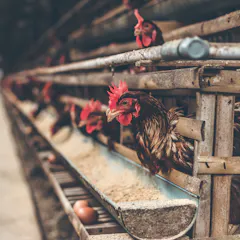
What are known as ‘ag-gag’ laws impede the transparency Canadians expect from farms and food-production facilities, particularly dangerous in the COVID-19 period.

Being able to identify communities that are susceptible to the pandemic ahead of time would allow officials to target public health interventions to slow the spread of the infection and avoid deaths.
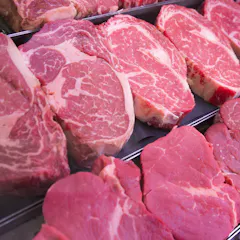
While there’s no evidence the coronavirus is spread through food or packaging, company executives could be prosecuted if that changes – and they chose to keep a plant open despite a factory outbreak.
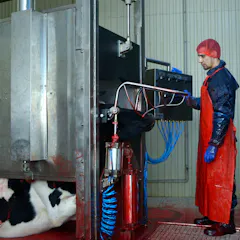
The hazards are both psychological and physical.
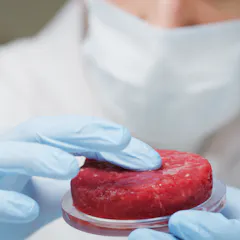
According to some, meat “grown” in a laboratory would only have advantages: an end to animal abuse, preservation of the environment… But the reality is less idyllic.

Race horses should be bred for both speed and durability so owners have an incentive to keep them racing fit and away from the abattoirs.
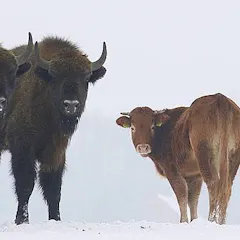
Animals do so much work for humans, from farm animals who die to feed us to service animals helping veterans with PTSD. It’s time we gave back by providing humane living and working conditions.
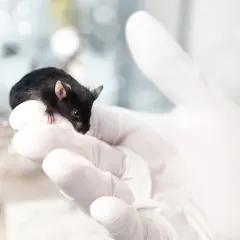
Ethical codes on animal experimentation lay down strict rules about the treatment of lab animals. Animals headed to the slaughter house are not so lucky.
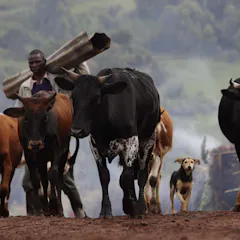
Slaughterhouses are an essential step in meat production. Hygiene standards need to be maintained to prevent the spread of diseases.
Top contributors
-

Professor, Management and Organizational Studies, Huron University College and Coordinator of Animal Ethics and Sustainability Leadership, Western University
-
Deputy Director Of The Centre For Professional Ethics, University of Lancashire
-
Professor of Rural Sociology, Iowa State University
-
Honorary Associate, Sydney School of Veterinary Science, University of Sydney
-
Professor of Finance, University of Toronto
-
Post-doctoral Fellow, School of Agricultural, Environmental and Veterinary Sciences, Charles Sturt University
-
Senior research associate, University of Technology Sydney
-
Research Fellow, Animal Law and Policy Program, Harvard University
-
Associate Professor of Business Law and Ethics, Indiana University
-
Biologiste, Immunologiste. Directeur de recherches au FNRS, Université Libre de Bruxelles (ULB)
-
Professor, School of Veterinary Science, University of Sydney
-
Assistant Professor, Department of Global Studies; Director of Food Studies, University of Oregon
-
Doctorante en droit, avocate, LL.B., LL.M. , L’Université d’Ottawa/University of Ottawa
-
Associate professor, L’Université d’Ottawa/University of Ottawa
-
Veterinary epidemiologist, International Livestock Research Institute