
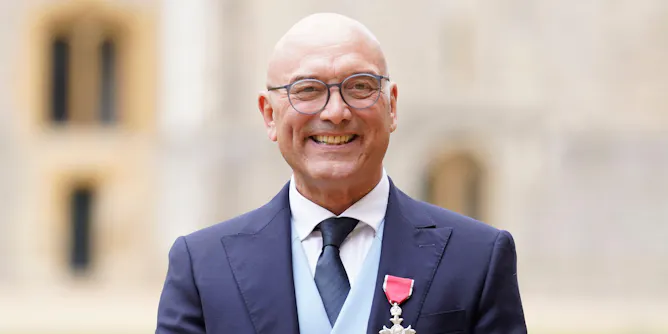
A number of reports have drawn attention to working conditions within the UK television industry in recent months.
Articles on Sexual harassment
Displaying 21 - 40 of 341 articles

In a landmark study of 1,000 LGBTQ young people, we found many experience threats to “fix” them through sexual violence.

The incoming U.S. president and his potential cabinet share a track record of sexual abuse allegations and cover-ups. The characteristics that accompany such behaviour don’t bode well for the world.

It is common for people to observe sexual exploitation and not try to intervene or stop it from happening. It’s useful to first understand why people do nothing.

Existing theories of workplace precarity often leave out the dimension of sexual harrassment. My research uncovered just how big a problem that is, in a wide range of workplaces.

Our study finds media reporting uses words that infantilise women, plays up the importance of celebrity aggressors and under-reports agression by female perpetrators.

Away from the glare of high-profile trials, defamation law is being used against women who come forward about sexual harassment. There’s little political appetite to fix it.
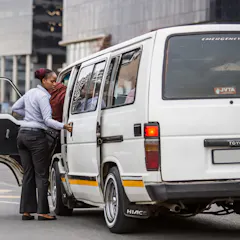
The participants all said they often felt anxious and hypervigilant when commuting.

Some sexual offences on public transport are often not regularly discussed or taken seriously.

A new Parliamentary Standards Commission will oversee behaviour codes for parliamentarians and their staff. The primary function of the commission will be to investigate allegations of code breaches.

The largest South African survey of its kind has found that women in live music are often excluded from decision-making, receive unequal pay and face a range of aggressions.

These findings suggest that encouraging white men to reflect on what happens to them on the job could make them better allies of their co-workers who are women or people of color.

Women embracing football as fans has neither led to greater equality nor resolved issues around their safety. These issues need to be addressed urgently.

One in seven Australians say they have engaged in tech-based workplace harassment – and it’s often designed to offend, humiliate and distress the victim.

Australian jurisdictions are making strides to ensure consent means an active ‘yes’ rather than the absence of a ‘no’. But without better knowledge of these laws, they risk being just words on paper.

A new study examines why women who report sexual misconduct often experience retaliation while men who are alleged perpetrators of sexual assault escape repercussions.
We're joined by Michael Flood, professor at the Queensland University of Technology to discuss the harassment against women in boys only schools and what leads to some men and boys to mistreat women.

Non-disclosure agreements have been used to keep victim-survivors from speaking up. Despite guidelines addressing this, new research shows such agreements remain standard practice.

There have been disturbing reports of students making sexual moaning noises at teachers and other students. This includes students in both high school and primary school.
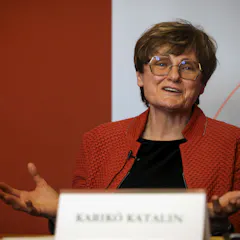
Studies reveal women’s research receives tougher assessment, less funding, fewer prizes and less citation than men’s.
Top contributors
-

Professor of Law, University of Oregon
-
Associate Professor in Criminology, The University of Melbourne
-
Professor of Family and Sexual Violence, RMIT University
-
Professorial Fellow, University of Canberra
-
Director, XYX Lab, and Professor, Faculty of Art, Design and Architecture, Monash University
-
Lecturer in Journalism, City St George's, University of London
-
Associate Professor, Faculty of Law, University of Technology Sydney
-
Canada Research Chair in Inequality and Gender, Western University
-
University Diversity and Social Transformation Professor of Psychology, Women's & Gender Studies, and Management & Organizations, University of Michigan
-
Professor of Global & Language Studies, RMIT University
-
Professor in Criminal Law, Durham University
-
Albert E. Kent Professor of Psychiatry, Yale University
-
Honorary Research Fellow, The University of Melbourne
-
Lecturer in Criminology, University of Plymouth
-
Professor of Work and Organisation, Queensland University of Technology