
From offshore oil and gas to the homes of people with disabilities, this is emerging as one of the most exciting areas of tech.
Articles on Sensors
Displaying 21 - 38 of 38 articles
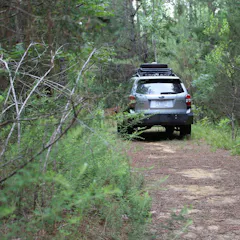
One-third of roads in the U.S. are unpaved; plenty more have faded or obscured road markings. Today’s self-driving vehicles can’t go on them, and will need new algorithms to handle those conditions.

UV ratings indicate risk of skin damage – but they’re based on pale skin. New wrist bands designed for six different tones of skin provide a more personalised way to track safe UV exposure.

One way to make sensors small is to make them out of something that’s incredibly small in the first place, such as DNA.
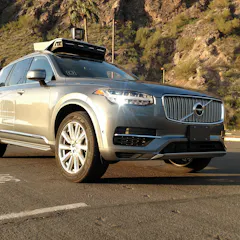
Sensors that monitor everything a self-driving vehicle does can help determine who is responsible in the case of an accident – the manufacturer, the service centre or the vehicle owner.
It’s not just fitness trackers – mobile phones can reveal users’ whereabouts too, even with location tracking turned off.
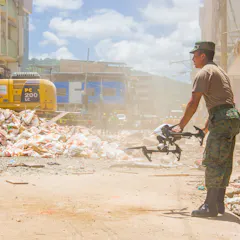
Stand by for drones, robots and sensors to the rescue.

You can log in to your smartphone by talking to it. Current security systems don’t protect enough against imitators. The best way to ensure voice authentication is secure is to start with the sound.
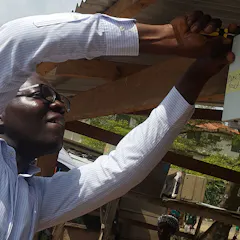
Citizens and activists are using cheap off-the-shelf sensors to collect their own data on air pollution. It’s a promising trend, but these devices have serious technical limitations.

Design will make the difference between smart city projects offering great promise or actually reinforcing or even widening the existing gaps in unequal ways their cities serve residents.

Flexible, easy to make, inexpensive, stretchable and simple to coat with nanomaterials, threads are also very commonly used by doctors already.
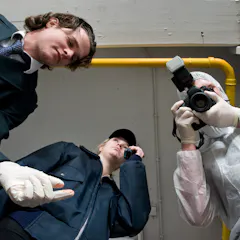
Microsoft Kinect’s cheap sensors could create low-cost 3D computer models of crime scenes.
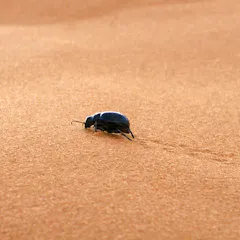
Detecting drier or wetter conditions is crucial for insect survival. We’ve long known they can do this – now researchers have discovered the genetic and neural basis for their humidity-sensing system.
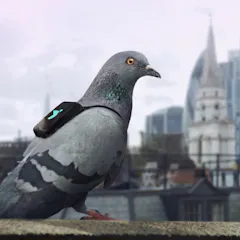
This low-cost way of monitoring air quality is appealing, but there needs to be acknowledgement of their weaknesses as well as strengths.
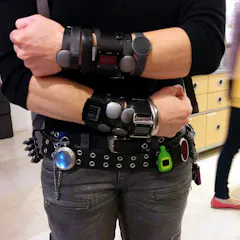
We can already track plenty of body data, but to really make a difference, wearables need to consistently collect clinically valuable information that can be used to improve health.

New technology to tackle biosecurity challenges down the track is one of the five megatrends identified in today’s CSIRO report Australia’s Biosecurity Future: preparing for future biological challenges…
An updated pH sensor thinner than a human hair has been developed using nanotechnology to replace traditional glass electrode…
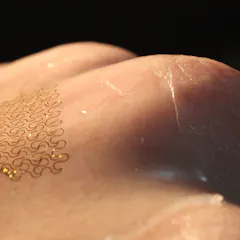
Scientists have invented new stick-on ‘tattoos’ that track human heart, brain wave and muscle activity and could one day replace cumbersome medical monitors. Known as an epidermal electronic system (EES…
Top contributors
-

Professor of Cyber Security and Policy, Tufts University
-
Professor of Electrical and Computer Engineering, Tufts University
-
Professor of Intelligent and Self-Organising Systems, Imperial College London
-
Professor, ARC Future Fellow & Founding Director, Sir Ian Potter NanoBioSensing Facility, RMIT University
-
Assistant Professor, Northumbria University, Newcastle
-
Senior research associate, University of Athens
-
Associate Director, Center for Advanced Vehicular Systems; Ph.D. Student in Bagley College of Engineering, Industrial and Systems Engineering, Mississippi State University
-
Professor at the School of Computer Science and Engineering, UNSW
-
Senior Principal Research Scientist, Ecosystem Sciences, CSIRO
-
Assistant Research Professor, Center for Advanced Vehicular Systems, Mississippi State University
-
Associate Director, Community-Engaged Research, Stanford University
-
Assistant Research Professor and Associate Director for Human Factors and Advanced Vehicle System, Center for Advanced Vehicular Systems, Mississippi State University
-
Chair in Natural Computation, Edinburgh Napier University
-
Associate Professor of Biomedical Engineering, George Washington University
-
Professor of Distributed Systems & Chair in Applied Data Sciences, Queensland University of Technology