
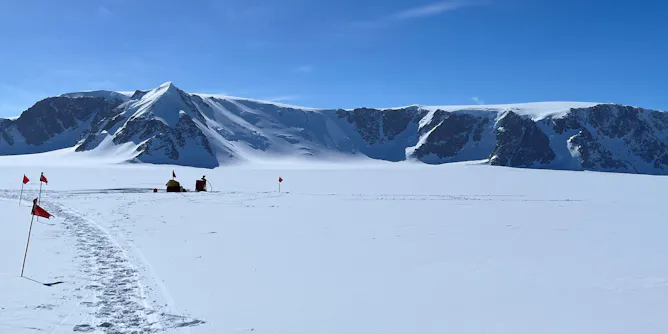
The Māori language describes 12 distinct types of snow. Researchers are identifying them in Antarctica as part of a project that connects Western science with Indigenous knowledge.
Articles on Seasonality
Displaying all articles
Although biologists have studied seasonal processes for centuries, we know surprisingly little about the impacts of shifting seasons. We are likely underestimating the repercussions.

Here are just some of the ways light is important for our wellbeing and mental health.
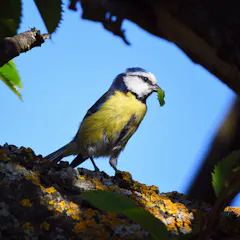
In variable environments, like temperate woodlands, species are not equally at risk.

Some of winter’s effects have been tied to cultural norms and practices, while others likely reflect our bodies’ innate biological responses to shorter days and colder weather.
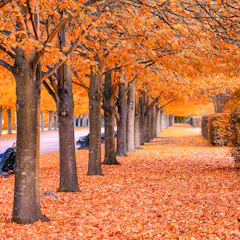
Autumn is arriving later in the year – climate change is probably to blame.
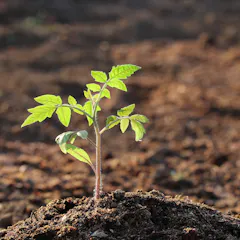
It can be hard to grasp the changes climate change is bringing. To see it in your own life, look at the shifting seasons.

The seasons can affect transmission of the virus – but this will likely be dwarfed by the impact of public health measures.
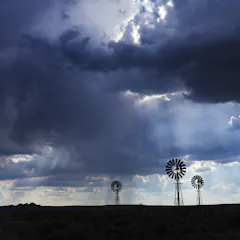
Trends across the different rainfall zones can be linked to changes recorded for large-scale climate systems.

There’s no scientific definition for a wave of disease – and no evidence that the original onslaught of coronavirus in the US has receded much at all.
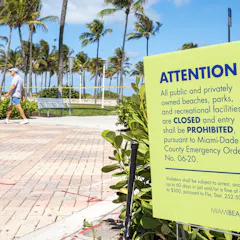
Winter is flu season – could it be coronavirus season as well? The research is mixed, but other factors besides temperature and humidity have more to do with the spread of SARS-CoV-2.

Did you ever consider that human beings might have a breeding season? Birth seasonality exists – and has interesting implications for childhood disease outbreaks.
Top contributors
-

PhD student, Psychology, University of British Columbia
-
Professor of Applied Mathematics, University of Liverpool
-
Professor of Physical Geography, University of the Witwatersrand
-
Research Assistant Professor of Epidemiology, University of Michigan
-
Research Fellow in Statistics, University of Michigan
-
PhD Researcher in Evolutionary Biology, University of Edinburgh
-
Professor of Remote Sensing in Geography and Environmental Science, University of Southampton
-
Senior Research Associate in Physical Oceanography, University of Tasmania
-
Assistant Professor of Environmental Health Sciences, Columbia University
-
Researcher, Agricultural Research Council
-
Associate Professor of Psychology, Arizona State University
-
Professor of Pediatrics and Law and Health Policy, Vanderbilt University
-
Co-Director, Health and Policy, Brain and Mind Centre, University of Sydney
-
Postdoctoral Research Fellow, Brain and Mind Centre, University of Sydney
-
Senior Research Fellow in Youth Mental Health, Brain and Mind Centre, University of Sydney