
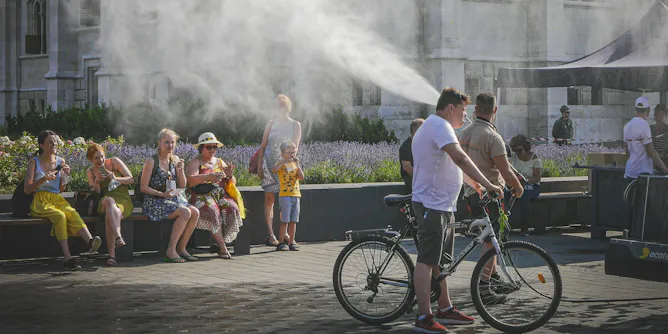
The number of days with summer conditions is growing by roughly six days more each decade since 1990, contributing to fire season, drought, energy demand and disrupted agricultural activity.
Articles on Seasonal change
Displaying all articles
Here are just some of the ways light is important for our wellbeing and mental health.

The impacts of climate change on the terrestrial ecosystems, that comprise interconnected webs of snow, water, plants and animals, can be rapid, complex, and unpredictable.
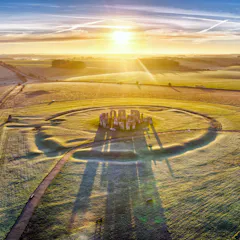
The dead of winter, when the longest night of the year takes place, has also traditionally been celebrated as a time of renewal and reverence.
Journals, museum collections and other historical sources can provide valuable data for modern ecological studies. But just because a source is old doesn’t make it useful.
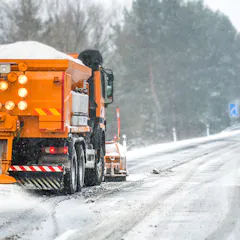
Salty water seeps into our soils and groundwater through surface runoff and storm-water pipes. The long-term storage of salt in the environment impacts aquatic life, infrastructure and drinking water.
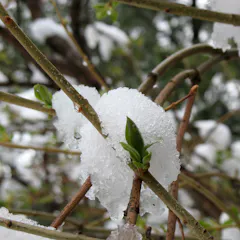
Trees and shrubs in cold-weather climates rely on certain signals, such as temperature and light, to know when to leaf out and bloom. Climate change is scrambling those signals.
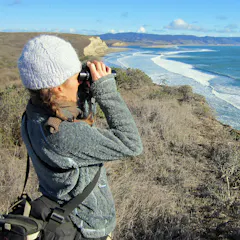
COVID-19 kept many scientists from doing field research in 2020, which means that important records will have data gaps. But volunteers are helping to plug some of those holes.
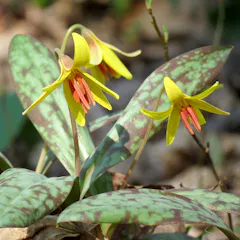
Climate change has advanced the arrival of spring by as much as several weeks in some parts of the US. This can mean major crop losses and disconnects between species that need each other to thrive.
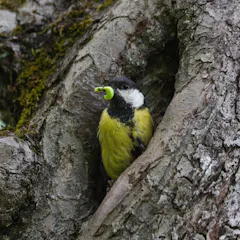
The signs of spring are advancing at different rates - and the consequences for ecosystems could be disastrous.
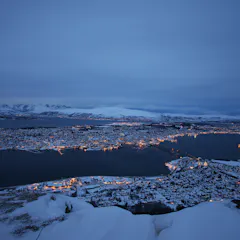
Could a psychological approach alleviate the misery of the cold, dark wet winter?
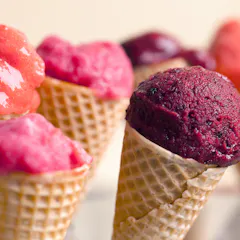
Ice cream and BBQ sales may rise when the weather’s good, but it’s mostly at the expense of other, cold weather, items.
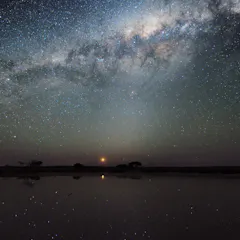
Indigenous Australian practices, developed and honed over thousands of years, weave science with storytelling. In this Indigenous science series, we’ll look at different aspects of First Australians’ traditional…
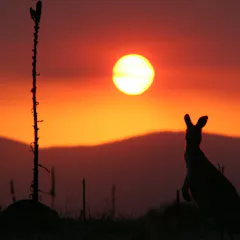
It’s the time of the equinox or more specifically the spring equinox for us in the southern hemisphere. The equinox is a midpoint. It’s around now that day and night become equal in length (but more about…
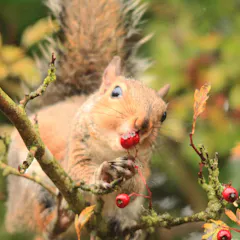
The National Trust has reported that the seasonal activities of plants and animals in the UK have been exceptionally early in 2014. Spring and summer have come early – and observations from some parts…
Top contributors
-

Director, USA National Phenology Network, University of Arizona
-
Professor of Biology, Boston University
-
Associate Professor, School of Physics, The University of Melbourne
-
Senior Curator (Astronomy), Museums Victoria Research Institute; The University of Melbourne
-
Ph.D. candidate in Psychology, Stanford University
-
Acting Director and Astronomer, Dyer Observatory, Vanderbilt University
-
Assistant Professor of Citizen and Data Science, University of Arizona
-
Policy Research Specialist, Repair Lab, University of Virginia
-
Canada Research Chair in Environmental Influences on Water Quality, University of Winnipeg
-
Associate Senior Lecturer, Durrell Institute for Conservation and Ecology, University of Kent
-
PhD Student, Department of Ecology and Evolutionary Biology, University of Toronto
-
Science Coordinator, Acadia National Park, National Park Service
-
Director, Executive Leadership Academy, University of California, Berkeley
-
Professor of History, University of Illinois Urbana-Champaign
-
Outreach Coordinator and Liaison to the U.S. Fish & Wildlife Service, University of Arizona