
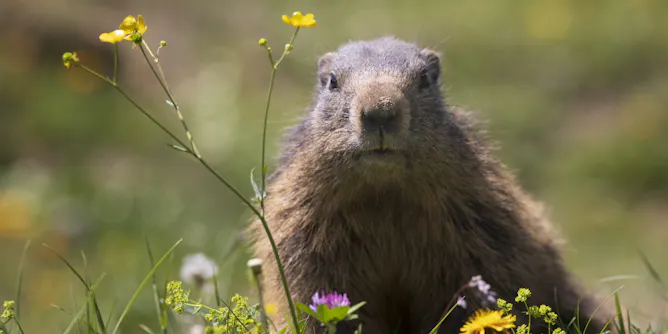
Groundhogs predict spring with the same accuracy as flipping a coin. But they’re vital to their ecosystems, feasting through summer to store enough fat to last through their winter hibernation.
Articles on Phenology
Displaying 1 - 20 of 34 articles

Seasonality sets the rhythms of life – and can have surprising consequences for ecology and evolution

Seasons are more than just divisions of time – they are our connection with nature.

Plankton bloom and wither with the seasons much as plants do on land.
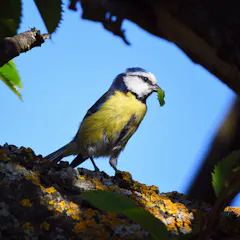
In variable environments, like temperate woodlands, species are not equally at risk.

Great tits being studied at a woodland near Oxford are adjusting the timings of their breeding season as the climate changes.
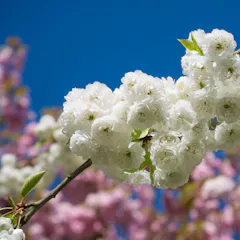
Rising air temperatures mean shorter winters and earlier springs.
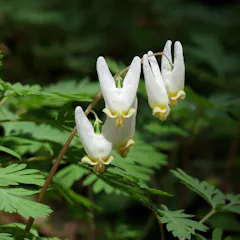
Many beloved wildflowers bloom in early spring, while trees are still bare and the flowers have access to sunlight. Climate change is throwing trees and wildflowers out of sync.
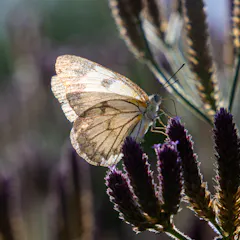
Across the world, phenological events are occurring increasingly earlier as a result of climate change.
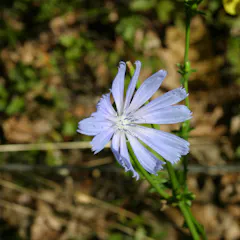
Journals, museum collections and other historical sources can provide valuable data for modern ecological studies. But just because a source is old doesn’t make it useful.

Honey bees, wild and native bees face threats from parasites, pesticides and habitat loss. Shorter winters, more extreme weather and more habitat destruction won’t help.
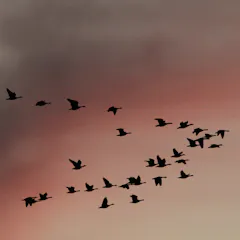
Satellite telemetry, tiny geolocation tags and passive acoustic recording are providing new insights into bird migration and vital data for conservation.
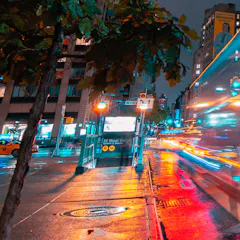
Artificial light is upending trees’ ability to use the natural day-night cycle as a signal of seasonal change.

Climate change is modifying the timing of recurrent life-cycle events with critical consequences on ecological and economic levels.
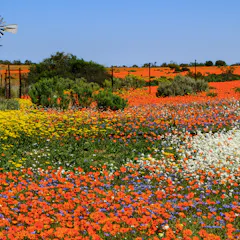
The progressively earlier flowering places the daisies at greater risk of failed flowering seasons. This would be a blow to biodiversity and tourism.

Climatologists study data over a long time to understand weather patterns and what causes them. Biometeorologists explore the impact that the weather and climate have on people, plants and animals.
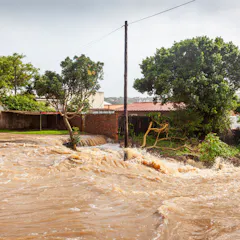
The picture seems hopeless, but with mitigation and adaptation strategies and policies driven through COP26, southern Africa can reduce the impacts of climate change on local livelihoods.
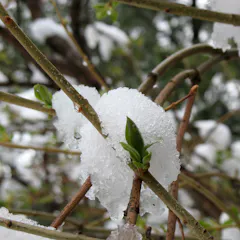
Trees and shrubs in cold-weather climates rely on certain signals, such as temperature and light, to know when to leaf out and bloom. Climate change is scrambling those signals.

COVID-19 kept many scientists from doing field research in 2020, which means that important records will have data gaps. But volunteers are helping to plug some of those holes.
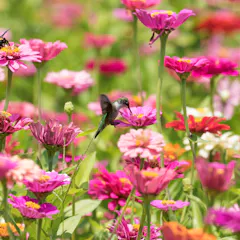
The threats of climate change to plants, animals and people in Africa mean that the continent is an excellent place for biometeorological research.
Top contributors
-

Professor of Physical Geography, University of the Witwatersrand
-
Professor of Biology, Boston University
-
Director, USA National Phenology Network, University of Arizona
-
Policy Research Specialist, Repair Lab, University of Virginia
-
Adjunct Associate Professor, Centre for Creative & Cultural Research, University of Canberra
-
Associate Professor of Geography, Environment, and Sustainability, University of Richmond
-
Adjunct Associate, Department of Forest and Ecosystem Science, The University of Melbourne
-
Lecturer in Marine Population Ecology, Bangor University
-
Postdoctoral Research Fellow, Oregon State University
-
Former Postdoctoral Research Associate
-
Professor, University of Alberta
-
Professor, Département des Sciences Fondamentales, Université du Québec à Chicoutimi (UQAC)
-
Assistant Professor of Citizen and Data Science, University of Arizona
-
Associate Professor of Environmental Science, Iowa State University
-
Science Coordinator, Acadia National Park, National Park Service