
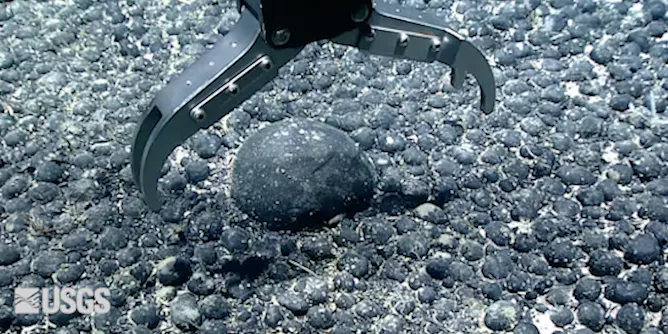
There’s a growing interest in mining the ocean seabed for minerals essential to technology. But whose minerals are they? A Law of the Sea scholar explains.
Articles on Seabed mining
Displaying all articles
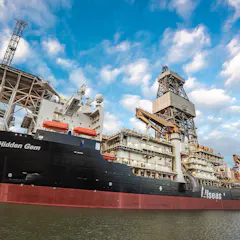
Proposed seabed mining for battery minerals could collide with tuna fisheries, fragile ecosystems and Pacific sovereignty.
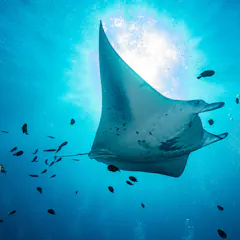
Marine conservationist Callum Roberts explains the significance of the new high seas treaty, and the grey areas it still leaves for our oceans.
The High Seas Treaty comes into force in January. New Zealand lags behind on several fronts, including marine protection and recognition of Māori customary rights.
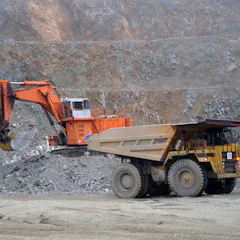
The big financial returns from mining often flow overseas. Here are four ways the government could ensure the country benefits more if it expands mining.
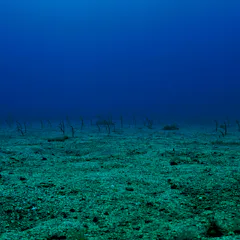
Whether the government approves two seabed mining applications or chooses a precautionary approach, the stakes are high and other Pacific nations will be watching.
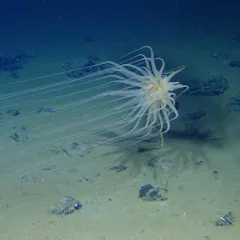
Companies are preparing to move forward with seabed mining, but a method for gathering critical minerals from the seafloor would create sediment plumes in the water column where many creatures live.
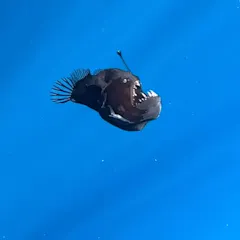
An unprecedented sighting of a “black seadevil” fish in surface waters triggered a global outpouring of empathy for the deep sea.
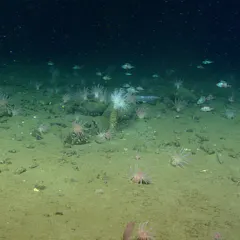
New research has revealed the scale of the carbon-storage potential of the seabeds around Canada, conservation efforts must take this new data into account.
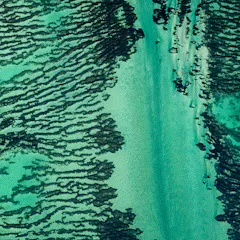
Blue carbon is stored in mangroves, seagrass and sediments. Discussions at the UN Ocean Decade conference reiterate the importance of preserving existing sea floor habitats, before it’s too late.
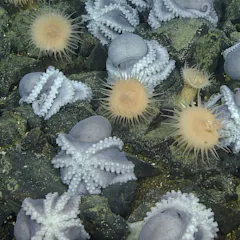
Thousands of pearl octopuses were discovered in 2018 lining thermal vents near a deep-sea volcano. Researchers now know why octopus moms gather there.
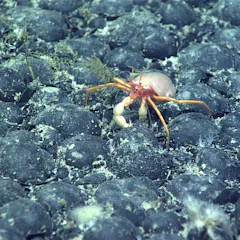
Deep sea metallic nodules could help us shift to clean energy. But we don’t know how much damage it will do to ecosystems
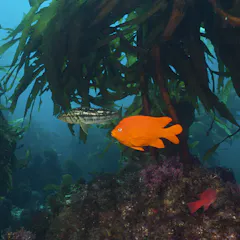
Humans rely on the ocean for food, jobs and other resources, but these systems are being stressed to the brink.
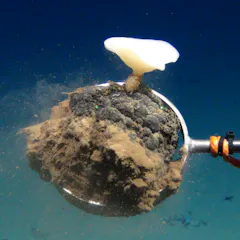
Mining nodules from the deep ocean seabed could provide the metals crucial for today’s EV batteries and renewable energy technology, but little is known about the harm it could cause.
Top contributors
-

Professor of Environmental and Energy Policy, Indiana University
-
Associate Professor of International Studies, Indiana University
-
Professor of Law, Indiana University
-
Professor of Business Law and Ethics, Indiana University
-
Professor in the School of Geography and Sustainable Development, University of St Andrews
-
Regents' Professor of Art and Design, Georgia State University
-
Researcher in Ecosystem Dynamics, University of California, Santa Cruz
-
Assistant Professor of Invertebrate Ecology at Moss Landing Marine Laboratories, San José State University
-
Professor of Marine Conservation, University of Exeter
-
Host, The Conversation Weekly Podcast, The Conversation
-
Doctoral Researcher, Macmillan Brown Centre for Pacific Studies, University of Canterbury
-
Professor of Biology, Department of Biology, University of Victoria
-
Lecturer in Law, Deakin University
-
Postdoctoral Research Fellow, Minderoo-UWA Deep-Sea Research Centre, The University of Western Australia
-
Ph.D. Candidate in Biological Oceanography, University of Hawaii