
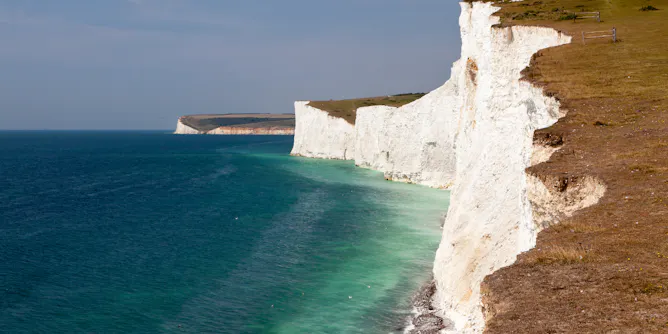
An ‘almost continuous’ marine heatwave state appears to be emerging around the UK.
Articles on Sea surface temperatures
Displaying all articles

NOAA’s preseason forecast is the 30,000-foot view of what’s likely. Here’s what forecasters will be watching for over the weeks and months ahead.
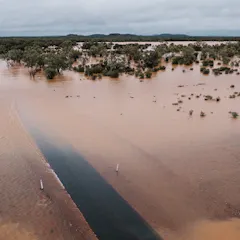
The worst flooding in 50 years has turned parts of western Queensland into an inland sea, stranding communities and livestock. It’s so vast, it’s set to completely fill Lake Eyre.

Even if Zelia doesn’t hit towns directly, it’s likely to cause a lot of damage.

Determining the global average temperature on any given day is complex. It involves thousands of observations, high-tech equipment and sophisticated computer models.
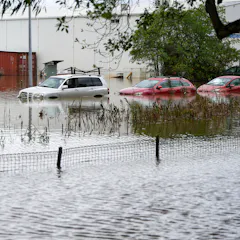
The impacts of record heat on the global water cycle were severe and wide-ranging – and the trend will continue in 2024.
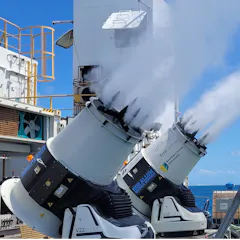
Australian is experimenting with marine cloud brightening to cool and shade the Great Barrier Reef. Here’s how it works.
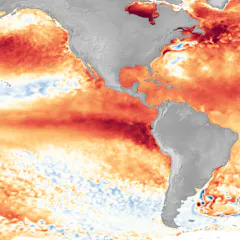
An atmospheric scientist explains how El Niño works, this year’s oddities and why this phenomenon doesn’t last long.
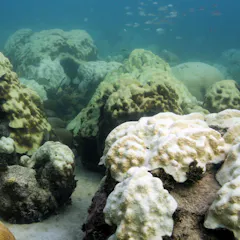
Water temperatures in the 90s off Florida in July are alarming, a NOAA coral scientist writes. Scientists in several North American countries have already spotted coral bleaching off their coasts.

Climate change is relentless and largely predictable, but it is influenced by natural variability. This means the largest temperature rise usually comes at the end of an El Niño event.
Over the past three years, Earth’s climate system has accumulated an average of 11 Hiroshima bombs’ worth of excess energy per second. And it’s showing in the current surge in ocean temperature.
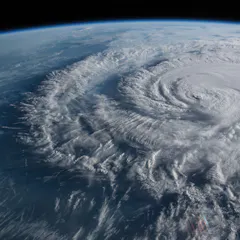
Current forecasts suggest a warm tropical Pacific will be interfering with what could otherwise be a ferocious Atlantic hurricane season.
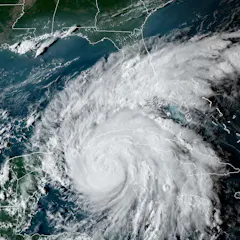
Much of the state is at risk of heavy rainfall, and the coast could see devastating storm surge, particularly around Tampa Bay.
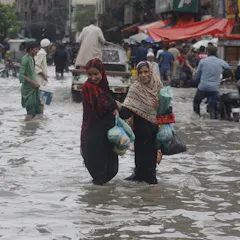
A climate scientist explains the forces behind the summer’s extreme downpours and dangerous heat waves, and why new locations will be at risk in the coming year.
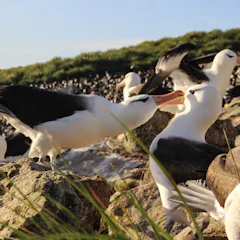
Warming seas are harming albatross couples’ resilience, leading to higher rates of separation in the seabirds.
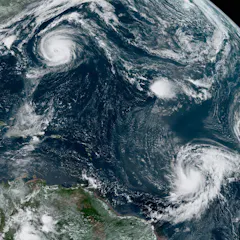
There were so many tropical storms in 2020, forecasters exhausted the list of names and started using Greek letters. And that’s only one reason 2020 was extreme.
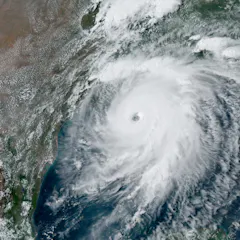
Laura went from a tropical storm to a major hurricane in less than 24 hours, sending coastal residents scrambling to prepare. Hurricanes Harvey and Michael exploded in strength in similar ways.

Hundreds of organizations are working around the world to restore damaged coral reefs. New research shows that rapid ocean warming threatens these efforts.
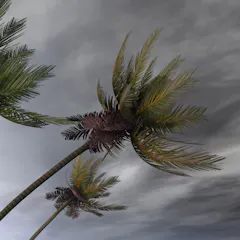
Tropical cyclones account for almost four in five natural disasters across Pacific Island nations. But a new forecasting tool now gives up to four months warning for the upcoming cyclone season.
Top contributors
-

Adjunct Professor of Environmental Geography, CQUniversity Australia
-
Distinguished Scholar, National Center for Atmospheric Research; Affiliate Faculty, University of Auckland, Waipapa Taumata Rau
-
Postdoctoral research associate, University of Liverpool
-
Assistant Professor of Meteorology, Florida State University
-
Principal Scientist & Programme Leader of Southern Hemisphere Climates and Environments, National Institute of Water and Atmospheric Research (NIWA)
-
Postdoctoral Researcher, University of Newcastle
-
Senior Lecturer, Southern Cross University
-
Adjunct professor, Flagler College
-
Assistant Professor of Atmospheric Sciences, Iowa State University
-
Senior Research Fellow, School of Life and Environmental Sciences, University of Sydney
-
Associate Professor – Hydroclimatology, University of Newcastle
-
Professor, Water and Landscape Dynamics, Fenner School of Environment & Society, Australian National University
-
Assistant Professor, University of Oklahoma
-
ARC Future Fellow and Associate Professor in Climate Science, ARC Centre of Excellence for 21st Century Weather, The University of Melbourne
-
Physical Scientist, NOAA and Cooperative Institute for Research in the Atmosphere, Colorado State University