

Students who study remotely need to have someone supervise them in-person. If it’s not a family member, it is an external tutor, who are hard to recruit and keep.
Articles on Schooling
Displaying 41 - 60 of 70 articles

Our results highlight what’s possible when programs aimed at helping the most disadvantaged students are well funded.
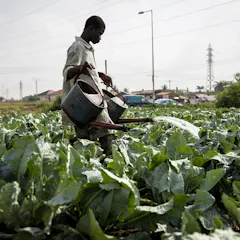
Children working on family farms is often mistaken for harmful child labour.
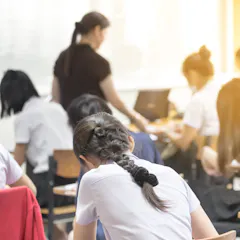
A major international report says the “disciplinary climate” in Australian schools is among the “least favourable” in the Organisation for Economic Co-operation and Development.

School ‘gets real’ in Year 1 after an emphasis on play in the year before. Meanwhile, in Year 8, students’ motivation can dip in a year that has no obvious purpose.
Parents can be worried when they hear their child is in a composite class. Research says the teacher and school community are more important than how a class is composed.
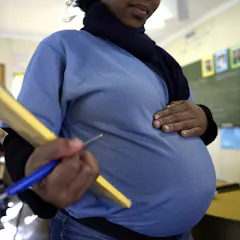
Under South African law, girls have the right to continue their schooling through and after their pregnancies.

It is often assumed young people in flexi schools are not interested in doing intellectually challenging work. New research shows this is not the case.

Biometric data can be used in schools to track everything from attendance to exam behaviour and what students buy from the canteen.
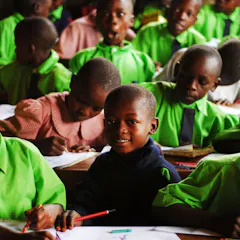
Parents are enablers, motivators and facilitators of their children’s education.

There are lots of stereotypes about why people homeschool their kids. Some parents interviewed in new research said bullying meant they had no choice.
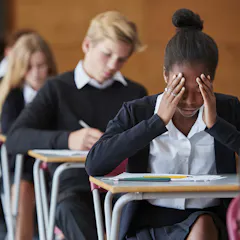
There are opportunities for intervention in the education system to address gaps in psycho-social provision and support.
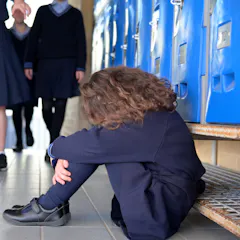
Attendance at school is crucial to improving educational outcomes for students. Unfortunately, children in out-of-home care face myriad challenges when it comes to attending school every day.
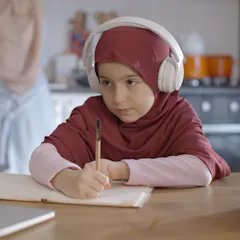
COVID public health measures included school closures and a shift to online learning. This placed immigrant families at a disadvantage as they saw to their children’s emotional and educational needs.

We must meaningfully include newcomers and refugees in the formulation of policies that address structural constraints that affect them during times of crisis.

Contact languages are widely spoken by many First Nations children. These languages must be recognised and valued in the classroom to better meet students’ learning needs.
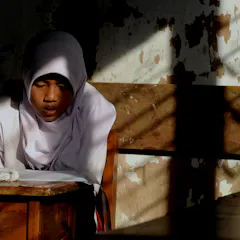
Indonesia can serve as an important model for the Taliban of how Muslim nations and faith-based organisations can play a big role in expanding girls’ education.
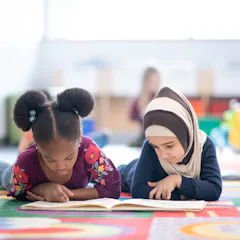
The ‘multiplier effect’ of literacy empowers people by enabling them to meaningfully participate in society and improve their livelihoods.
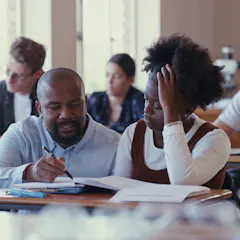
There’s no perfect teaching approach guaranteed to prepare student teachers to teach subjects in English in a multilingual environment. But there are things universities can do to prepare them.
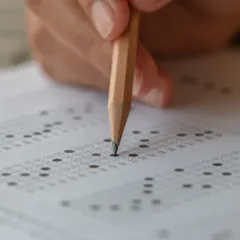
Training New Zealand students to be better at tests would probably improve their performance. But, as Finland has shown, there are better (if more expensive) alternatives.
Top contributors
-

Scientia Professor and Professor of Educational Psychology, UNSW
-
Associate Professor, Health Education & Professional Practice, University of Sydney
-
Lecturer in Gender and Cultural Studies, University of Sydney
-
Professor of Learning Sciences, Monash University
-
Research Scientist, African Population and Health Research Center
-
Associate Professor, School of Educational Psychology and Inclusion, Monash University
-
Professor & Director, Institute of Child Protection Studies, Australian Catholic University
-
Senior Lecturer in Education, Queensland University of Technology
-
Professor, Principal Research Fellow & Deputy Head of School, School of Education, The University of Queensland
-
Professor, Faculty of Creative Industries, Education and Social Justice, Queensland University of Technology
-
Professorial Fellow, University of Canberra
-
Director in the Centre for Excellence in Learning and Teaching (CELT), Durban University of Technology
-
Professor, School of Early Childhood & Inclusive Education, Queensland University of Technology
-
Junior researcher, Stellenbosch University
-
Senior Lecturer in School of Education, University of Southern Queensland