
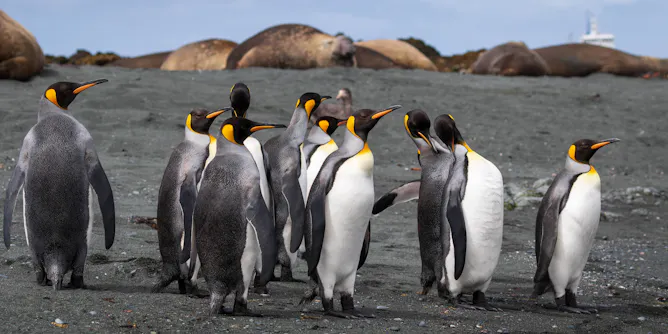
Understanding the true magnitude of the current H5N1 outbreak is key to curbing its spread.
Articles on Scavengers
Displaying all articles
Animals that feed on infected carcasses could be accelerating the spread of the H5N1 strain.

Road counts over 16 years revealed declines in populations of birds of prey in South Africa.
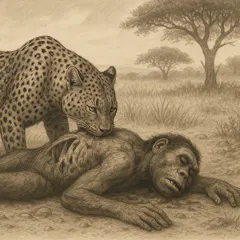
Paleoanthropologists have thought that Homo habilis was the first stone-tool maker and meat-eater in our genus. But new research suggests H. habilis might not have been so advanced.
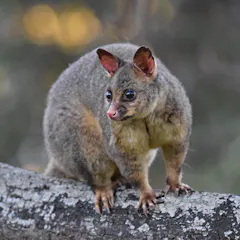
In Australia, people tend to think carnivores lead the clean-up crew after an animal dies. But brushtail possums – thought to be plant-eaters – also eat carcasses.

You might expect scavengers such as vultures to have a diet high in dangerous bacteria. Our study investigated what defences these animals have to help them stay healthy.
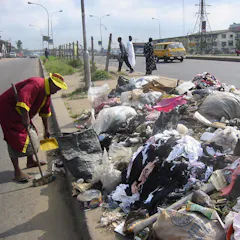
Lagos has a waste problem that can be tackled by adopting a sustainable waste management policy that considers income brackets.
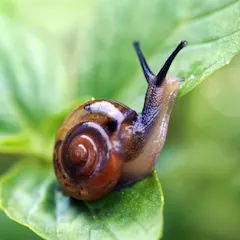
These members of the mollusk family may be slow, small and slimy, but they are an indispensable part of the ecosystem.

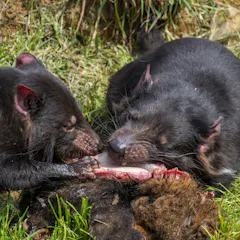
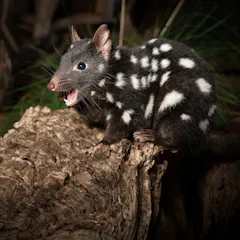
The diets of Tasmanian devil are narrowing in areas where humans have changed the landscape. This has big implications for conserving the species.
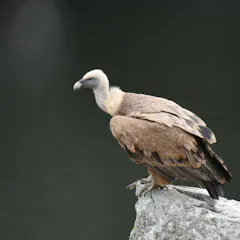
The identification of a vulture that lived more than 50,000 years ago is shedding more light on biodiversity loss and ecosystem change in Australia.
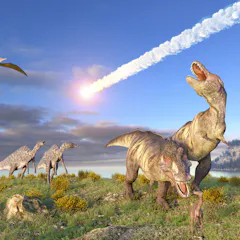
Cockroaches have been on Earth far longer than humans and may outlast us. Here are a few reasons why.
The 1878, the body of Sergeant Michael Kennedy lay in the bush in Victoria’s Wombat Ranges. He’d been shot by the notorious Ned Kelly gang – but the bush would add its own gruesome ending.
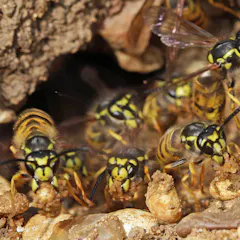
The invasive species was likely brought to Australia unintentionally by ship. Now found in every state and territory, the wasps are decimating our ecosystems.
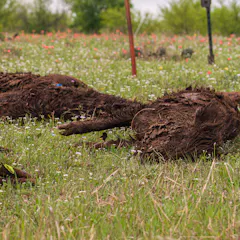
Death is a natural part of ecosystems. But it’s unusual for a large number of animals to all die at once. Researchers are investigating how a mass mortality event affects what’s left afterwards.
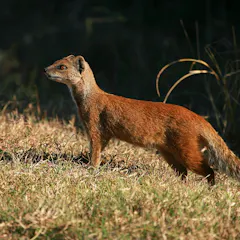
Scavengers play an important but often poorly understood role in how fast bodies decompose.
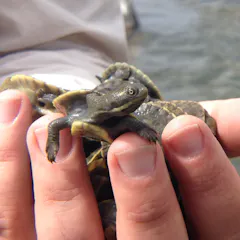
Millions of dead carp will fill the Murray-Darling Basin after the government releases a targeted virus. Scavengers like turtles and crayfish might help – as long as we protect them.
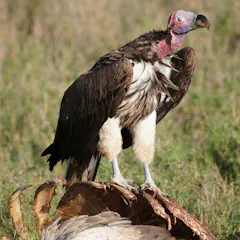
They might keep the environment clean and healthy but most species are in steep decline.
Top contributors
-

Associate Professor, Global Ecology, University of Sydney
-
Professor, Western Sydney University
-
PhD Candidate, Disease Ecology Lab and Global Ecology Lab, University of Sydney
-
Conservation Biologist, Nottingham Trent University
-
PhD Candidate, UNSW
-
Chair of Veterinary Public Health and Food Safety, University of Sydney
-
Associate Professor in Biomedical Sciences, La Trobe University
-
Emeritus Professor in Zoology, University of Sydney
-
Master's Student in Entomology, Penn State
-
Assistant Professor of Biological Sciences, Mississippi State University
-
PhD
-
Adjunct Associate Lecturer in Palaeontology, Flinders University
-
Researcher, Technical University Braunschweig
-
Graduate Student in Biological Sciences, Mississippi State University
-
Professor in Biological Anthropology, Division of Clinical Anatomy and Biological Anthropology, University of Cape Town