

The UK tried a voluntary code before making banks accountable for scam losses. Australia can learn from that lesson.
Articles on Scams
Displaying 61 - 80 of 117 articles

Losses have surged, and change is needed to better protect Australians into the future.

Artificial intelligence is escalating the battle between spam senders and spam blockers. Recent advances could mean more convincing pitches to get you to click, buy and give up personal information.

Powerful AI tools available to anyone with an internet connection make it easy to impersonate someone’s voice, increasing the threat of phone scams.

One of the biggest headlines in the gaming community last week involved a deepfake porn scandal. Such material is one example of how generative AI can cause immense harm.
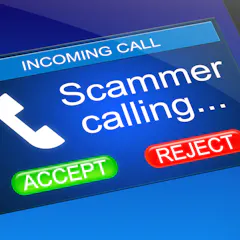
Tax agencies often report details of common tax scams in the run-up to filing deadlines such as January 31.

When a fake charity is uncovered, headlines abound with details of the fraud, while donors are eager to make sure they weren’t one of the victims of the scheme.

As criminals become more indiscriminate, anyone can fall for a scam – even you. But there are ways to stay vigilant and seek help.

A new analysis of this type of fraud shows it’s a growing problem that almost half of Americans consider an ‘acceptable’ crime.
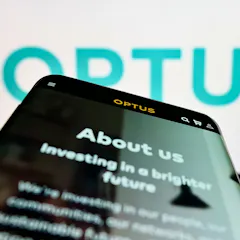
If you’ve been affected by the Optus data breach, the danger is far from over – no matter what the purported hacker is claiming.

What is ‘structured water’ (aka hexagonal water, EZ water, or H3O2)? You might see people advertising it, but it’s not a real thing.

Scam techniques that rely on human nature are increasingly being executed via technology. Here are five that recorded big increases in 2021.

From initial coin offerings that are totally fake to fraudsters demanding payments in crypto, scams involving cryptocurrencies are on the rise. Two experts explain why – and how to protect yourself.

It’s true that phones aren’t as prone to viruses as computers – but they’re still far from immune.

A combination of volume, technology and financial need has opened the door to sleazy and dangerous advertisements on reputable websites.

Older Americans are often taught to be fearful of hackers and scammers in their midst while also being told to investigate potential threats. Better advice is to not engage.

While the ACCC failed in a similar case against Google in 2013, there are some key details in this one which could give it more leverage.

Despite the belief that people are deeply skeptical of strangers, study after study shows that humans are primed to trust one another.

Although it’s estimated illicit activity amounts to less than 1% of all cryptocurrency transactions, figures of losses are still staggering – and on the rise.

A cybersecurity research group has been tracking a significant rise in the number of stolen checks being sold on sites like WhatsApp and Telegram, which often results in stolen identities.
Top contributors
-

Associate Dean (Learning & Teaching) Faculty of Creative Industries, Education and Social Justice, Queensland University of Technology
-
Professor of Cyber Security Practice, Edith Cowan University
-
Associate Professor in Cyber Security, Adelaide University
-
Professor of Security and Fraud, University of Portsmouth
-
PhD Candidate in Technology Facilitated Modern Slavery, Ca' Foscari University of Venice
-
Host, The Conversation Weekly Podcast, The Conversation
-
Professor of Psychology, Scripps College
-
Lecturer, Chinese Studies, The University of Melbourne
-
Honorary Senior Fellow, The University of Melbourne
-
Vice Chancellor's Fellow in Digital Innovation and Wellbeing, University of Bristol
-
Criminologist (Cybercrime), University of Surrey
-
Professor, Research Centre for Business in Society, Coventry University
-
Professor of Law (consumer protections and credit law), The University of Melbourne
-
Research Fellow, Deakin Cyber Research and Innovation Centre, Deakin University
-
Associate Professor of Information Systems, Curtin University