
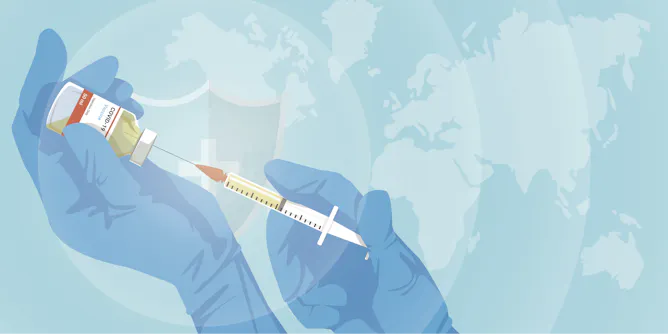
There’s a targeted subunit protein vaccine, an mRNA vaccine, and a needle-free DNA vaccine. Here’s what that all means.
Articles on SARS-CoV-2
Displaying 361 - 380 of 605 articles
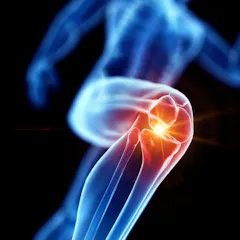
The SARS-CoV-2 virus usually infects the body via the ACE2 protein. But there is another entry point that allows the virus to infect the nervous system and block pain perception.
Some insights into previous outbreaks of human coronaviruses may be useful in explaining the comparatively ‘low’ numbers of COVID-19 infections and mortality in people with HIV in South Africa.
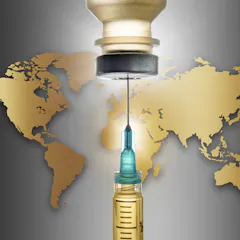
Governments must embrace policies that promote sharing and collective invention to create and distribute a vaccine quickly.

A preliminary study published online this week estimates Australia had 60,000 undiagnosed COVID-19 infections by July. But there are a range of limitations to the study.
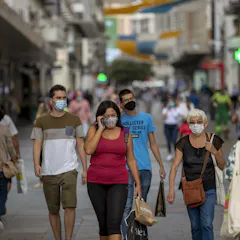
Wearing face masks may allow a tiny number of viral particles to slip through, possibly allowing our body to gain some sort of immunity.
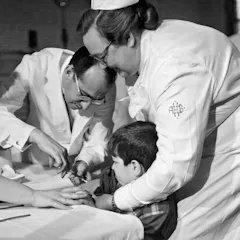
A tragic error showed how complicated it can be to distribute vaccines on a mass scale.
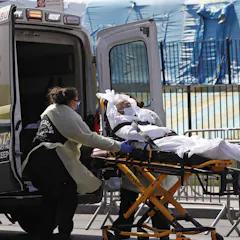
Using random testing, researchers in Indiana were able to calculate death rates by age, race, and sex and found sharp increases in risk of death among older and non-white state residents.

UV disinfection is a proven means of killing pathogens like the SARS-CoV-2 virus, but it’s not risk-free.

Lessons from history make clear that the federal government can spur medical innovation in a crisis, including this pandemic. Providing certainty and clarity is critical.
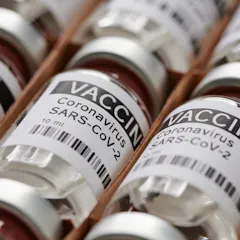
The Australian government is working with two major pharmaceutical companies to facilitate the local production and supply of two different COVID-19 vaccines – if they’re proven to be effective.
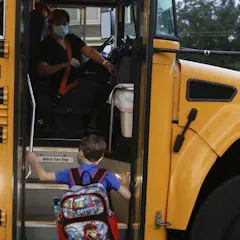
A researcher explains what it will take to make sure children are reasonably safe from catching the coronavirus aboard school buses.

Precision medicine is often touted as the future of medicine. But so far, it hasn’t been helpful in the war against COVID-19. Here is how it could be used to tease apart the nuances of the disease.
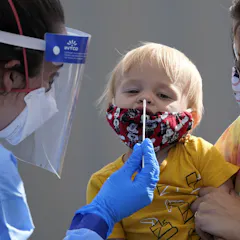
The new BinaxNOW antigen test is quick, easy, accurate and cheap. It could solve the US testing problem, but the emergency use authorization only allows people with COVID-19 symptoms to get tested.

We have to balance the risk of transmission with the mental health challenges of lockdowns. A bubble system could alleviate loneliness while minimising infection risk.

Sewage surveillance is one technique that can alert authorities to the presence of a pathogen in the community. An environmental engineer explains the state of the science when it comes to SARS-CoV-2.

Could a commonly used mosquito repellent kill off coronavirus? Preliminary studies in the UK are encouraging — but that doesn’t mean you should reach for repellents to protect against COVID-19.
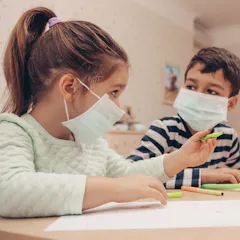
The World Health Organisation now recommends children aged 12 years and older wear masks and that masks should be considered for those aged 6-11 years.
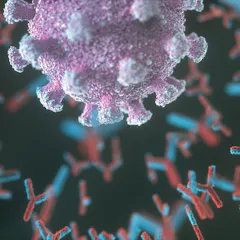
If antibody levels drop dramatically after an infection, what does that mean for immunity? An expert explains how B and T cells contribute to immunity and why antibodies don’t tell the full story.
Reports describe a Hong Kong man who was reinfected with the coronavirus after returning from Europe. Does that mean he wasn’t immune after the first infection?
Top contributors
-

Professor of Medicine, University of Virginia
-
Associate Professor, Epidemiology, Deakin University
-
Research associate, Warren Alpert Medical School, Brown University, Brown University
-
Associate Professor and Research Leader in Virology and Infectious Disease, Griffith University
-
Vice-Chancellor's Research Fellow, School of Health and Biomedical Sciences, RMIT University
-
Professor of Global Biosecurity, NHMRC L3 Research Fellow, Head, Biosecurity Program, Kirby Institute, UNSW
-
Dean Faculty of Health Sciences and Professor of Vaccinology at University of the Witwatersrand; and Director of the SAMRC Vaccines and Infectious Diseases Analytics Research Unit, University of the Witwatersrand
-
Instructor of Human Immunology, Emory University
-
Professor Emerita, Nursing, School of Nursing and Midwifery, Griffith University
-
Professor of Pathology, Microbiology and Immunology, University of South Carolina
-
Professor of Pathology, Microbiology and Immunology, University of South Carolina
-
Scientific Officer in Biomedical Sciences, University of Leeds
-
Postdoctoral Fellow in Virology and Immunology, University of Colorado Boulder
-
Professor of Molecular, Cellular and Developmental Biology, University of Colorado Boulder
-
Lecturer in Virology, Queen's University Belfast