
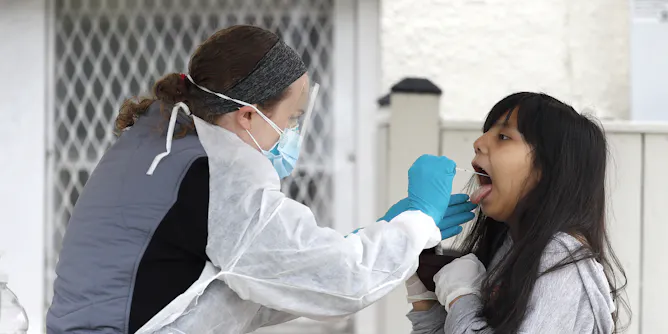
In September, production of rapid tests really ramped up in the US. But due to low accuracy and massive numbers needed, these tests alone are unlikely to have much of an effect on the pandemic.
Articles on SARS-CoV-2
Displaying 321 - 340 of 605 articles
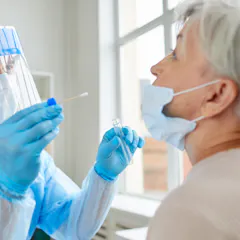
It’s not only shedding and reinfection which are different — there are actually two types of viral shedding.
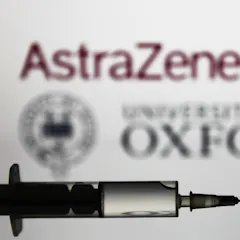
There is now a third vaccine that prevents COVID-19 infections. It isn’t quite as effective as the other two vaccines but it has advantages that may make it the frontrunner.
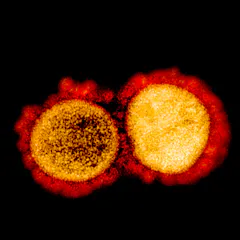
The SARS-CoV-2 virus at the origin of the Covid-19 pandemic is one ten-thousandth of a millimeter in diameter. How can such a microscopic organism have such an immense impact on global health?
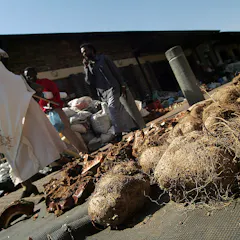
Currently there is no specific antiviral drug to treat COVID-19 and no vaccine to prevent it. Most treatment strategies focus on symptomatic management and supportive therapy.
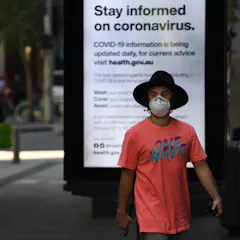
Face masks work well to stop the spread of diseases like coronavirus in the lab, but in the real world they seem to be less effective.

Being indoors with other people is a recipe for spreading the coronavirus. But removing airborne particles through proper ventilation and air filtration can reduce some of that risk.
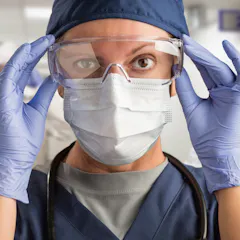
The COVID-19 pandemic has shined a spotlight on another US medical emergency: a serious shortage of nurses.
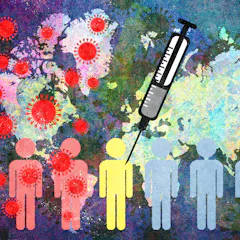
Because Pfizer-BioNTech and Moderna vaccines have been developed in record time, many wonder whether companies cut corners or compromised safety.

Detection of a virus in wastewater implies the presence of infected people in a community. It’s not quite so simple though.
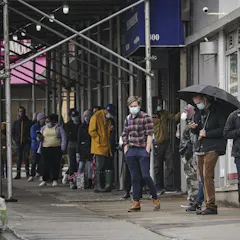
COVID-19 cases are skyrocketing across the US. Testing has ramped up over the past few months, but increasing hospitalizations, deaths and test-positivity rates show that the virus is out of control.
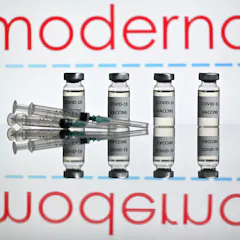
There are two new COVID-19 vaccines that appear to be more than 90% effective. But what are these vaccines, and how are they different from those used previously?

As viruses are transmitted from person to person they are constantly mutating and replicating. Could the SARS-CoV-2 virus evolve to evade the new vaccines that have just been developed?
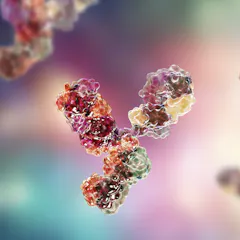
Monoclonal antibodies are synthetic molecules manufactured in the lab. But do we need them if a vaccine is on its way?
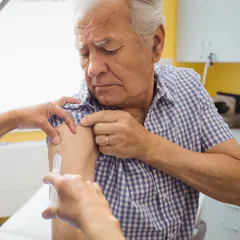
Distributing a vaccine is a bit like boarding a plane — we can’t all board at the same time. So who gets priority? There are a few reasons we should consider vaccinating older people first.
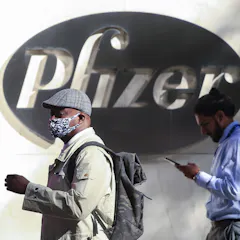
With COVID-19 cases soaring across the US and worldwide, the need for a vaccine could not be greater. Here’s where we stand on vaccine development, including positive results from Pfizer’s trial.
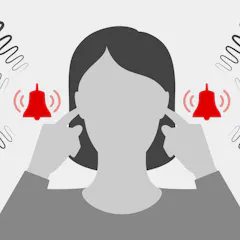
Higher levels of stress was just one of the reasons the hearing problem may have worsened for many people.
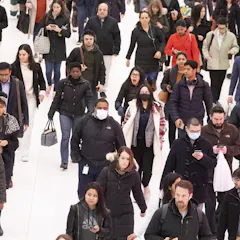
Some have suggested the US allow healthy people to return to normal life, catch the coronavirus and get the population to herd immunity. The science says this plan is doomed to fail from the start.

As the coronavirus pandemic continues, and the colder weather approaches, new mathematical models are needed to study changing social behaviours and indoor spaces.
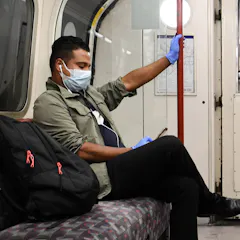
Novel plastics can rid themselves of germs using only air and light.
Top contributors
-

Professor of Medicine, University of Virginia
-
Associate Professor, Epidemiology, Deakin University
-
Research associate, Warren Alpert Medical School, Brown University, Brown University
-
Associate Professor and Research Leader in Virology and Infectious Disease, Griffith University
-
Vice-Chancellor's Research Fellow, School of Health and Biomedical Sciences, RMIT University
-
Professor of Global Biosecurity, NHMRC L3 Research Fellow, Head, Biosecurity Program, Kirby Institute, UNSW
-
Dean Faculty of Health Sciences and Professor of Vaccinology at University of the Witwatersrand; and Director of the SAMRC Vaccines and Infectious Diseases Analytics Research Unit, University of the Witwatersrand
-
Instructor of Human Immunology, Emory University
-
Professor Emerita, Nursing, School of Nursing and Midwifery, Griffith University
-
Professor of Pathology, Microbiology and Immunology, University of South Carolina
-
Professor of Pathology, Microbiology and Immunology, University of South Carolina
-
Scientific Officer in Biomedical Sciences, University of Leeds
-
Postdoctoral Fellow in Virology and Immunology, University of Colorado Boulder
-
Professor of Molecular, Cellular and Developmental Biology, University of Colorado Boulder
-
Lecturer in Virology, Queen's University Belfast