

Technology that can identify stray bits of genetic material in the environment can help scientists monitor human and animal health.
Articles on SARS-CoV-2
Displaying 261 - 280 of 605 articles
A deep clean involves cleaning objects or surfaces that may not be routinely cleaned, such as walls, ventilation ducts, curtains, carpets, and hard-to-reach places.
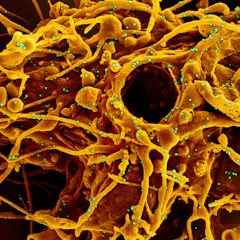
Variants of the original SARS-CoV-2 are now in wide circulation. That means the third wave of COVID-19 has come with new questions about the variants, their effects and what might come next.
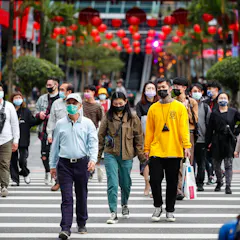
There were two main ingredients to Taiwan’s COVID victory, researchers have found.
COVID-19 variants of concern have changed the game. We need to recognise and act on this to avoid future waves of infections, yet more lockdowns and restrictions, and avoidable illness and death.
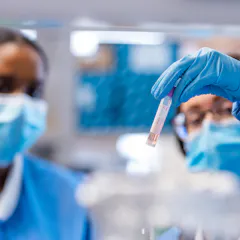
The US lags in testing coronavirus samples from COVID-19 patients, which can help track the spread of the virus and the emergence of new variants. But labs are ramping up this crucial surveillance.
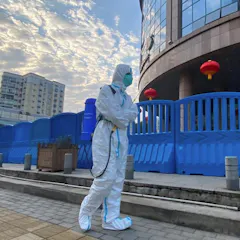
We need to re-analyse data from China and look further afield if we are to have a more complete picture of what happened in 2019. Just keep the politics out of it.
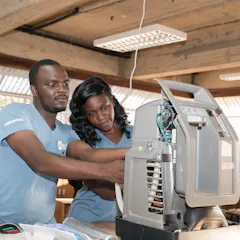
Engineering students in Malawi and Tanzania have used the materials and tools available to them to build ventilators, personal protective equipment and UV disinfection systems.

If you’ve already had the coronavirus and recovered, you might be tempted to give the vaccine a pass. A scientist explains why the shot offers the best protection against future infection.

An out-of-control COVID epidemic in PNG would be a humanitarian and economic disaster for the nation itself, and a grave threat to the region.
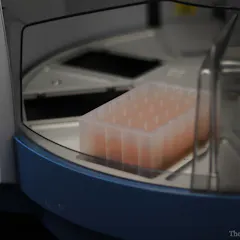
A community’s wastewater can predict coronavirus cases that haven’t yet been diagnosed. The quicker that information is known, the better.

The coronavirus pandemic has driven a lot of scientific progress in the past year. But just as some of the social changes are likely here to stay, so are some medical innovations.
SARS-CoV-2 is much like a zombie virus. It interferes with normal sickness behavior and blocks pain, turning its victims into unsick spreaders of the virus.

The US was not ready for the coronavirus pandemic in 2020. What can public health leaders and policymakers do to make sure we don’t face another winter of rampant disease?
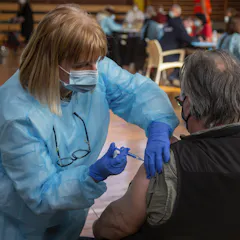
You’ve been vaccinated; can you now safely see your friends and family? New research hints that vaccinated people may be less likely to transmit the coronavirus, but they are not 100% in the clear.
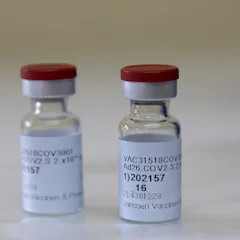
The Johnson & Johnson vaccine is different from the Moderna and Pfizer vaccines in a few important ways that could make it a huge help to global vaccination efforts.

Much has been said of the politics surrounding the mission to investigate the viral origins of COVID-19. So it’s easy to forget that behind these investigations are real people.

With the vaccines now being administered at sites around the US, it is important to address misinformation surrounding the effort.

‘Long COVID’ – in which people have symptoms lasting more than a few weeks – is turning out to be very common. People hospitalized for COVID-19 are at highest risk, but they aren’t alone.
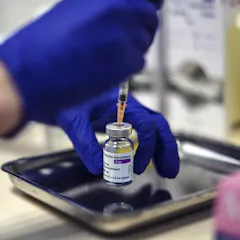
The Oxford/AstraZeneca vaccine is the second COVID shot to be approved in Australia, and it’s likely Australians will start receiving it next month.
Top contributors
-

Professor of Medicine, University of Virginia
-
Associate Professor, Epidemiology, Deakin University
-
Research associate, Warren Alpert Medical School, Brown University, Brown University
-
Associate Professor and Research Leader in Virology and Infectious Disease, Griffith University
-
Vice-Chancellor's Research Fellow, School of Health and Biomedical Sciences, RMIT University
-
Professor of Global Biosecurity, NHMRC L3 Research Fellow, Head, Biosecurity Program, Kirby Institute, UNSW
-
Dean Faculty of Health Sciences and Professor of Vaccinology at University of the Witwatersrand; and Director of the SAMRC Vaccines and Infectious Diseases Analytics Research Unit, University of the Witwatersrand
-
Instructor of Human Immunology, Emory University
-
Professor Emerita, Nursing, School of Nursing and Midwifery, Griffith University
-
Professor of Pathology, Microbiology and Immunology, University of South Carolina
-
Professor of Pathology, Microbiology and Immunology, University of South Carolina
-
Scientific Officer in Biomedical Sciences, University of Leeds
-
Postdoctoral Fellow in Virology and Immunology, University of Colorado Boulder
-
Professor of Molecular, Cellular and Developmental Biology, University of Colorado Boulder
-
Lecturer in Virology, Queen's University Belfast