
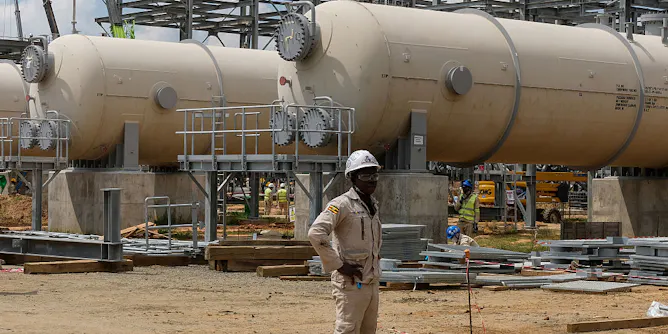
Rivalry has not disappeared from east Africa. It has simply been repackaged as competing ‘regional’ projects.
Articles on Samia Suluhu Hassan
Displaying 1 - 20 of 29 articles
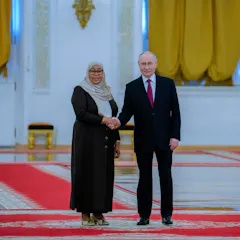
The Tanzanian case shows that foreign policy can also be a way of managing domestic coalitions.

Rallies hold great significance in Tanzania and are central to everyday political communication.
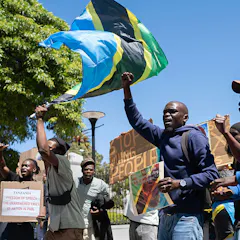
Tanzania’s October 29 protests were framed as an electoral dispute. Research links them to a deeper crisis of blocked adulthood among young people.
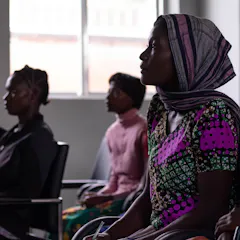
Having a woman president has not translated into improved women’s representation.
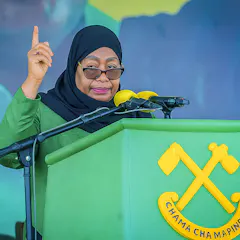
The regime once seemed untouchable. Now anything feels possible.
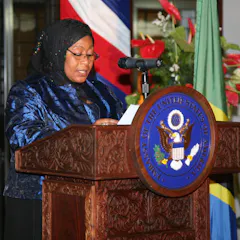
President Samia Hassan is relying on repressive tactics to eliminate her most significant competitors from the 2025 presidential race.
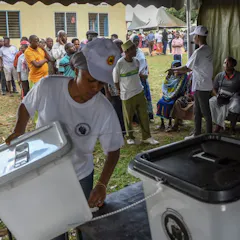
The 2025 election will primarily serve to legitimise President Samia Suluhu’s new mandate.
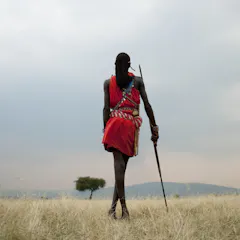
Tanzania is using conservation as a pretext for land grabs and human rights violations.

Tundu Lissu’s persistence in tackling democratic backsliding in Tanzania has made him a formidable force.
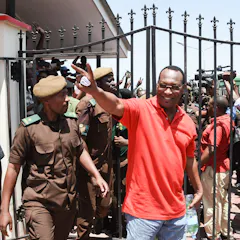
Chadema has grown into a dominant opposition party with formidable strength, making it a target of the government.
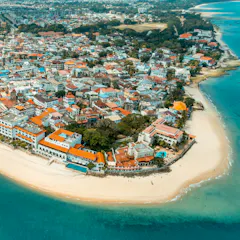
Many Tanzanians agree that the union between Tanganyika and Zanzibar should be reformed to reflect contemporary realities.
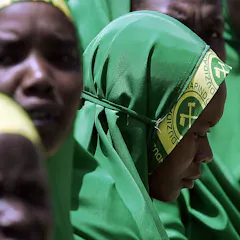
CCM and Chadema’s commitments to gender equity start and end with the establishment in each party of a women’s wing.
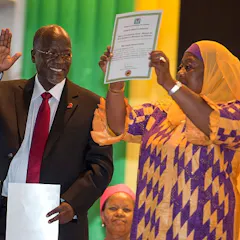
Political reforms and Magufuli loyalists within Tanzania’s ruling party could shape Samia Suluhu Hassan’s candidature for the 2025 elections.
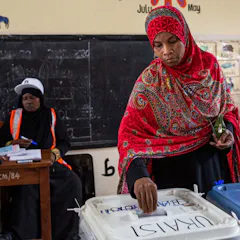
Electoral reforms are urgent for Tanzania because local elections are scheduled for December 2024.

Current reforms in Tanzania lack popular participation and legal safeguards.
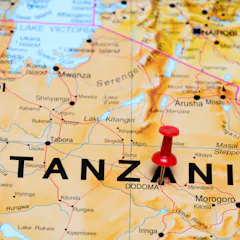
Dodoma will need to address social issues such as increased accommodation and recreational facilities as population grows

Tanzania’s six-year ban on political rallies shows how the president’s power can override the constitution.
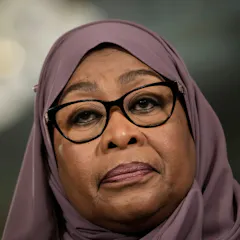
The Tanzanian president’s reform drive has endeared her to the populace but will also embolden opposition to her political ambitions.
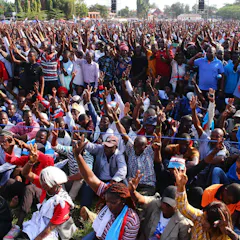
After years of censorship, opposition parties have to – all at once – rejoin public debates, reorganise and remotivate demoralised supporters.
Top contributors
-

Researcher, United States International University
-
Lecturer, Tumaini University Makumira
-
Assistant professor, University of Sussex
-
Senior Lecturer in Politics and International Relations, University of East London
-
Lecturer, Faculty of Law, The Open University of Tanzania
-
Postdoctoral researcher, Institute for Society and Globalisation, Roskilde University
-
PhD Candidate- Anthropology and Sociology, Graduate Institute – Institut de hautes études internationales et du développement (IHEID)
-
Lecturer in Environment and Development, University of Manchester
-
Associate Professor, Khalifa University
-
Lecturer (Freiburg) & Research Fellow (Stellenbosch), University of Freiburg
-
Senior Researcher, Institute of Political Science, University of Duisburg-Essen
-
Junior Research Fellow in Politics, University of Oxford
-
Professor of Public Administration , University of Dodoma