
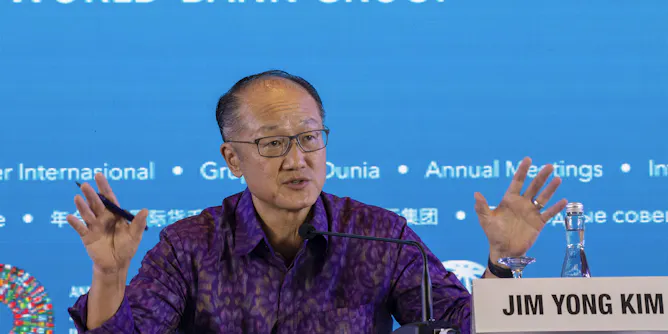
The power dynamics in the World Bank have changed dramatically.
Articles on Rwanda
Displaying 221 - 240 of 321 articles
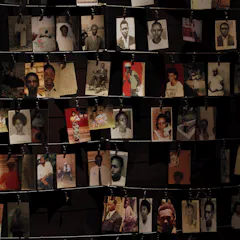
Despite the adoption of the Convention on the Prevention and Punishment of the Crime of Genocide of 1948, signatories have never made an effort to end mass killings.

Many health professionals leave Africa because they don’t know how to handle the non-clinical systemic problems.

There are many reasons to be careful when there’s a big storm. But there are also ways you can protect yourself to avoid lightning.
The gaps in African government are twofold: governance and education. It is important to focus on both areas to bring about overall improvements.

African countries’ adoption of e-government platforms hasn’t served the majority of their citizens.
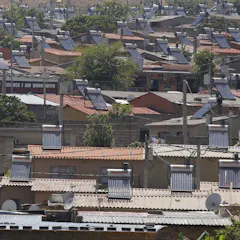
The value of green technologies and systems is that they are largely decentralised or semi-decentralised.
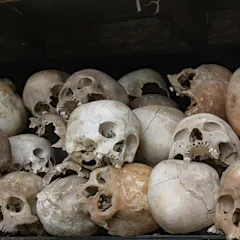
For Nobel laureate and Holocaust survivor, Elie Wiesel, ‘never again’ was ‘a prayer, a promise, a vow’. Unfortunately, this vow is all too often broken.

Medium-scale farms are an important driver of agricultural and rural transformation in much of Africa.

Male gorillas who spend more time with infants are expected to sire about 5 times more babies.
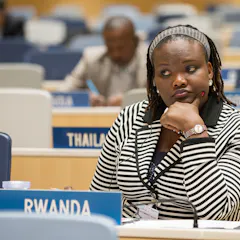
Women identify more with their government representatives based on ethnicity rather than gender.
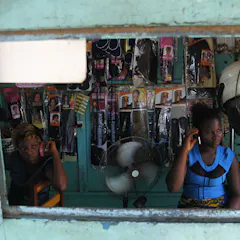
We don’t have the data in developing countries, and in global statistics to know if the digital divide is being closed.

The BBC drama about Rwanda tackles post-genocide events in a way few dramas or documentaries have done before.

Political and editorial cartoons are a key indicator of the democratic health of a country - but they can also be regressive.
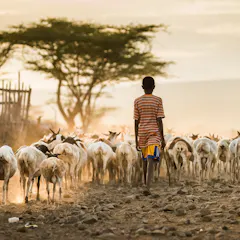
Outbreaks of zoonotic diseases call for a collaborative approach to surveillance.
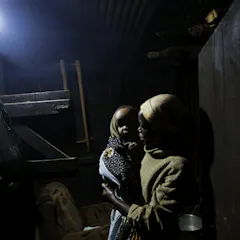
A lighting revolution is underway across Africa that’s occurred largely without government or donor involvement.
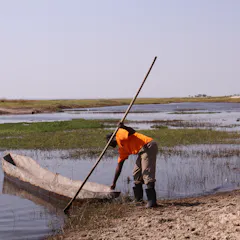
African countries need to urgently develop coherent and strategic policies around water, land and agriculture.
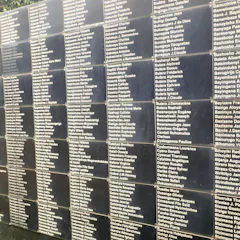
The Rwanda Tribunal convicted people for indescribably horrific crimes and some are asking for early release.
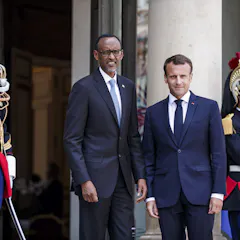
After the 1994 genocide, Rwanda pivoted towards the Anglophone world. But not entirely.
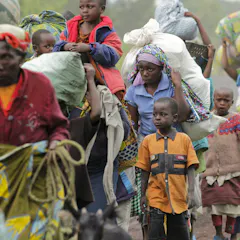
The free movement of people between African countries could facilitate economic development.
Top contributors
-

Postdoctoral Research Associate, King's College London
-
Associate Professor of International Studies, University of Nottingham
-
Vice Chancellor, University of Global Health Equity
-
Lecturer in Political Science, Binghamton University, State University of New York
-
Senior Researcher at the Feinstein International Center, Tufts University, and Research Associate at the Refugee Studies Centre, University of Oxford
-
Visiting Researcher, University of Leeds
-
Reader in Politics, Governance and Development, Global Development Institute, University of Manchester
-
Professor in International Development, University of Antwerp
-
Lecturer, UMass Boston
-
Honorary Professor of International Relations, University of the Witwatersrand
-
Professor of International Politics, SOAS, University of London
-
Associate Professor, University of Antwerp
-
Postdoctoral fellow, Johns Hopkins University
-
Professeur des universités, Université Paris 1 Panthéon-Sorbonne
-
Research Affiliate, University of Pretoria