
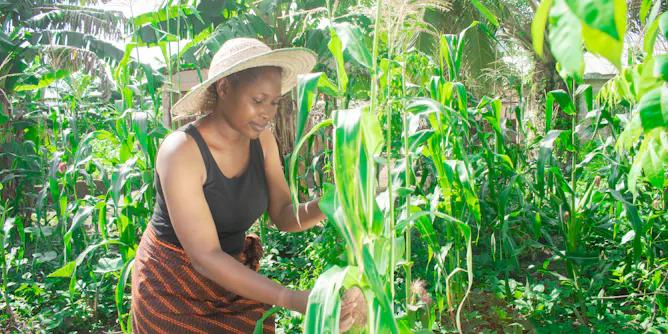
Africa is far from having an ageing farming population. What is missing is a critical mass of skilled, young farmers with access to finance who could drive productivity in farming.
Articles on Rwanda
Displaying 181 - 200 of 321 articles
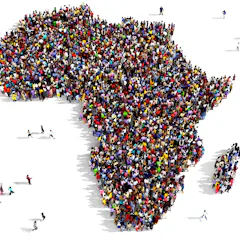
The gap between the continent’s most democratic and authoritarian regions is likely to continue to grow.
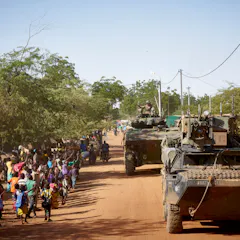
More than 20 years after the shift from unilateralism to multilateralism, it is reasonable to wonder how multilateral France’s ‘new interventionism’ really is.

Such a large accumulation of methane in a lake is unique, and has never been reached in any other lakes.

Pooled testing is most efficient when applied in settings of low virus prevalence.

The court’s decision has wider implications for international criminal law.
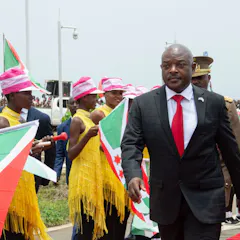
History will judge Nkurunziza as a man who brought unnecessary pain to a nation that had long suffered from political misrule.

A number of programmes now exist that are helping to close the gender gap in African science, technology, engineering and maths.
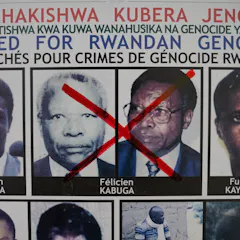
Though genocide survivors would ideally want Kabuga to be prosecuted in Rwanda, it won’t be possible, for legal or political reasons.

Coronavirus-related restrictions are likely to slow but not stop the coffee business in Rwanda, which produces specialty beans sold worldwide.
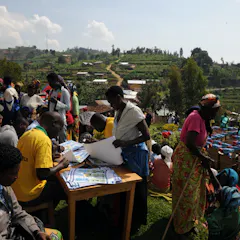
The Tubeho Neza programme has showed that it is possible to provide interventions against major diseases to vulnerable households.
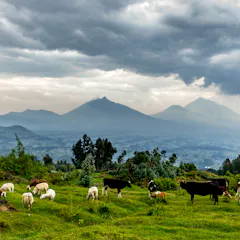
The interdependency between humans, animals and the environment is becoming more pronounced. This calls for an interdisciplinary approach to health problems.
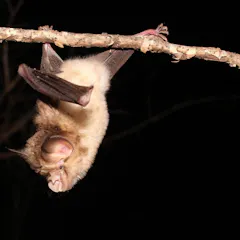
Understanding the many factors that may play a role in spillover of pathogens from bats to humans requires systematic surveillance of bat populations.
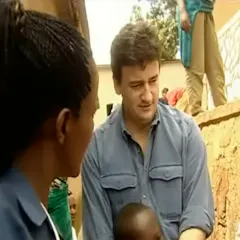
Keane is stepping back from his role as the BBC’s Africa editor due to a long struggle with PTSD after years reporting from conflict zones.

CC BY-NC-ND4.05 MB (download)
Rwanda has developed a strong, decentralised health system and addressed many of the major financial and geographic barriers people faced.

Kenya, Rwanda, and Uganda are at the forefront of the war against cyber criminals.
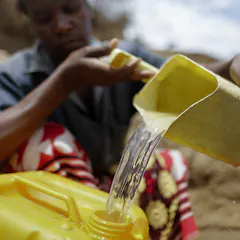
Drought-driven humanitarian emergencies can be prevented if groundwater is reliably made available at strategic locations.

Rwanda’s government has taken concerted, deliberate steps over the past 25 years to build a strong health system.

Kenya announced plans in 2017 for a long-term action plan to end the institutionalisation of children.
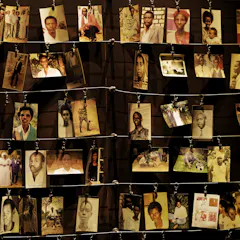
Learning from what actually worked during the United Nations’ infamously ineffective 1994 peacekeeping mission in Rwanda may save lives in the future.
Top contributors
-

Postdoctoral Research Associate, King's College London
-
Associate Professor of International Studies, University of Nottingham
-
Vice Chancellor, University of Global Health Equity
-
Lecturer in Political Science, Binghamton University, State University of New York
-
Senior Researcher at the Feinstein International Center, Tufts University, and Research Associate at the Refugee Studies Centre, University of Oxford
-
Visiting Researcher, University of Leeds
-
Reader in Politics, Governance and Development, Global Development Institute, University of Manchester
-
Professor in International Development, University of Antwerp
-
Lecturer, UMass Boston
-
Honorary Professor of International Relations, University of the Witwatersrand
-
Professor of International Politics, SOAS, University of London
-
Associate Professor, University of Antwerp
-
Postdoctoral fellow, Johns Hopkins University
-
Professeur des universités, Université Paris 1 Panthéon-Sorbonne
-
Research Affiliate, University of Pretoria