
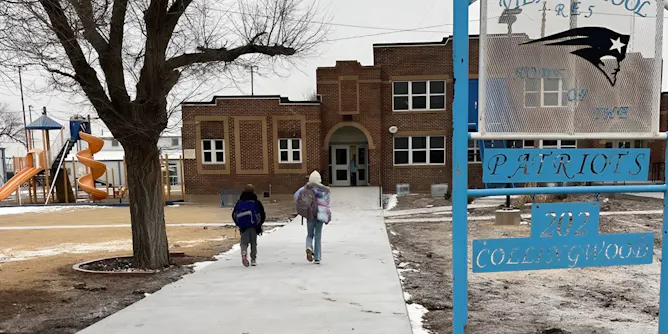
Rural school leaders are most concerned about recruiting and retaining teachers.
Articles on Rural education
Displaying all articles

A child protection law is failing the learners it was designed to safeguard.

These myths overlook the strengths and opportunities for students who attend rural schools.
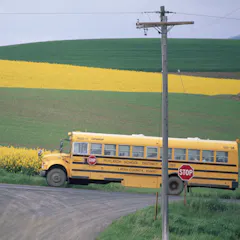
Floods, hurricanes, fires and pandemics are hard for any school district to deal with. But in rural districts the struggle to recover is even harder.

Making physics more engaging means meeting students where they are, highlighting the ways in which it plays a role in their communities.

While the COVID-19 pandemic spurred significant progress in expanding rural home internet access, these gains are proving temporary as resources dwindle.
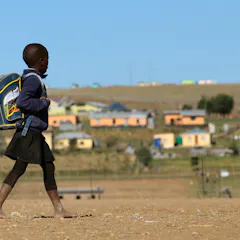
Rural school leaders must develop resilience in their pursuit for learners’ success.
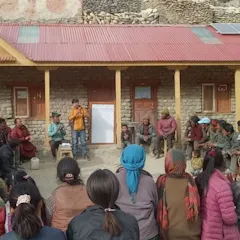
During the COVID-19 crisis, some medical students at school in Pokhara, Nepal, went to rural Himalayan villages to teach about the virus. Others go home to challenge social inequities.

Big cities are seen as the centre of everything, which creates an attitude that often devalues the work and skills of rural professionals. And sometimes even they subconsciously buy into this.
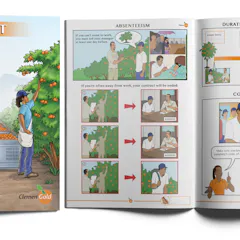
Comic contracts can meet all the requirements for contracts to be legally binding.
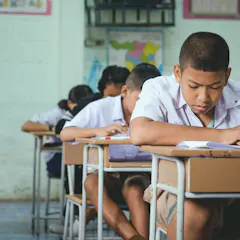
There is no need for all students to sit the same test, that asks the same questions, on the same day. We are smarter than that.

A government review of regional, rural and remote education tells us we need to recognise the uniqueness of and understand successes in these communities to improve outcomes for these students.
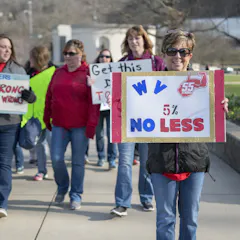
The recent strike by teachers in West Virginia demonstrates larger issues with pay disparities for rural teachers.
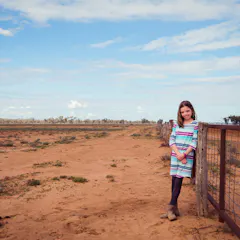
If we fail to recognise that standardised tests are metro-centric, we will continue to produce disadvantage for rural students.

“Flipped classrooms” aren’t yet common around Africa, but a partial flip that marries technology and collaboration has real potential.
Staffing rural schools has been an issue in Australia for at least 113 years. We need a fresh approach to tackle this persistent problem.
Nationwide, 16 percent of charter schools are rural. Yet, somehow these key players are often overlooked.
Top contributors
-

Professor (Curriculum Inquiry / Rural Education), University of Canberra
-
Associate Professor of Curriculum and Instruction, Penn State
-
Associate Professor, University of the Free State
-
Associate Professor of Commercial Law, University of Cape Town
-
Assistant Professor of Higher Education, West Virginia University
-
PhD, Geography and Social Planning, University of Toronto
-
Associate professor, University of Johannesburg
-
Professor (Communication), Deakin University
-
Associate Professor and Director, Centre for Rural Emergency Medicine, Deakin University
-
Research Fellow in Media and Information, Michigan State University
-
Professor of Practice, School of Education, UNSW
-
Professor of Media and Information and Interim Director of the Quello Center, Michigan State University
-
Professor, Melbourne Graduate School of Education, The University of Melbourne
-
Assistant Professor of Physics & Science Education, Michigan State University
-
Copy Editor