
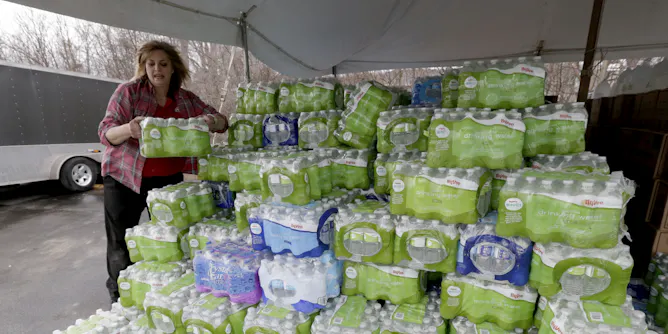
A grade of 92 is an A at most schools, but for tap water it means that millions of Americans drink water that fails to met federal standards.
Articles on Rural America
Displaying 41 - 60 of 65 articles
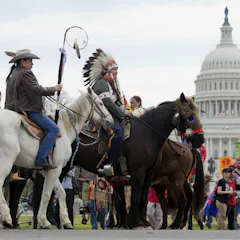
By appealing to the hearts and minds of their white neighbors, Native Americans are carving out common ground. Together, these different groups are building unity through diversity.
Since the Great Recession, most of the nation’s rural counties have struggled to recover lost jobs and retain their people.
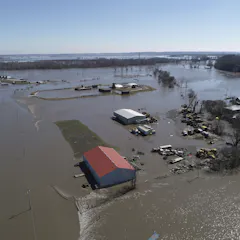
A climatologist who studies precipitation trends explains how climate change is projected to make flooding events in the Midwest more severe and more frequent.
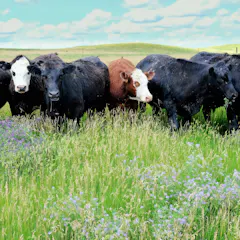
US agriculture is dominated by large farms that rely on chemical inputs. In contrast, regenerative farming makes land and water healthier by mimicking nature instead of trying to control it.
There’s a notable disparity between the rate of employment for people with and without disabilities, especially in certain pockets of the US.

Many Americans view the Amish as living simply and in touch with the land, but their views about the environment are complicated and not always ‘green.’
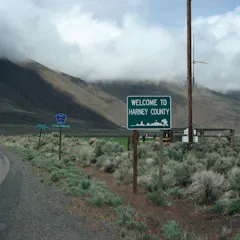
Rural Westerners have been stereotyped as angry ranchers who hate government. But for every gun-wielding militia member, there are many others who work collaboratively to protect what they value.

Today, 8 out of every 10 Americans live in a city or suburb.
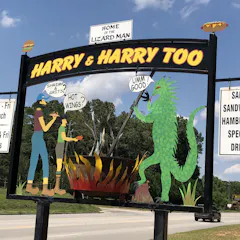
Towns are embracing their eccentric visitors as a way to boost their struggling economies.

Many people who live near large-scale livestock farms complain about noxious smells, air and water pollution and health risks. With little help from regulators, they are turning to lawsuits.

Here’s a challenge for gun control proponents: Watch 100 videos made by gun owners and gun rights advocates. One scholar watched these videos over five years and something surprising happened to her.
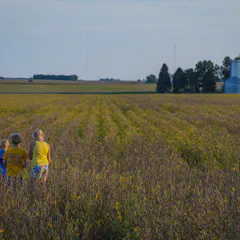
Congress is drafting the 2018 farm bill, which will guide agriculture, nutrition, trade and rural development policy. A former agriculture secretary explains how this bill reaches far beyond farms.
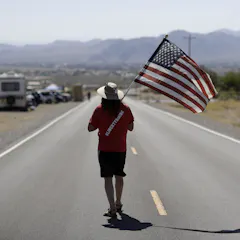
As with our politics today, geography and race matter in the US criminal justice system. Should they?
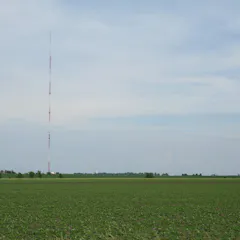
Federal rules governing television stations were meant to keep them connected to the communities they serve. The Trump administration wants to weaken those rules, and those civic links.
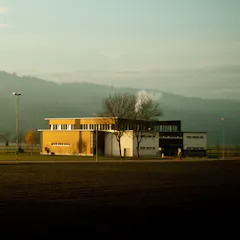
Nationwide, 16 percent of charter schools are rural. Yet, somehow these key players are often overlooked.
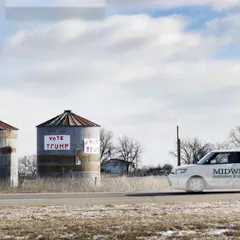
A recent study from the Tisch College of Civil Life at Tufts looks at millennials’ civic engagement – and finds some cause for concern in rural, suburban and urban areas.
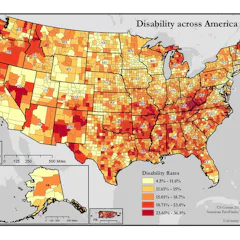
More and more people are talking about the ‘rural-urban divide,’ but what does that phrase actually mean? We asked experts from around the country to illustrate the gap in graphs and maps.
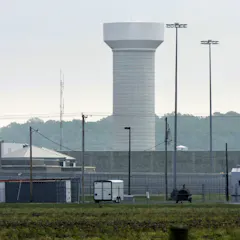
The number of prisons in the US swelled between 1970 and 2000, from 511 to nearly 1,663. Here’s the story of why one town in Arkansas welcomed a correction facility.
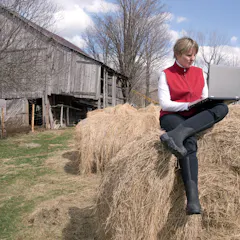
Giving rural residents the option of using broadband access isn’t enough to boost their community involvement. To really improve civic engagement, rural dwellers need to use the internet.
Top contributors
-

Executive Director, Swette Center for Sustainable Food Systems, Arizona State University
-
Professor and Neustadt Chair, Department of Agricultural Economics, Oklahoma State University
-
Professor of Economics, Colorado State University
-
Director of the Southern Rural Development Center & Professor of Agricultural Economics, Mississippi State University
-
Professor of Natural Resource Ecology and Management; Co-director of the Bioeconomy Institute; Director C-CHANGE, Iowa State University
-
Assistant Professor of History, University of Oregon
-
Project Director, RTC: Rural, University of Montana
-
Economic Development Specialist, University of Wisconsin-Madison
-
Associate Professor of Religious Studies, Texas State University
-
Associate Professor of Curriculum and Instruction, Penn State
-
Professor of Environmental Science & Policy, University of North Dakota
-
Director of the Drake Agricultural Law Center; Assistant Professor of Law, Drake University
-
Professor of Educational Administration, Michigan State University
-
Professor of Anthropology, The College of Wooster
-
Director, Center for Information and Research on Civic Learning and Engagement in the Jonathan M. Tisch College of Civic Life, Tufts University
