
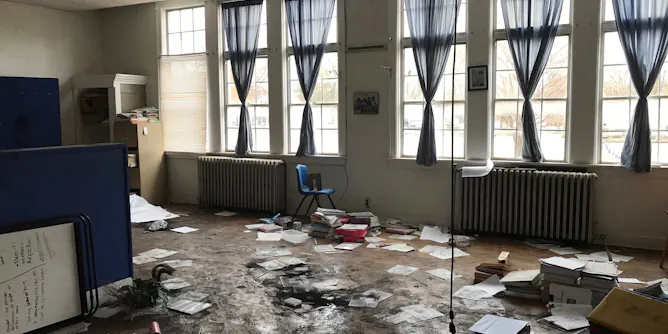
Often schools close out of a belief that taking this step will save money and help students. Whether or not those benefits materialize, there are downsides for the locals.
Articles on Inside Rural America
Displaying all articles
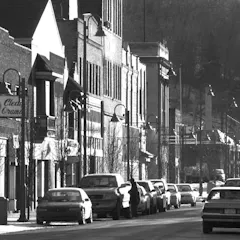
A sociologist spent over a year interviewing black, white and Latino residents of a declining coal town in central Pennsylvania, plumbing the sources of their political disillusionment.

Today, 8 out of every 10 Americans live in a city or suburb.

People in Appalachia are skeptical and cautious around technology – and how they think can be useful and instructive for living in a tech-centric world.
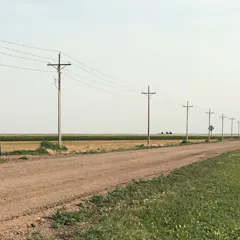
Many people in rural America don’t have access to fast, affordable internet access. How might those communities connect to the global exchange of goods, services and ideas?
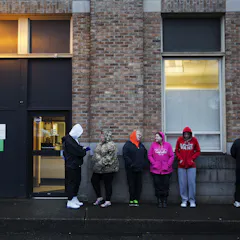
Many who need help with opioid addiction live far from dedicated treatment centers.

As with our politics today, geography and race matter in the US criminal justice system. Should they?
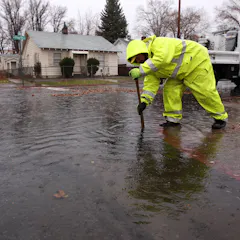
The US wants to invest in more infrastructure to handle our rainfall and melted snow. Stormwater credits could help cut costs and protect the environment.
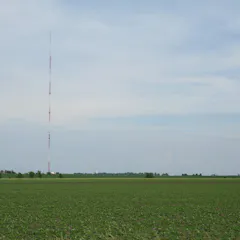
Federal rules governing television stations were meant to keep them connected to the communities they serve. The Trump administration wants to weaken those rules, and those civic links.

The Trump administration’s proposed budget suggests it will continue to spend federal dollars on expanding broadband internet access. But the rules governing internet traffic matter too.

Pittsburgh’s post-industrial economic resurgence is promising, a historian of the region writes, but there’s a reason President Trump highlighted the area in his speech exiting the Paris climate deal.

Nationwide, 16 percent of charter schools are rural. Yet, somehow these key players are often overlooked.
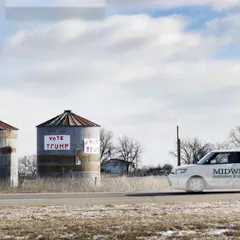
A recent study from the Tisch College of Civil Life at Tufts looks at millennials’ civic engagement – and finds some cause for concern in rural, suburban and urban areas.
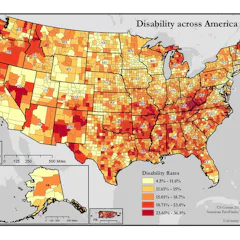
More and more people are talking about the ‘rural-urban divide,’ but what does that phrase actually mean? We asked experts from around the country to illustrate the gap in graphs and maps.
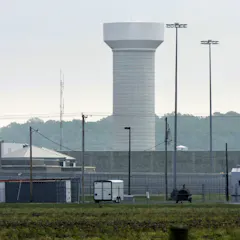
The number of prisons in the US swelled between 1970 and 2000, from 511 to nearly 1,663. Here’s the story of why one town in Arkansas welcomed a correction facility.
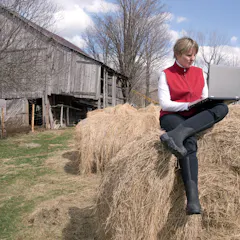
Giving rural residents the option of using broadband access isn’t enough to boost their community involvement. To really improve civic engagement, rural dwellers need to use the internet.
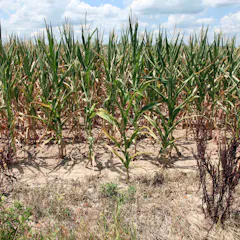
With little action at the national level on climate change, state and city officials are taking the lead – but by emphasizing local benefits.

Nine out of 10 rural places experienced increases in diversity from 1990 to 2010. Data show a more diverse future is guaranteed across all of America, and there’s no going back.

‘Rural America’ is a deceptively simple term for a remarkably diverse collection of places. Understanding – and improving – these parts of the country is critical for all Americans.
Top contributors
-

Director, Center for Information and Research on Civic Learning and Engagement in the Jonathan M. Tisch College of Civic Life, Tufts University
-
Professor of Sustainability, Arizona State University
-
Professor of Environmental Science & Policy, University of North Dakota
-
Professor of Economics, Colorado State University
-
Graduate Student of Landscape Architecture, University of Minnesota
-
Pioneers Chair in Telecommunications & Professor of Telecommunications, Penn State
-
Associate Professor of Public Affairs and Administration, Rutgers University - Newark
-
Professor of Sociology and Senior Demographer, University of New Hampshire
-
Assistant Professor, Rutgers University
-
Assistant Professor of Rural Sociology and Demography, Penn State
-
Associate Professor of History, Shippensburg University
-
Associate Professor of Law, University of South Carolina
-
Associate Professor of Sociology, University of Wisconsin-Madison
-
Distinguished Professor of Sociology and Demography, Penn State
-
Professor of Architecture, Director of the Metropolitan Design Center, and Dayton Hudson Chair in Urban Design, University of Minnesota