
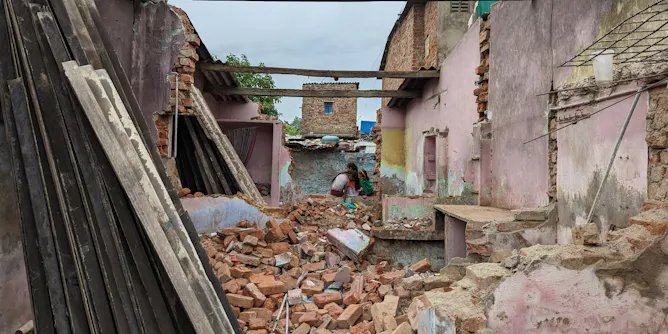
The goal of a ‘slum-free India’ would benefit residents of informal settlements more if the housing being built drew on the features of their old neighbourhoods that made their lives better.
Articles on Right to the city
Displaying all articles
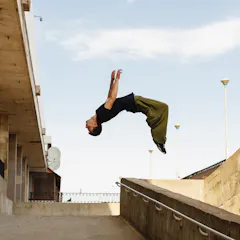
Cities are defined as much by their buildings as what people do in between them. Designing them comes with great responsibility.
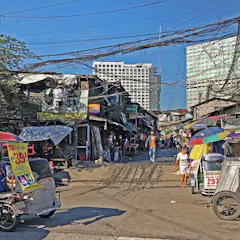
Besides battling the coronavirus pandemic, San Roque residents have long been locked in a bigger struggle for their very survival as a community in the face of home demolitions and relocations.
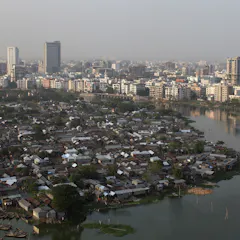
A community of 200,000 in Dhaka faces eviction to make room for “development”. Is it time to rethink the concept, especially with a billion people now living in informal settlements worldwide?
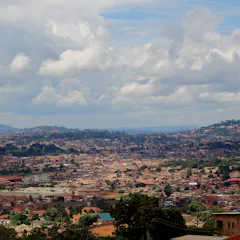
China is funding global infrastructure projects to expand its influence and capacity for economic growth.
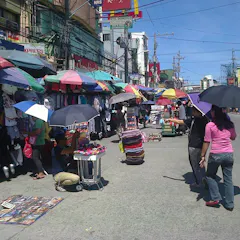
Street vendors are the most visible of the people who work in the informal sector – up to half the urban workforce in cities like Manila – but whose needs and rights receive no official recognition.
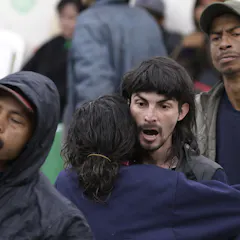
Bogota’s mayor wants to make the city ‘better for all,’ but repeated police crackdowns have displaced thousands of homeless Colombians. Are clean streets really more important than human rights?

The corporate world has taken the lead in promoting various creative/smart city visions, which struggle to be inclusive, let alone entrust citizens with control over their lives.
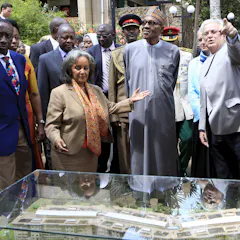
Two years of marathon negotiations have finally yielded agreement in last-minute meetings in New York on the New Urban Agenda to be adopted at the Habitat III summit in Quito in October.
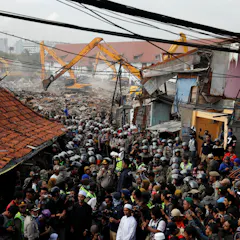
The world’s informal settlements are growing at an unprecedented rate, with about one in four urban dwellers living in slums. We need to rethink how we view and deal with these people and places.
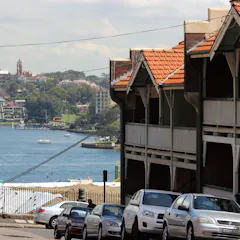
The NSW government agenda would deny the ‘right to the city’, that network of diverse communities, practices and places which give rise to the convivial and inclusive potential of cities.
Top contributors
-

Research Fellow – Informal Urbanism (InfUr-) Hub, The University of Melbourne
-
Associate Professor, Urban & Regional Planning, Sydney School of Architecture, Design and Planning, University of Sydney
-
Professor of Cultural Economy, Adelaide University
-
Associate Professor, School of Government, Universidad de los Andes
-
Professor of Media, School of Media, Film, and Journalism, Monash University
-
Adjunct professor, School of Media and Communications, RMIT University
-
Senior Researcher in Architecture & Urban Design
-
Postdoctoral research fellow, UNSW Art & Design, UNSW
-
Adjunct Research Fellow, The University of Queensland
-
Associate Professor of Urban Planning, The University of Melbourne
-
Professor of Urban Geography, University of Sheffield
-
Assistant Professor of Urban Planning and Community Development, UMass Boston
-
Lecturer of Urban Design and Co-convener, Just URBAN, University of Sheffield
-
Professor of Architecture and Urban Design, The University of Melbourne