

The current outbreak in Senegal is one of many that happen in cycles across Africa in the past 50 years.
Articles on Rift Valley fever
Displaying all articles
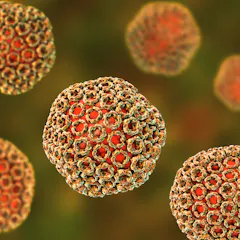
Manufacturing is just one part of the vaccine ecosystem. It’s the health system that delivers vaccines and people must be willing to take them.
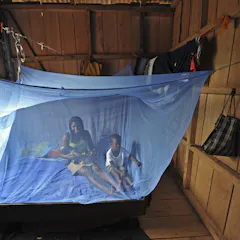
The pandemic coincides with the long rainy season in Kenya. Rain increases mosquito breeding sites, vector density and thus transmission of mosquito-borne diseases.

Emphasizing foreign origins of a disease can have racist connotations and implications for how people understand their own risk of disease.
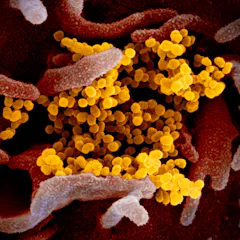
While identifying a new disease by its place of origin seems intuitive, history shows that doing so can have serious consequences for the people that live there.
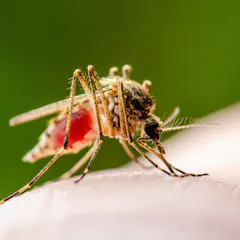
Prolonged rains increase the amount of stagnant water in the environment in which mosquitoes breed. This increases the risk of mosquito-borne diseases.
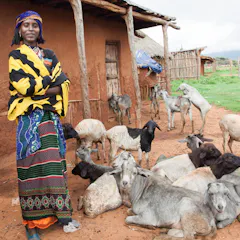
Rift Valley Fever infects millions of humans and livestock in Africa and Arabia. To fight it, scientists are developing a first of its kind vaccine that can be used on humans and animals.
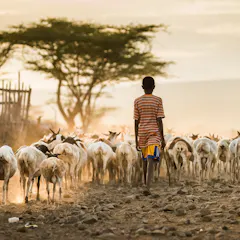
Outbreaks of zoonotic diseases call for a collaborative approach to surveillance.
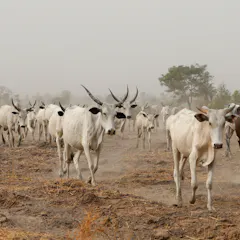
As rain continues to fall in Kenya, national and county governments must put measures in place to prevent a Rift Valley fever outbreak.
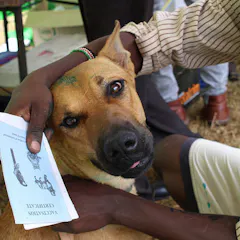
By tackling local threats and controlling existing diseases, countries are able to build the capacity needed to deal with future emerging disease threats.
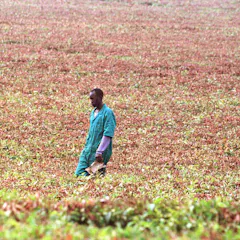
As East Africa becomes warmer, the threat of climate sensitive diseases such as malaria, Rift Valley Fever and cholera is increasing.
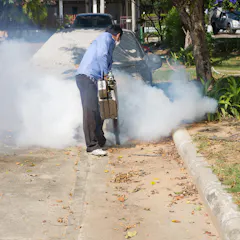
Emerging diseases on which the experts are keeping a close eye.
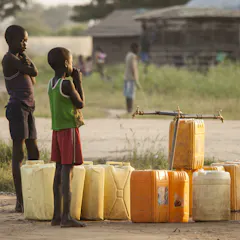
From floods to drought, fire to famine, the 2015-16 El Nino has had a global impact.
Top contributors
-

Medical Entomologist at the School of Biological Sciences, University of Nairobi
-
Assistant Professor of History, University of Pittsburgh
-
Group Leader, KEMRI-Wellcome Trust Research Programme, Kenya; Associate Professor, Centre for Tropical Medicine & Global Health, University of Oxford
-
Climatologist, Australian Bureau of Meteorology
-
Adjunct Professor (Practice) in the School of Earth, Atmosphere and Environment, Monash University
-
Chief Research Officer, Kenya Medical Research Institute
-
Climate scientist, Australian Bureau of Meteorology
-
Executive Vice President for Health and Policy at EcoHealth Alliance; Adjunct Professor, Icahn School of Medicine at Mount Sinai
-
Senior Climatologist, Australian Bureau of Meteorology
-
chercheur, Institut de recherche pour le développement (IRD)
-
Institute of Biodiversity, Animal Health and Comparative Medicine, University of Glasgow
-
Lecturer, Biomedical and Life Sciences, Lancaster University