
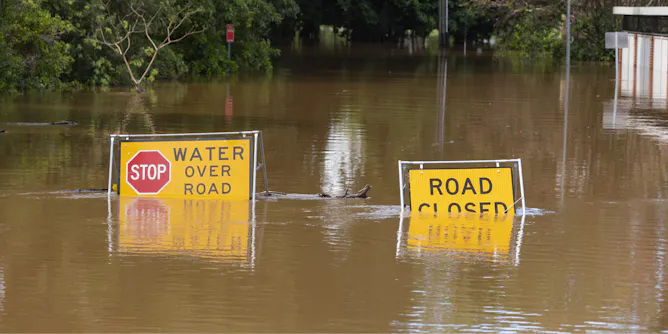
Nature-inspired responses like planting more trees and revegetating wetlands could reduce flooding in the northern rivers.
Articles on revegetation
Displaying all articles
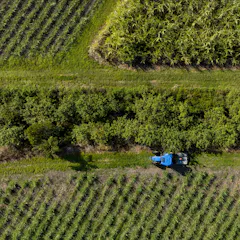
Producing food has a climate cost. But it doesn’t have to. Farmers can cut emissions, boost nutrients and restore nature – while making their farms more resilient

In his National Press Club address, Former Treasury Secretary Ken Henry made the case for urgent, ambitious nature law reform to boost productivity while saving species.
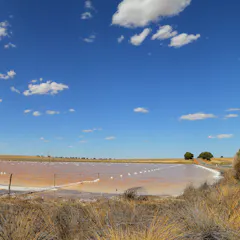
We’ve known about dryland salinity for a century. But while we’ve made progress, the problem hasn’t yet been solved.
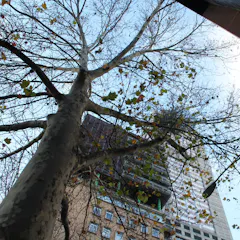
Mistletoes are ecological keystones that boost habitat value for wildlife, so we added them to established plane trees in the inner city.
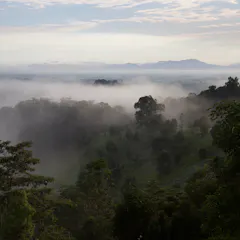
Australia has half as much forest as it did before colonisation. Restoring it can be hugely expensive. But new approaches can help

Many of our rivers are overloaded with nutrients from fertiliser run off and wastewater. Algal blooms, fish kills and poor water follow. One solution? Nutrient offsetting.
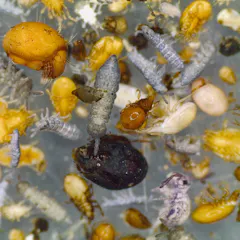
New research shows rewilding with invertebrates – insects, worms, spiders and the like – can go a long way in bringing our degraded landscapes back to life.
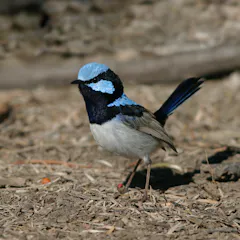
Increasing revegetation from 1% to 10% of the landscape doubled the number of woodland bird species. The collective efforts of landowners can make a real difference for native wildlife.
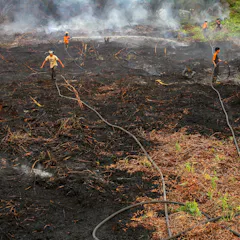
Indonesia’s Peatland Restoration Agency is likely to have its tenure extended by four years. What has been achieved and what should the agency focus on for the next term?
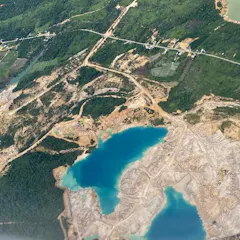
Indonesia’s revised mining law is loose on the requirements for mining companies to close pits when operations are over, potentially adding to drowning casualties.
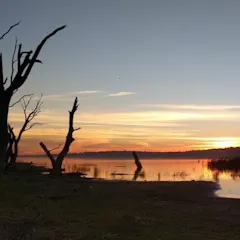
The number of visitors to the restored wetlands is increasing each year, as is the wildlife.
Top contributors
-

Professor in Ecology, Charles Sturt University
-
Adjunct professor, Murdoch University
-
Associate professor, Environmental and Natural Resources Law Department, Faculty of Law, Universitas Mulawarman
-
Professor, Deakin University
-
Associate Professor, School of Biological Sciences, Monash University
-
Associate Professor - Geography, The University of Western Australia
-
Postdoctoral Research Fellow in Environmental Social Science, The University of Melbourne
-
Professorial fellow, Murdoch University
-
Research Fellow, Australian National University
-
ARC DECRA Fellow, School of Geography, Earth and Atmospheric Sciences, The University of Melbourne
-
Adjunct professor, The University of Western Australia
-
Professor - Australian Rivers Institute, and Dean - Research Infrastructure, Griffith University
-
Associate Research Fellow, La Trobe University
-
Adjunct Asssociate Professor, James Cook University
-
PhD Candidate, La Trobe University