

The federal government’s actions could leave the island’s wildlife more vulnerable to H5N1.
Articles on Researchers
Displaying 1 - 20 of 53 articles

Hasty adoption of AI may erode the scientific culture and human relationships that sustain rigorous research.

If Canada wants to get ahead of the next health crisis, it needs to shield its scientists and researchers from online abuse.
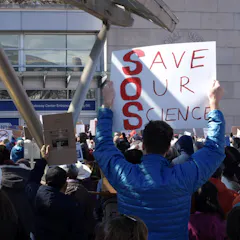
President Trump’s sudden cuts to hard-won federal grants are disrupting research and forcing scientists to face difficult choices.
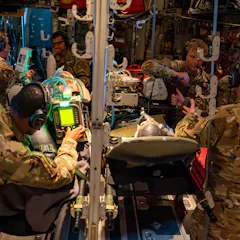
How much oxygen does the military need for wounded soldiers? Turns out not much. Military-civilian research is paving the way for new developments.

The critical debate of research is welcome and necessary. But the incidents documented in our study go far beyond this.

The 3MT® competition was sponsored by The Conversation’s Universal Impact subsidiary

Quantitative indicators fall short of recognising and rewarding the many aspects on which a healthy scholarly ecosystem depends.

A research project led entirely by autistic people aims to change the way autism research is conducted.

The cycle of opportunity and prestige for historically advantaged institutions leaves historically Black institutions on the back foot.

Some study the crisis, but all are worried – and frustrated.
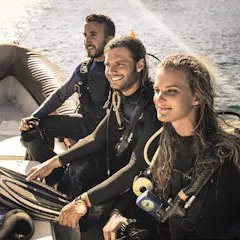
Growing awareness of sexual harassment and discrimination in the field prompted an international survey and research into potential solutions.
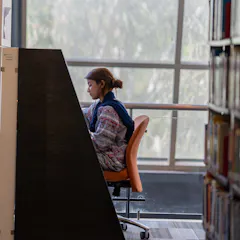
Our research found non-native English speakers face higher rejection rates and 12.5 times more revisions than their native English-speaking counterparts. But there are solutions.
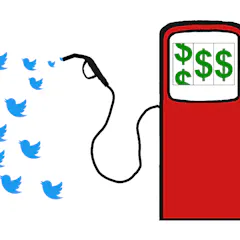
Twitter has long allowed anyone to access its data about who tweeted what and when. This has been a boon to research, from public health to criminology. The new fees put that research at risk.

Researchers have a number of responsibilities when embarking on their work - not least of all to the participants.

Researchers in sub-Saharan Africa ought to fuse conventional Western theories of knowledge and local theories of knowledge.

Peer review of research sounds like it should be a conversation between equals. Instead, it can be patronizing, demanding and simply unkind. A group of journal editors thinks this should change.
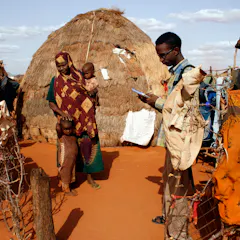
The movement to change the way researchers are measured should undoubtedly be embraced.
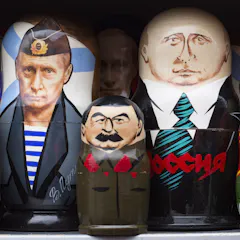
History always served as a weapon in the former Soviet Union, a way to control the narrative and deny the truth of the past. Vladimir Putin is now attempting to control this narrative through war.
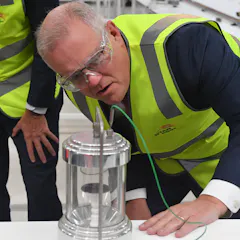
The male-dominated makeup of the industry partners who are meant to lead the commercialisation of research could undermine the work towards gender equity in Australian universities.
Top contributors
-

Previous Vice President of the Academy of Science of South Africa and DSI-NRF SARChI chair in Fungal Genomics, Professor in Genetics, University of Pretoria, University of Pretoria
-
Senior Curator of Marine Invertebrates, Museums Victoria Research Institute
-
Tshwane University of Technology
-
Associate Professor of Higher Education, Georgia State University
-
Director of Centre for Professional Ethics, University of Lancashire
-
Vice-Chancellor, Deakin University
-
Professor in Lyman Briggs College, Fisheries & Wildlife, and Philosophy, Michigan State University
-
Président, European Research Council
-
Universities Australia
-
Science Communication Researcher, Stellenbosch University
-
Vice-Chancellor, Western Sydney University
-
Senior Lecturer in Bioethics, Australian National University
-
Marie-Curie Research Fellow, Institut Català de Recerca de l'Aigua (ICRA)
-
President and Vice-Chancellor, UNSW
-
Professor and Vice-Chancellor, Edith Cowan University