
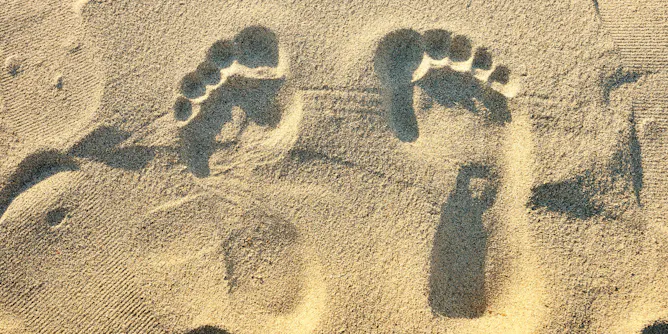
Environmental DNA provides a wealth of information for conservationists, archaeologists and forensic scientists. But the unintentional pickup of human genetic information raises ethical questions.
Articles on Research ethics
Displaying 21 - 40 of 97 articles

Pausing AI development will give our governments and culture time to catch up with and steer the rush of new technology.
Following the controversial births of the first gene-edited babies, a major focus of the Third International Summit on Human Genome Editing was responsible use of CRISPR.
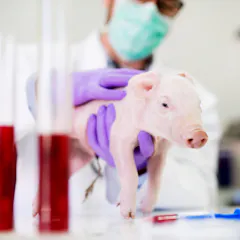
Although there are rules that govern animal research, they don’t answer one important question: when are the gains from research enough to justify the harms it may inflict?
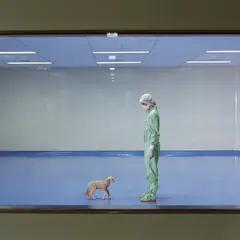
Guidelines and regulations weigh the medical and health benefits of animal research with researchers’ ability to ensure humane care of their subjects from start to finish.
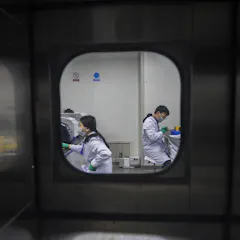
Genetic research is big business and has yielded life-saving treatments. But experts are warning of caution about ‘gain of function’ research that has the pandemic potential.

Nature’s recent efforts to redefine the ethical responsibilities of scientists leave a lot to be desired.
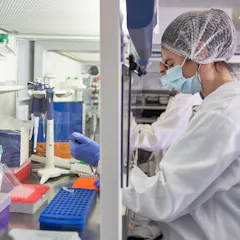
Thousands of ancient genomes have been sequenced to date. A Nobel Prize highlights tremendous opportunities for aDNA, as well as challenges related to rapid growth, equity and misinformation.

Researchers have a number of responsibilities when embarking on their work - not least of all to the participants.

Researchers in sub-Saharan Africa ought to fuse conventional Western theories of knowledge and local theories of knowledge.
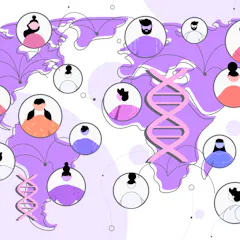
Existing genetic data and sequencing tools are overwhelmingly based on people of European ancestry, which excludes much of the rich genetic variation of the world.
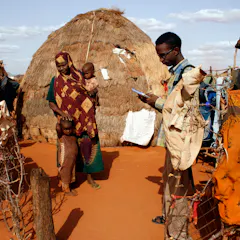
The movement to change the way researchers are measured should undoubtedly be embraced.
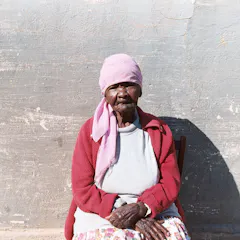
The South African Khoe-San communities are no strangers to exploitative research. One research team is trying to provide genetic ancestry results to community members. But they still face many challenges.
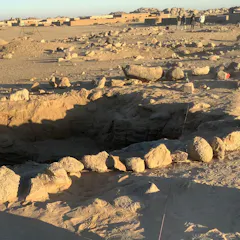
Promoting and practicing ethical research that includes the people who live in the area today is as important to the archaeological team as learning more about the lives of the ancient inhabitants.

Good science doesn’t eliminate uncertainty: it explains it.
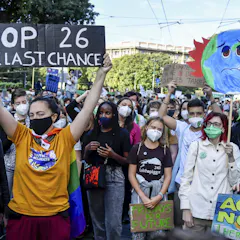
Research ethics focus on avoiding wrongdoing, having been developed largely in response to biomedical scandals. Climate change puts the onus on researchers to add ‘do good’ to ‘do no harm’ principles.
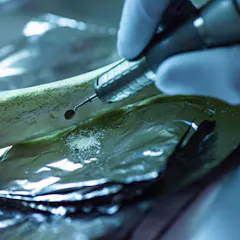
Studying ancient DNA in Africa is valuable for understanding human evolution, population migrations, and human history locally, regionally and globally.
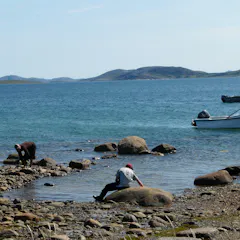
Summer 2021 is too soon for southern-based researchers and travellers to return to northern, Indigenous communities in the wake of COVID-19, for research fieldwork or leisure.

No-one wants our children to be used as research guinea pigs. High standards of ethical oversight are needed to ensure no child is exposed to possible harm.

Universities that pay academics to publish their research should do so with caution.
Top contributors
-

Adjunct professor, The University of Western Australia
-
Professor, School of Economics, UNSW
-
Associate Professor, School of Law, University of Canberra
-
Senior Lecturer in Medical Ethics and Law, St George's, University of London
-
Professor of Research Ethics, University of Portsmouth
-
Professor in Biological Anthropology, Division of Clinical Anatomy and Biological Anthropology, University of Cape Town
-
Associate Professor, School of Arts and Media, UNSW
-
Senior Lecturer in Ethics and Professionalism, Adelaide University
-
Associate Professor of Law, Bond University
-
Professor of Ethics, Keele University
-
Deputy Director (Research) Peter Underwood Centre, University of Tasmania
-
The University of Melbourne
-
Professor of Marine Science & Founder/Director of Blue Carbon Lab, Deakin University
-
Professor of War and Technology, University of Bath
-
Distinguished Journalist In Residence, Arthur Carter Journalism Institute, Retraction Watch