
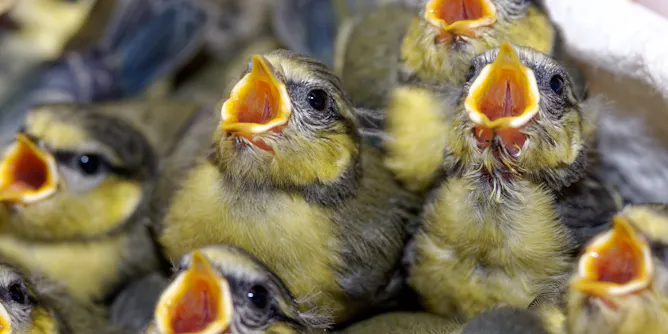
246 scientists looked at the same data sets and drew very different conclusions.
Articles on Research
Displaying 201 - 220 of 945 articles
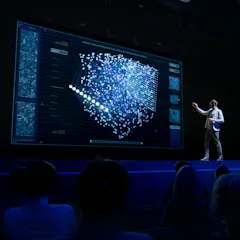
Conversations about scientific research and technological innovations allow the public to build trust with experts, and understand the impacts on everyday lives.
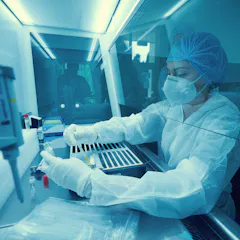
The winners of the 2023 Nobel Prize in physiology or medicine made a discovery that helped create the COVID-19 vaccines. They couldn’t have anticipated the tremendous impact of their findings.

Canada’s partnership in the world’s largest radio telescope, located in South Africa and Australia, creates new opportunities for research, but the benefits go beyond astronomy.
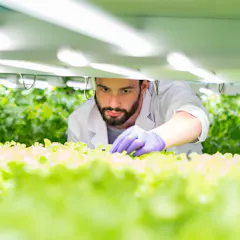
Science works better when barriers to collaboration are removed, say experts.
COVID-19 radically shifted the way we work and learn. It presented an opportunity for institutions to rethink the future of higher education. But, what does this future look like?

Police-academic partnerships are key to the success of evidence-based policing. Growing support for coercive control legislation makes research collaboration all the more urgent.
A failed experiment led the researchers to question their assumptions and realize that, contrary to popular belief, chromosomes interact with and affect genetic expression.
Researchers had college students and AI take a standardized test in creative thinking, and all of them were scored by trained evaluators who didn’t know in advance that some had been completed by AI.
The annual prizes for Australian science recognised efforts to confront the key challenges facing our world.
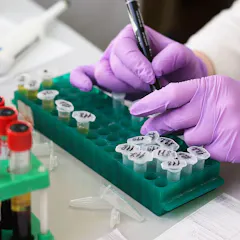
The sickle cell disease burden in west Africa is among the highest in the world.

Secondary publishing rights could facilitate immediate open access to publicly funded research and foster global innovation and discovery.
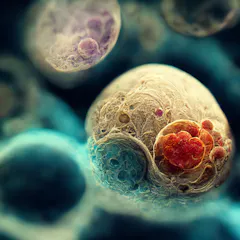
In June, the possibility of synthetic embryos was announced at a conference. This allows some research to extend beyond the 14-day rule, which restricts experimentation on embryos beyond this period.

A realistic look at forest management on the Nitassinan of Pessamit, based on data from the Québec government’s forest inventories.
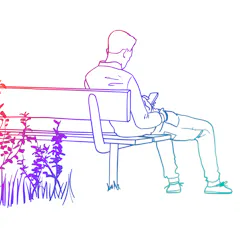
New research shows that frequent posters appear needy, which pushes up against the expectation that ‘real men’ be stoic and self-sufficient.

The war in Ukraine has led to the destruction of scientific infrastructure, caused many Ukrainian researchers to leave the country and disrupted the work of those who have stayed.
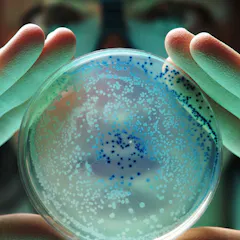
Researchers uncovered the foundations of biology by using E. coli as a model organism. But over-reliance on this microbe can lead to knowledge blind spots with implications for antibiotic resistance.

Large language models are becoming increasingly capable of imitating human-like responses, creating opportunities to test social science theories on a larger scale and with much greater speed.
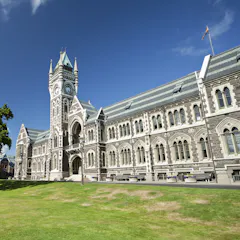
The $128 million funding boost for the tertiary sector is only a stop-gap measure. But it can buy time for a genuine rethink of the entire system.

Why The Conversation U.S. started an investigative unit.
Top contributors
-

Professor of Marketing, The Ohio State University
-
Associate Professor (Law), Southern Cross University
-
Cornelia H. Dudley Professor of Psychology, Knox College
-
Professor of Psychology, San Diego State University
-
Professor of Psychology, Dickinson College
-
Associate Professor (hon) at the Centre for Public Awareness of Science, Australian National University
-
Associate Professor of Psychology, Michigan State University
-
Director, Melbourne Institute of Applied Economic and Social Research, The University of Melbourne
-
Professor of Health Services and Policy Research, University of British Columbia
-
Previous Vice President of the Academy of Science of South Africa and DSI-NRF SARChI chair in Fungal Genomics, Professor in Genetics, University of Pretoria, University of Pretoria
-
University Distinguished Professor of Astronomy, University of Arizona
-
Professor of Psychology, Michigan State University
-
Associate Professor of Communication, Michigan State University
-
Professorial Fellow, University of Canberra
-
Professor, Chemistry and Biochemistry, Laurentian University