

While some lucky people believe they’ve never had COVID, many are facing their second, third or even fourth infection. Here’s what the evidence shows.
Articles on Reinfection
Displaying all articles
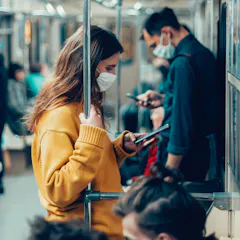
Previous infection was highly protective against reinfection with alpha, beta and delta variants, but less so against omicron BA.1.

The pre-Christmas period puts New Zealanders at high risk of exposure to COVID. Even at small gatherings of ten people, the probability someone has the virus has increased from 2-3% to about 15%.

A new paper looks at referrals to a long COVID clinic in England over the past two years. The results are good news.

SARS-CoV-2 is not the first virus to cause unexplained chronic illness, but the sheer size of this pandemic means more people will develop long COVID.

Intuitively, we would assume that subsequent infections should be less severe. But this won’t always be the case.
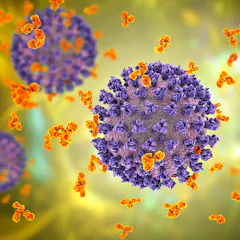
‘Hybrid immunity’ is the term for immunity acquired from both prior infection and vaccination.
It’s hard to keep up. But new Omicron sub-variants are emerging that may lead to reinfections and another spike in cases.
The latest addition to the omicron lineage has been making waves in Europe. Whether it will do the same in the U.S. depends on rates of vaccination and prior infection.
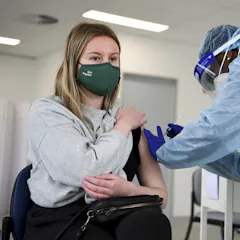
Some countries have started administering third doses of COVID vaccines, or booster shots. But we’re still learning about how long immunity lasts from the first two shots.

It’s not only shedding and reinfection which are different — there are actually two types of viral shedding.

Reports of reinfection shouldn’t be cause for alarm. If we gather the right data, they can teach us a lot about the immune response.
A few people have developed COVID-19 twice. That doesn’t mean a vaccine can’t offer long-term protection.
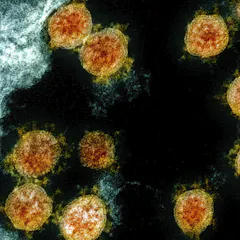
This is just one person. Is he the exception? Is he the rule? We don’t know yet for sure. But reinfection is definitely possible.
Scientists were not surprised by reports on coronavirus reinfection; the lack of symptoms on reinfection is encouraging.
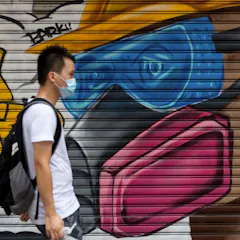
Reports describe a Hong Kong man who was reinfected with the coronavirus after returning from Europe. Does that mean he wasn’t immune after the first infection?
Top contributors
-

Distinguished Professor, Professor of Immunology, RMIT University
-
Associate Professor in Viral Immunology, University of Birmingham
-
Postdoctoral Researcher, Immunology and Virology, University of Cambridge
-
Associate Professor and Research Leader in Virology and Infectious Disease, Griffith University
-
Vice Chancellors Senior Research Fellow in Immunology, RMIT University
-
Professor in Immunology, University of Manchester
-
Professor of Immunology, RMIT University
-
Senior Lecturer in Molecular Biology, De Montfort University
-
Professor of Public Health, Te Kunenga ki Pūrehuroa – Massey University
-
Pediatric Infectious Diseases Fellow, University of Pittsburgh
-
Project Lead - COVID Modeling Aotearoa; Senior Lecturer - Department of Physics, University of Auckland; Principal Investigator - Te Pūnaha Matatini, University of Auckland, Waipapa Taumata Rau
-
Scientific Officer in Biomedical Sciences, University of Leeds
-
Professor of Public Health, University of Otago
-
Professor of Pathology, Microbiology and Immunology, University of South Carolina
-
Research fellow, CSIRO