
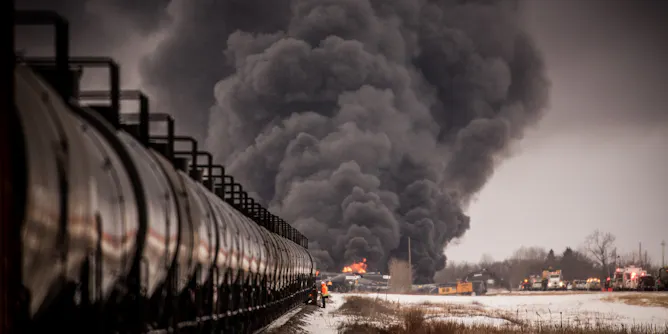
The domination of regulatory agencies by the very organizations they regulate — instead of the public interest — must be overcome. It requires leadership at all levels of government.
Articles on Regulations
Displaying 21 - 40 of 69 articles
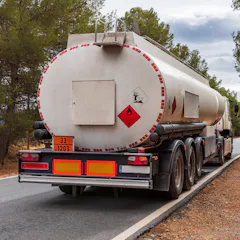
Nobody wants to see an accident involving flammable, corrosive or radioactive material. But understanding the rules put in place to prevent these accidents isn’t easy.

Misleading potency labels can disrupt medical dosages, misguide recreational users and erode trust in the industry.
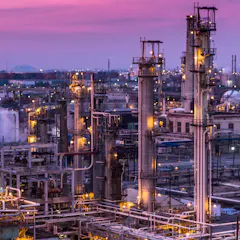
Climate disclosure rules are meant to help investors understand their risks, but they come with costs for companies, as a finance scholar explains.

The downfall of the onetime multibillionaire holds lessons for investors and regulators alike.

Cars can collect data via cameras, microphones, sensors, and connected phones and apps. Our privacy laws need urgent reform if these data are to be kept safe.

Nanoparticles have contributed to profound medical advances like the COVID-19 vaccine, but without oversight, they pose ethical and environmental issues.
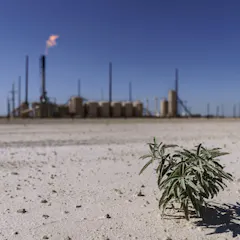
Regulating greenhouse gas emissions is an important part of Canada’s strategy to achieve net-zero emissions by 2050. However, a newly published study illustrates why enforcing regulation is key.

A rash of pending lawsuits raises questions about the FDA’s approval of mifepristone two decades ago, whether the drug can be legally mailed and the constitutional right to interstate commerce.
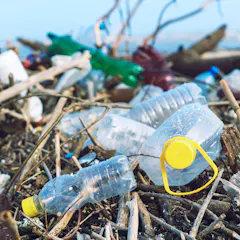
Many countries export their plastic waste abroad – but the mismanagement of this plastic waste is one of the leading causes of plastic pollution in nature.
Businesses can spend huge amounts of money to influence Congress. But sizable lobbyist and campaign donations also go to state campaigns and lawmakers to influence policymaking.
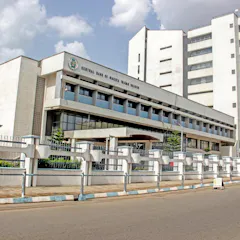
Nigeria’s banking sector is dominated by local players born out of state policy.

China’s mortgage strikes are affecting its economy but won’t cause global contagion.

New regulations for protecting water resources during oil exploration are inadequate and should be reviewed.

Whether safety-related fixes demand a software upgrade or a trip to the dealership, carmakers must notify the National Highway Traffic Safety Administration and all affected drivers

If the crisis worsens, more people will ask, how did this happen? The answer will be simple: governments made good laws, but they did not enforce them.

Private companies and public authorities are beginning to implement facial recognition technology, even without rules to govern what they can do.

These chemicals are now present in water, soil and living organisms and can be found across almost every part of the planet – including 98% of the American public.

Industries have blocked or delayed new regulations and pushed to remove or dilute existing regulations by framing regulations as detrimental to creating jobs and wealth.

Mercury is a neurotoxic metal that can cause irreparable harm to human health – especially the brain development of young children. A scientist explains how it gets from power plants to fish to you.
Top contributors
-

Senior Fellow, Centre for Free Expression, Toronto Metropolitan University; York University, Canada
-
Reader in Economics, University of Sussex Business School, University of Sussex
-
Researcher, University of Bath
-
Lecturer in Commercial Law, University of Sussex
-
Senior Lecturer in Law, Sheffield Hallam University
-
Veterinarian, James Cook University
-
Associate Professor, UCT School of Economics; South African Reserve Bank Research Chair in Financial Stability Studies, University of Cape Town
-
Professor of Health Economics, University of Bologna, University of Newcastle
-
Professor Emeritus of Management, UMass Boston
-
Professor of Institutional Economics, RMIT University
-
Senior Research Fellow, Max Planck Institute for Innovation and Competition
-
Professor Emerita of Sociology and Women's Studies, CEO of Culture Reframed, Wheelock College
-
Associate Professor, Watts College of Public Service and Community Solutions and Co-Director, Center for Emergency Management and Homeland Security, Arizona State University
-
Director of the UK Trade Policy Observatory and Professor of Economics, University of Sussex Business School, University of Sussex
-
Senior Lecturer (Associate Professor) in Business Economics, University of Bath