
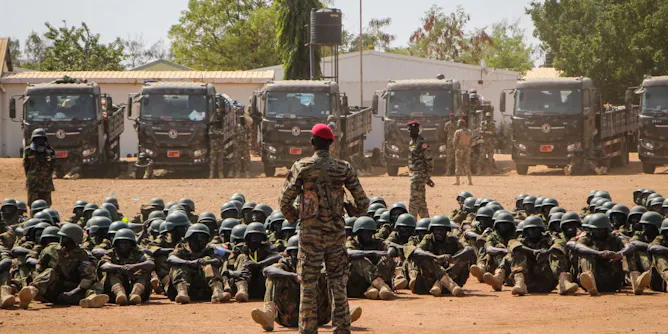
The causes of violence in the DRC are complex. Narrowing them down to the single lens of ethnicity can be misleading.
Articles on Rebels
Displaying all articles
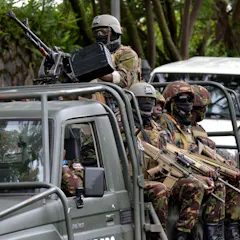
Consolidating peace efforts across the vast territory has proved difficult for close to three decades. Scholars explain why.
Maxime Mokom is an ordinary man who came to reflect a specific vision of the Central African society, one that exclude other fellow citizens in the name of being a ‘true central African’.
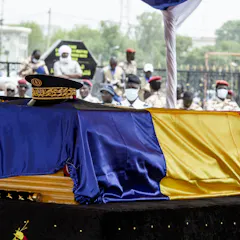
Talks being facilitated by Qatar will determine whether Chad will be peaceful or once again be torn apart by armed conflicts.
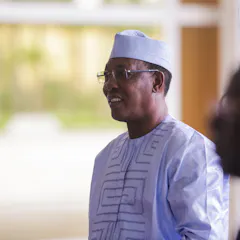
When he grabbed power in 1990, Déby promised to create a democratic society, but he turned out to be a ruthless authoritarian whose main agenda was to remain in office.

Drinking, swearing and social transgressions can lead to good things.
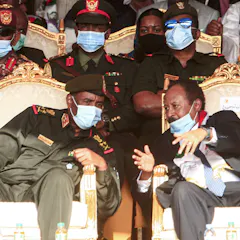
The transitional government has achieved a monumental milestone, but peace agreements in Sudan have been known to fall apart quickly.

Local communities are wary of the sudden arrival of outsiders and of their interest in regions where there’s been violence for years
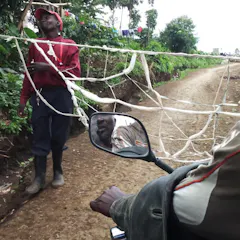
The DRC’s roads are a crucial space where conflict, illegal taxation, and conflict financing entangle.
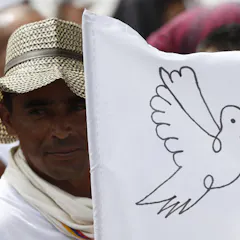
Ending violence is only a first step. Research from Colombian universities sheds light on the role of education in peace-building.
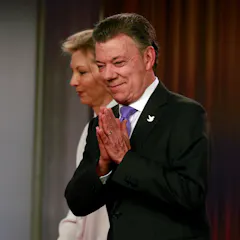
Scholars share their research with former combatants in Colombia, after a majority of Colombians voted against a peace deal. Can understanding reintegration help peace negotiations move forward?
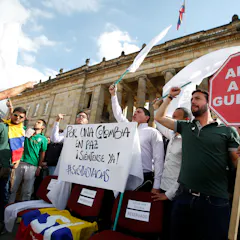
Few Colombians who have been displaced by violence voted on the peace deal from abroad. An expert in conflict resolution explains why their voices must be part of the peace process.
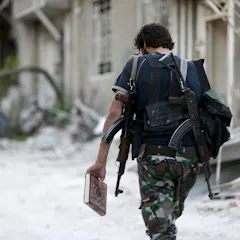
Who is fighting who – and why.
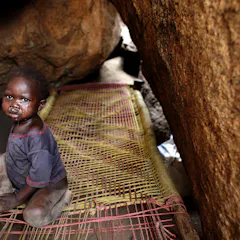
Countless Nuba children have been killed by shrapnel, others from a loss of blood pouring from severed limbs. Others have stepped on landmines planted by Sudan’s troops.
Top contributors
-

Associate Researcher, Arnold Bergstraesser Institute
-
Visiting Researcher, University of Leeds
-
Ph.D. Candidate, The Fletcher School, Tufts University
-
Professor of International Humanitarian Studies, The Fletcher School, Tufts University
-
Associate Professor of Conflict Resolution, UMass Boston
-
Senior researcher, Danish Institute for International Studies
-
Co-Director, Institute for Genocide and Mass Atrocity Prevention, and Professor of Public Administration, Binghamton University, State University of New York
-
Associate Professor of International Studies, University of Nottingham
-
Senior Lecturer in Psychology, Keele University
-
Manager, Zone Learning, University of the Western Cape
-
Assistant professor, Université de Mons
-
Adjunct assistant professor, Roskilde University
-
Postdoctoral Research Associate, King's College London
-
Research Director of the Insecure Livelihoods Project, Ghent University
-
Peace and Securty Specialist, L’Université d’Ottawa/University of Ottawa