
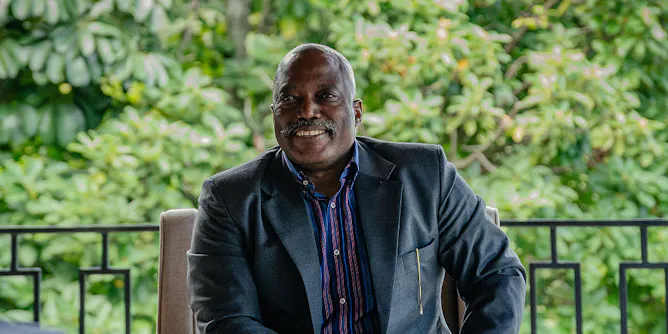
Accusations of treason against former DRC president Joseph Kabila are evidence of the fallout between him and his successor.
Articles on M23
Displaying 1 - 20 of 31 articles
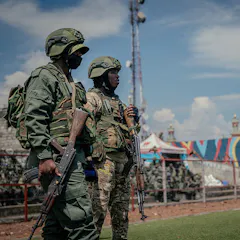
Sustained diplomacy is needed to make current peace efforts work more effectively in the DRC.
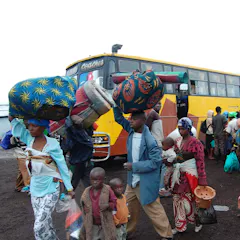
A lasting resolution should not be expected when only a few conflict parties have concluded an agreement.

As violence continues to displace people in the eastern DRC, women face a heightened risk of sexual and gender-based violence.
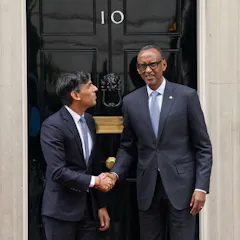
Rwanda’s involvement in the DRC has damaged the goodwill it used to enjoy from western powers.

A professor of global health was in Kivu when the fighting began to rage. She recounts what she and her colleagues experienced during those days of terror.

The DRC illustrates how millions of people in fragile, violent and conflict-affected parts of the world are at risk of disaster.
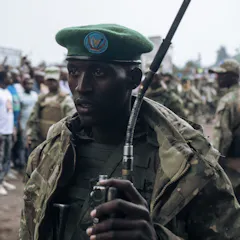
M23’s advances highlight Rwanda’s role in the Democratic Republic of Congo, and the risk of an escalating regionalised conflict.
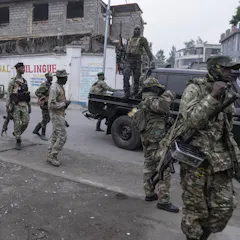
Creating sustainable peace in Congo requires giving justice to the victims of war crimes and preventing the illicit trade in minerals.
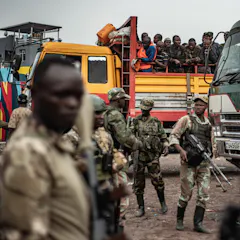
Current initiatives to bring peace in eastern DRC have been ineffective as they are routinely violated.
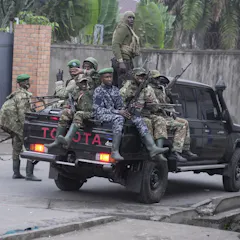
After capturing the key city of Goma, the M23 rebels in eastern Congo seem intent on capturing more territory – and lucrative mining operations.

Kagame will need to address regional security threats, which include deteriorating relationships with neighbouring Burundi and DRC.
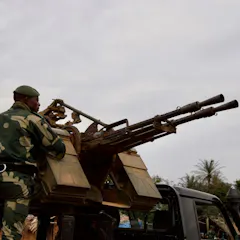
Uganda’s interest in natural resources during the second Congo war has had a lasting impact on how it’s perceived in the DRC.

Those who reject recourse to the courts in favour of street demonstrations are taking the wrong approach to the current democratic turning point.
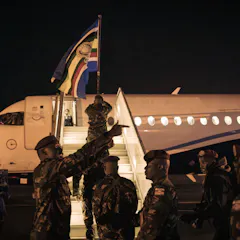
Chances of longer term peace are small because of the DRC’s assumption that it can achieve peace through sheer military force.

Regional rivalries have functioned as oxygen, allowing the rebel group to survive and grow.
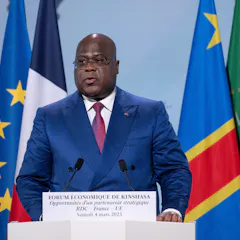
Plenty remains to be done to improve the lives of Congolese citizens.

Central to the DRC’s politics is a broken relationship between the seat of government in Kinshasa and underrepresented groups in the eastern region.
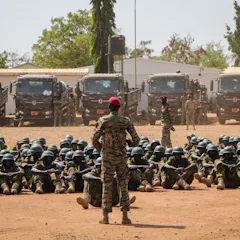
The causes of violence in the DRC are complex. Narrowing them down to the single lens of ethnicity can be misleading.

A comprehensive strategy does not seem to be an immediate priority for Congolese authorities with an eye on elections.
Top contributors
-

Postdoctoral Research Associate, King's College London
-
Researcher and lecturer, City University of New York
-
Professor in International Development, University of Antwerp
-
Research Director of the Insecure Livelihoods Project, Ghent University
-
Visiting Researcher, University of Leeds
-
Lecturer in African History, Queen Mary University of London
-
Lecturer in Political Science, Binghamton University, State University of New York
-
Adjunct assistant professor, Roskilde University
-
Researcher in Political Philosophy and social sciences, Center of Global studies, Institutes of Philosophy, Czech Academy of Sciences
-
Professor of International Relations, Norwegian University of Life Sciences
-
Professor of political science, University of North Carolina – Charlotte
-
Assistant Professor of National Security Affairs in the College of Distance Education, US Naval War College
-
Assistant professor of International Relations at the Institute of Political Science, Leiden University
-
Senior Lecturer in International Relations, University of Tasmania
-
Manager, Zone Learning, University of the Western Cape