
Scam techniques that rely on human nature are increasingly being executed via technology. Here are five that recorded big increases in 2021.
Articles on Ransomware
Displaying 21 - 40 of 84 articles

From initial coin offerings that are totally fake to fraudsters demanding payments in crypto, scams involving cryptocurrencies are on the rise. Two experts explain why – and how to protect yourself.
The US has made a dent in Russian cyber criminal gangs. But tensions with Russia and the shadowy nature of hacking keep the threat level high.

Log4Shell is the latest hacker exploit rocking the internet, and it’s arguably the worst yet. The vulnerability is in an obscure piece of software used on millions of computers.

An increasing number of cyberattacks threaten critical infrastructures. These attacks exploit weaknesses in outdated and insecure systems.

As schools and colleges confront the challenges of COVID-19, cybercriminals exploit weaknesses in the computer networks and online systems.
Hybrid warfare is becoming increasingly sophisticated. Governments and vulnerable organisations need to adapt quickly to respond to the threat.
With little international law governing state-sponsored cybercrime, the risk of retaliation and even war is growing.
A UN working group on cybersecurity is making incremental progress in highlighting the importance of including and protecting civilians.
The first ransomware attack, in 1988, was a crude effort involving virus-laden floppy disks. But in the decades since, the sophistication of malware, and the money reaped by criminals, has skyrocketed.

The recent attack on software supplier Kaseya has been labelled as the biggest global ransomware attack on record.
Co-ordinated cyberattacks can create massive disruptions to infrastructure and supply chains. New treaties are needed to prevent cyberwarfare, but it’s challenging to predict technological advances.
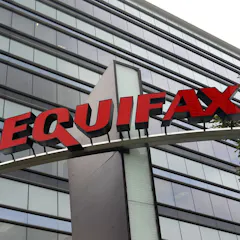
If an organization that has your data gets hacked, your vulnerability depends on the kind of attack and the kind of data. Here’s how you can assess your risk and what to do to protect yourself.
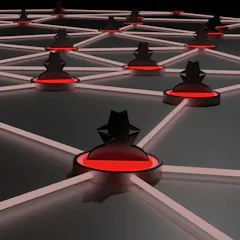
Ransomware has gone professional, with criminal consultants, affiliates and brokers – arresting them all will be difficult.

The amount of online data and transactions are growing exponentially. Related is the increasing possibility of cyberattacks — one way to address these is by regulating parts of the internet.
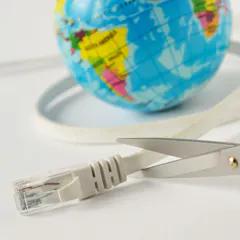
The centralisation of internet infrastructure leaves swathes of the online world vulnerable to sudden outages.

Cybersecurity for pipelines and ports is too important to leave unregulated.

The FBI and Treasury Department frown on the idea of paying off cyber attackers. But there is sufficient ethical and legal gray areas to make it a real moral quandary for business leaders.
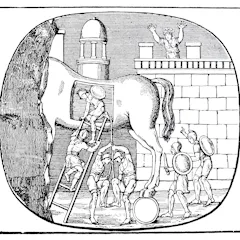
Most people think of trust as active – you place your trust in someone or you don’t. But weak cybersecurity, like leaving your front door unlocked, is a matter of trust, too.
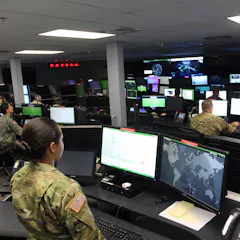
Fragmented authority for national cyber defense and the vulnerabilities of private companies that control software and infrastructure stack the deck against US cybersecurity.
Top contributors
-

Professor of Cyber Security Practice, Edith Cowan University
-
Professor of Criminology, University of Leeds
-
Professor of Management, University of North Carolina – Greensboro
-
Professor of Business Law and Ethics, Indiana University
-
Lawyer, Curtin University
-
Senior Lecturer in Networking, The Open University
-
Adjunct Senior Lecturer, Applied Ethics and CyberSecurity, Griffith University
-
Teaching Professor of Computer Science and Electrical Engineering, and Associate Director, UMBC Cybersecurity Institute, University of Maryland, Baltimore County
-
Research Affiliate at the Ostrom Workshop for Cybersecurity and Internet Governance, Indiana University
-
Head, The Cyber Academy, Edinburgh Napier University
-
Lecturer in Software Engineering, Monash University
-
Professor, Management Information Systems, Simon Fraser University
-
Associate Director, Initiative For Cryptocurrencies and Contracts (IC3); Assistant Prof. of Electrical Engineering, Technion - Israel Institute of Technology
-
Lecturer in Intelligence and Security, Edith Cowan University
-
School of Science, Edith Cowan University