
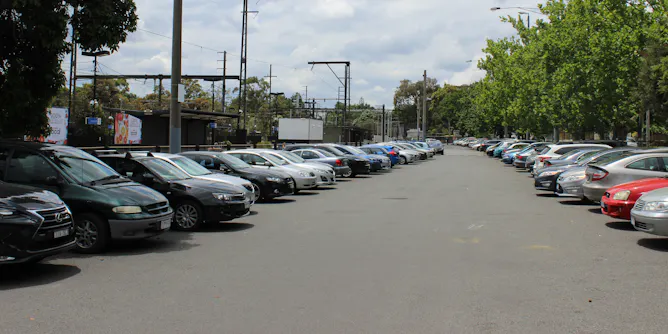
The Commuter Car Park Fund announced in the budget sounds big, but is likely to create only around 30,000 extra spaces – a marginal benefit for Australia’s 1.2 million daily public transport users.
Articles on rail transport
Displaying 21 - 40 of 54 articles
Despite boasts of ‘record’ infrastructure spending, relative to GDP it’s comparable to previous budgets. What’s different is that Treasurer Frydenberg has chanced his arm more over the longer term.
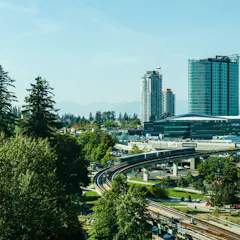
Instead of spending ever more on roads, we can learn from Vancouver’s use of congestion as a ‘friend’ in managing the development of transport networks and of the city itself.
Whichever party wins, Victoria’s new government will have promised the biggest transport infrastructure project in Australian history. So what are the promises and are they backed by proper assessment?
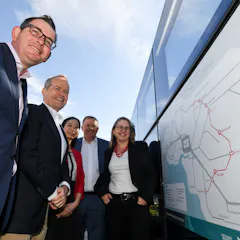
In the election bidding wars, parties commit billions to transport projects, often before all the work needed to justify these has been done. More cost-effective alternatives hardly get a look-in.
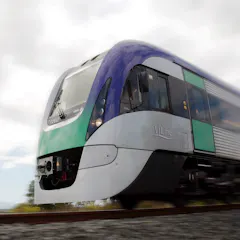
High-speed rail for Australia has been on the drawing boards since the mid-1980s but has come to nothing. Three states are developing medium-speed rail with federal funding, but NSW is missing out.
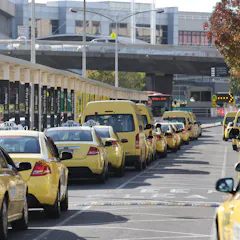
Good public access for Melbourne Airport and others like it depends on not fixating on one solution, like a single rail line, but instead developing multiple options integrated with the city’s needs.
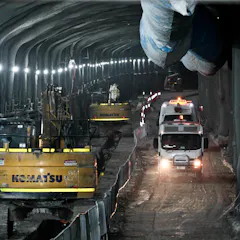
Analysis of the business cases for three of the biggest projects deemed “high priority” by Infrastructure Australia raises questions about the process.
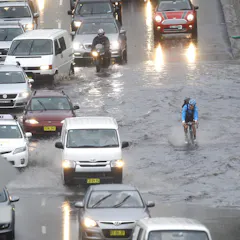
The relationship between weather and our travel choices is complicated. We can’t change the weather, but, with many other factors in play, good policy and design can reduce its impacts.
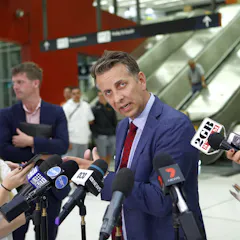
The real challenge is finding appropriate ways to invest in public transport that will not only take pressure off the system but also support improved travel on all modes, including cars.
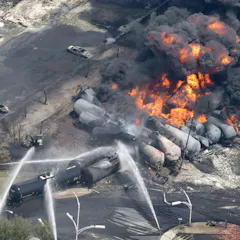
As the Lac Mégantic rail disaster trial begins, here’s how technology can help prevent a repeat of the tragedy that killed 47 people.
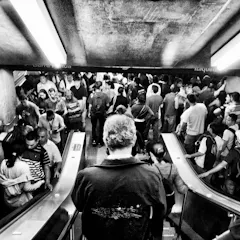
Subways seem like the perfect solution to improve air quality in cities. But what about air quality underground?
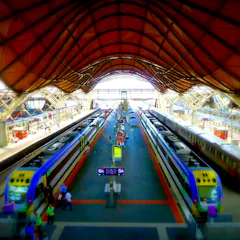
Victoria offers lessons in the benefits of integrating metropolitan and regional planning, using regional rail to shrink distance and ease the pressures of growth on our big capital cities.
A rail link is a big step towards transforming transport access and land use in ways that will enable a much bigger city to remain liveable. And Melbourne can learn from Sydney about this.

Estimated cost savings for rail and bus franchising from Infrastructure Australia and PwC will have government treasurers salivating. Problem is, the figures are almost certainly far too high.
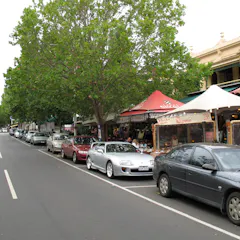
A new study shows that restaurateurs would be better off advocating for better public transport access to their precincts rather than for more parking.
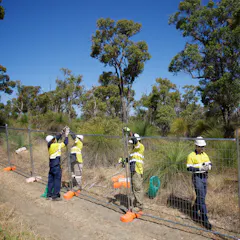
Perth’s Roe 8 project illustrates all that is wrong with how we are planning and managing infrastructure in our cities.
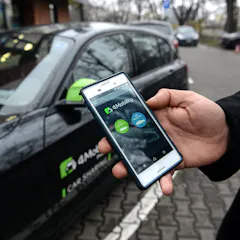
Roads versus public transport: for decades, these have been the battle lines in debates over transport in our cities. But a revolution in mobility is under way that will transform our thinking.
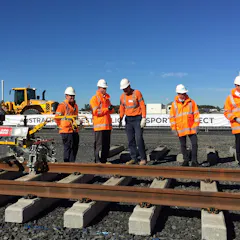
Who’ll profit from the value uplift arising from the huge investment of taxpayers’ funds in creating better-serviced, higher-density suburbs? And what will the changes mean for existing residents?
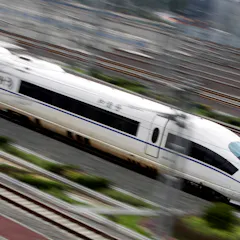
High-speed rail is now a well-established technology and Australia needs it, as long as the project ticks all the boxes needed to deliver both private and public benefits.
Top contributors
-

Honorary Principal Fellow, University of Wollongong
-
Senior Lecturer in Urbanism, University of Sydney
-
Professor of Sustainability, Curtin University
-
Transport and Cities Program Director, Grattan Institute
-
Proprietor - Hale Consulting, The University of Melbourne
-
Honorary Senior Fellow in Transport Planning, The University of Melbourne
-
Adjunct Professor, Institute of Transport and Logistics Studies, University of Sydney Business School, University of Sydney
-
Associate Professor of Urban Planning, The University of Melbourne
-
Professor and Director, Institute of Transport and Logistics Studies, University of Sydney
-
Adjunct Professor of Transport, University of Technology Sydney
-
Professor of Urban Policy and Director, Urban Futures Enabling Impact Platform, RMIT University
-
Research Associate, Newcastle University
-
Professor of Environment and Planning, RMIT University
-
Adjunct Associate Professor, Queensland University of Technology
-
PhD Candidate and Sessional Lecturer in Planning, The University of Melbourne