
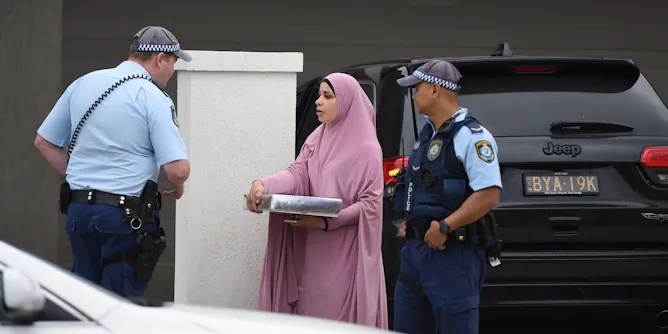
We cannot ignore or underestimate the important role police can play in community-based efforts to tackle radicalisation and violent extremism.
Articles on Radicalisation
Displaying 101 - 120 of 150 articles

A control order is only useful where the police have sufficient intelligence about a person’s activity to apply for an order.
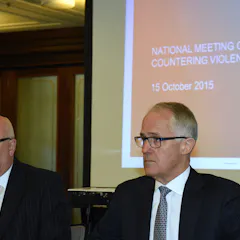
What has changed within society that fosters radicalisation among young people? Where are we failing children, and how can we adjust direction to care for them rather than incarcerate them?
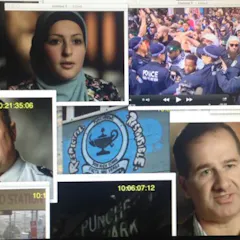
The trick for the jihadist recruiter is to find someone whose alienation will run the gamut to murder, usually by providing an affirmative role model that speaks to their unease.

Counter-radicalisation is only one part of nearly 20 very distinct areas of policy to combat terrorism. It is probably not the most effective by a long shot.
Hundreds of people have been referred to a programme that is supposed to protect them from being drawn into terrorism. But its methods are deeply questionable.
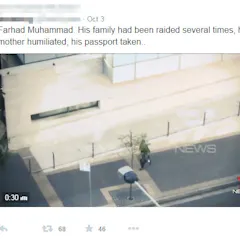
Each individual case of radicalisation has its own characteristics. But the research has highlighted some patterns that may help to explain the dark world that is drawing in some Australian youth.

There is still much we do not know about lone-wolf terrorism. But what we do know may provide investigators with a sort of detection system to prevent attacks from taking place.
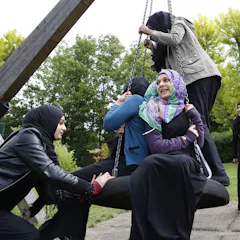
Young British Muslims are embroiled in a conundrum of non-belonging.

The Channel programme is meant to protect children, but it could be breaching their rights.

There is no consistent system for recording and reporting children who are removed from school registers.

The British PM admitted that some Muslims don’t feel they have a place in the UK.
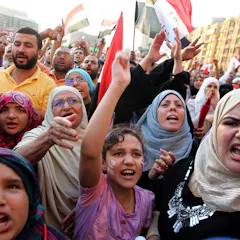
People sometimes overlook their profound differences if social forces unite them in a common, often ill-defined desire. Hostility to Muslims is creating an imagined solidarity that Islamists can exploit.

It may feel like the battle is being lost but some vital information has been gathered in the decade since the London bombings.

The US and UK were attacked by suicide bombers within a few years of each other, but their responses were very different.
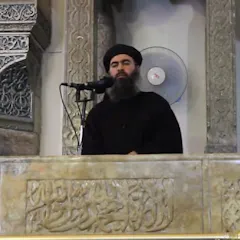
The Caliphate has inspired disputes among Muslims for centuries, but attempts at revival in modern times are unlikely to succeed. Most of the world’s Muslims would not accept its authority over them.
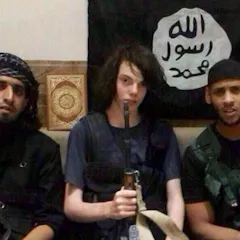
Introducing new curriculum requirements to teach young people about specific issues or requiring teachers to look out for signs of radicalisation are just as likely to have little or no impact if not supported by evidence.
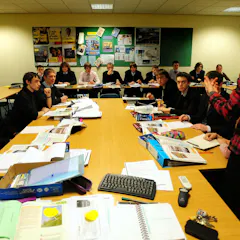
From July 1, schools have a legal duty to prevent pupils being radicalised.
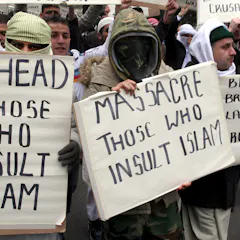
Islamic State is symptomatic of a disturbed and troubled social order. The vast crisis of dislocated people and communities is being expressed in anger, intolerance and perverted notions of honour.
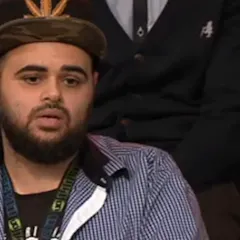
It is important that we do not entirely dismiss Zaky Mallah’s comments on Q&A. He sheds light on a seductive mechanism for young Muslims that is real.
Top contributors
-

Visiting Fellow, Department of Political and Social Change, The Philippines Institute, Australian National University
-
Professor, Coventry University
-
Professorial Fellow, School of Arts and Humanities, Edith Cowan University
-
Associate Professor, Griffith Criminology Institute, Griffith University
-
Associate Professor, School of Criminology, University of Leicester
-
Lecturer in Politics, Philosophy and Religion, Lancaster University
-
PhD, PhD - researcher and analyst, Edith Cowan University
-
Associate Professor, School of Social Science, The University of Queensland
-
Professor of Contemporary European History, University of Oxford
-
PhD Researcher, International and Political Studies, School of Humanities and Social Sciences, UNSW
-
PhD Candidate in Politics and International Relations, Monash University
-
Honorary Senior Research Fellow, School of Law and Social Justice, University of Liverpool
-
Professor of Religious and Secular Studies, Lancaster University
-
Senior Lecturer, Department of Sociology and Criminology, City St George's, University of London
-
Professorial Fellow, University of Canberra