
Hiding in plain sight, they’re subtle reminders that we’re being watched, tracked, studied.
Articles on Radiation
Displaying 41 - 60 of 126 articles

Extracting and storing human body heat we generate could improve building sustainability while cutting bills.
Russia isn’t a major producer of uranium, but it handles a large share of the steps that turn it into nuclear fuel. That makes it a major player in this globalized industry.

Russia’s invasion of Ukraine and Vladimir Putin’s nuclear threats have the world on edge, but so far, long-standing arms control measures have helped keep the situation from getting out of control.
The level of danger posed by the Chernobyl power cut depends on how long it lasts.
The world held its collective breath as Russian troops battled Ukrainian forces at the Zaporizhzhia nuclear power plant. The battle is over and no radiation escaped, but the danger is far from over.
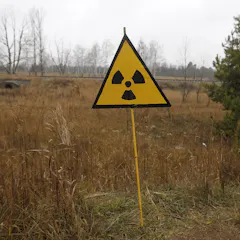
With Russian troops rolling through the Chernobyl exclusion zone in Ukraine, a biologist who studies wildlife in the area describes the risks of disturbing this radioactive landscape.
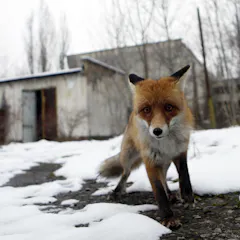
Heavy military vehicles may have kicked up radioactive soil around Chornobyl, and with fighting nearby there’s a danger of harming the concrete shelter containing the radiation of the leaking reactor.

Experts in nuclear power and nuclear medicine worry that fears of radiation will keep us relying on fossil fuels for longer.

A diagnosis of metastatic breast cancer means having cancer for the rest of one’s life – a situation with very different needs and concerns compared to earlier stages of the disease.

People are exposed to toxic substances – like pesticides, chemicals in plastics and radiation – every day. A growing body of research shows that this exposure is causing a decline in male fertility.
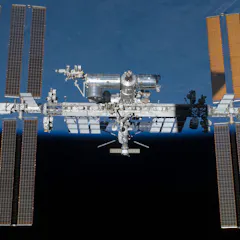
Humans have been living on the International Space Station for two full decades. So what comes next for this ailing technology, and what does it mean for future International ventures in space?

While long-term exposure of lower levels of radiation for wildlife around Chernobyl is still being debated, new research provides insight into the effects on bumblebee populations.
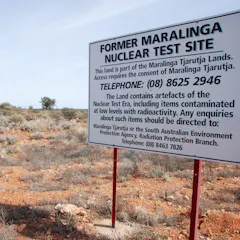
These caused untold health problems for Aboriginal people and Pacific Islanders who were at the highest risk of radiation
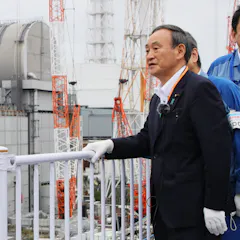
Japan’s plan is a terrible idea, but so is our government’s plan to send nuclear waste to South Australia temporarily.
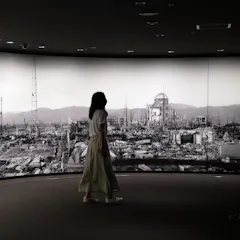
What if there was another nuclear incident in the US? A disaster management scholar looks back at the history of nuclear events to assess the risk.

Seventy-five years after the first nuclear detonation and nearly 30 years since testing was banned, the US is considering resuming live nuclear testing.
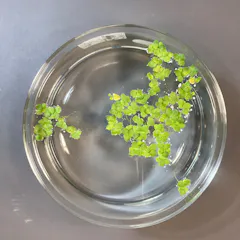
Duckweed is the perfect space food: small, fast-growing and nutritious. By studying how light levels changed the production of radiation-fighting antioxidants, researchers made it even better.
In my ten years working with and researching it, I’ve encountered lots of myths.

Late detection of breast cancer means treatment is often drastic and frightening for patients.
Top contributors
-
 Timothy J. Jorgensen is a Friend of The Conversation.
Director of the Health Physics and Radiation Protection Graduate Program and Professor of Radiation Medicine, Georgetown University
-
Director Radiation Research and Advice, Australian Radiation Protection and Nuclear Safety Agency (ARPANSA), and Adjunct Associate Professor, University of Wollongong
-
Professor of Engineering and International Relations, University of Southern California
-
Professor of Health Psychology, University of Wollongong
-
Honorary Principal Fellow, School of Population and Global Health, The University of Melbourne
-
Senior Fellow, James Martin Center for Nonproliferation Studies, Middlebury College
-
Professor of Environmental Science, University of Portsmouth
-
Professor of Sociology, Ball State University
-
Professor Emeritus of Communication, North Carolina State University
-
Doctoral student, Adelaide University
-
Postdoctoral research fellow, Applied Ethics, University of British Columbia
-
Associate Professor of Physics, The University of Melbourne
-
Research Fellow in nuclear waste disposal, University of Sheffield
-
CBRN defence scientist, Charles Darwin University
-
Reader in Psychology, University of Stirling