

Research reveals that the enduring legacy of racism in medicine contributes to suboptimal communication and poor quality care for women.
Articles on Racism in health
Displaying all articles

While policy organizations publicly claim that they want input from racialized and other marginalized communities, many fail to listen to, accept or integrate what those communities have to say.

Transcript of Don’t Call Me Resilient, Episode 5: Black health matters
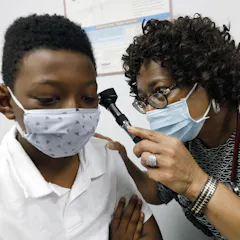
When COVID-19 first appeared, some called it the great equalizer. But the facts quickly revealed a grim reality: COVID-19 disproportionately impacts racialized communities.

While many institutions pledged their support for anti-racism work this summer, a health researcher says these ideas need to go further to address the long-term health impacts of internalized racism.

From having their pain dismissed to being charged additional fees, ethnic minority and migrant women face significant barriers to accessing healthcare during a pandemic.
Top contributors
-

Associate Professor, Faculty of Humanities, McMaster University
-
Senior Lecturer at The City Law School, City St George's, University of London
-
Postdoctoral Fellow, Faculty of Humanities, McMaster University
-
Reader in Law at The City Law School, City St George's, University of London
-
PhD Candidate, Faculty of Nursing, University of Alberta
-
Professor, Faculty of Nursing, University of Alberta
-
Assistant Professor, Teaching Stream, Black Health Lead, Dalla Lana School of Public Health, University of Toronto