
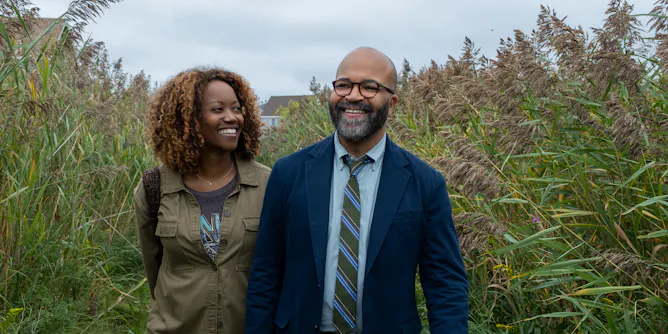
In this episode, Vinita sits down with two experts to break down the many layers — and Black stereotypes — in the much anticipated new film, ‘American Fiction.’
Articles on Publishing
Displaying 41 - 60 of 187 articles
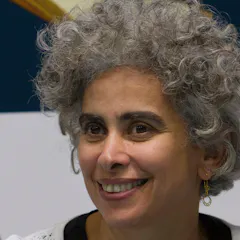
From dubious guests of honour from oppressive states to allowing far-right publishers to show, Frankfurt Book Fair’s political stances have been all over the place.
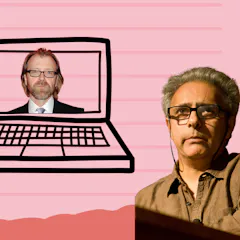
So many authors are creating Substack newsletters – from Bri Lee’s magazine-like News & Reviews, to George Saunders’ writing tips and Hanif Kureishi’s reflections on being paralysed. But can it last?

The legal ruling against the Internet Archive has come down in favour of the rights of authors.
A private equity firm’s acquisition of a major publisher could be an opportunity to reinvigorate the industry.

Secondary publishing rights could facilitate immediate open access to publicly funded research and foster global innovation and discovery.
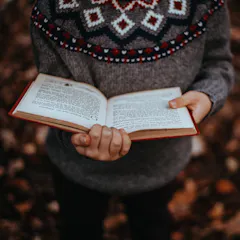
Authors and publishers are worried about the threat of AI – and they’re fighting back. But there are still important ways human authors can’t be replaced with machines.
Christopher Glasl’s withdrawn memoir of his time in Special Operations Group raises questions about publisher fact checking. How do they do it? And can it be improved?
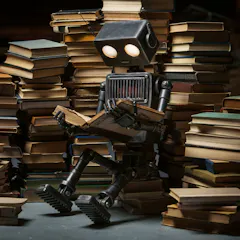
Mona Awad and Paul Tremblay’s lawsuit claims their books were used without their consent. But copyright protection doesn’t apply to ideas – they’ll need to demonstrate the likelihood of economic loss.
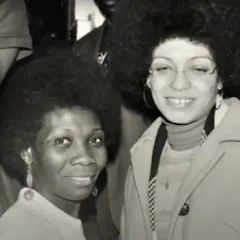
Community-produced newsletters informed newcomers of the local shops, clubs and bars that were most welcoming to Caribbean migrants.

The outrage misdirected at Lolita – and its author – does nothing to negate the realities it reflects. Reading Nabokov’s novel now raises questions about censorship, book banning and human nature.
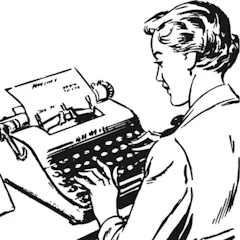
Many of these women worked hours to make the work of psychiatrists accessible to a general readership without any recognition
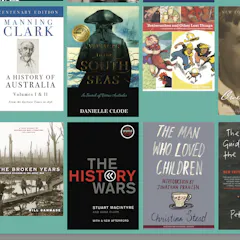
Privately commissioned histories are a strange literary beast. In MUP: A Centenary History, Stuart Kells does a fine job, but doesn’t quite resolve the matter of maintaining authorial independence.
Author Anthony Horowitz felt “hurt” when advised by a sensitivity reader on his representation of a Native American character.

What is the responsibility of the publisher – and the many readers hungry for trauma memoirs – towards the authors who re-live their trauma to write their books? Some are calling for a new approach.
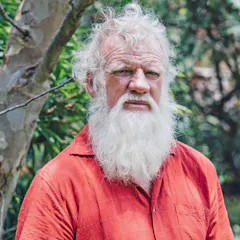
Our research team tracked the impact of Dark Emu, Bruce Pascoe’s bestseller, over five years. We measured its value across a range of criteria, from financial to environmental.
A romance writer’s bizarre fake death has gone viral. That her being alive stayed undetected for 2.5 years reminds us that our online and published personas are still separate from real life.
Candice Carty-Williams’ Queenie navigates dating as a Black woman, living in a Black body, and what it’s like to straddle two cultures while never really feeling as though you fit.
A new survey of Australian authors finds that while author incomes have (very slightly) grown, they remain perilously low – which makes it hard to find time to write.

What are the consequences of book publishing’s invisible workforce – for respect, wages and diversity? Alice Grundy suggests it’s time for book editors to be more visible.
Top contributors
-

Senior Lecturer, Writing, Department of Media and Communication, Swinburne University of Technology
-
Professor in Publishing Studies, University of Stirling
-
Senior Lecturer, Department of Media and Communications, University of Sydney
-
Visiting Fellow, School of Literature, Language and Linguistics, Australian National University
-
Faculty Research Manager, Macquarie University
-
Distinguished Professor of Economics, Macquarie University
-
Senior Lecturer, Department of Economics, Macquarie University
-
Senior Lecturer, Literary Studies and Creative Writing, Monash University
-
Director, Monash University Publishing, Monash University
-
Lecturer, Publishing, The University of Melbourne
-
Assistant Professor of Journalism, University of Colorado Boulder
-
Professor, Queensland University of Technology
-
Adjunct Associate Professor, University of New England
-
ARC Future Fellow; Professor; Director, Intellectual Property Research Institute of Australia, The University of Melbourne
-
Senior Lecturer, Creative Writing and English, Edith Cowan University