
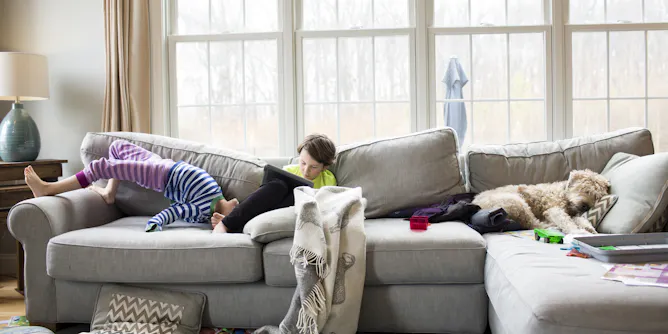
For US parents, the health, economic and social crisis the COVID-19 pandemic brought about is compounded by the difficult if not impossible task of working, caring for and educating kids.
Articles on Public schools
Displaying 101 - 120 of 172 articles

In about two in three US families with two parents, both are working or looking for a job. That makes caring for kids when schools and day care providers are closed hard if not impossible.
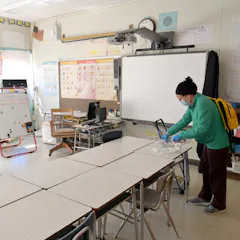
Making classrooms, cafeterias and other spaces less crowded will be essential. There are two main ways to do that.
The Education Department is reinterpreting rules Congress wrote for how public school systems should share federal dollars with private schools.
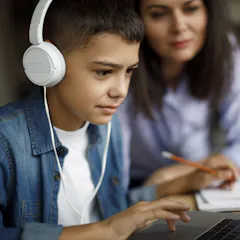
This real-time snapshot of the digital divide illustrates why education experts are concerned that school closures could increase achievement gaps.
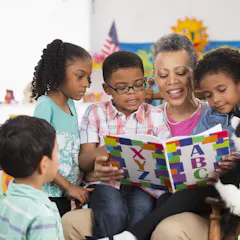
A federal court with jurisdiction over Kentucky, Michigan, Ohio and Tennessee found that the state governments have a legal obligation to ensure that children can learn how to read.
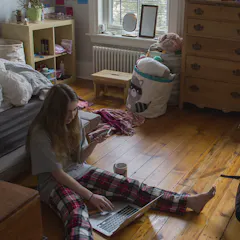
As long as teachers are creative and resourceful, kids will keep learning. What’s less clear is how schools will make up for the lost time if they remain closed for several months or longer.
So far, children have not been as sickened by the coronavirus as adults. So why do officials talk about closing schools? And what does this mean for you as a parent? A public health expert explains.

Private schools are set to get a boost of billions under a new formula that links government funding to parents’ incomes rather than the socioeconomic profile of where they live.
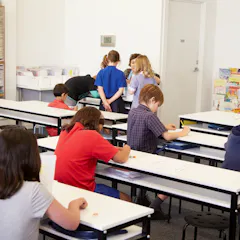
A scholar of intensive after-school ‘hyper education’ says it’s becoming a more common extracurricular activity for children of all ages.
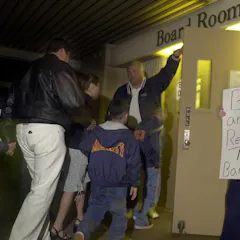
There’s a long history of books being banned from public and school libraries.
From being subjected to harassment and threats to getting assaulted or having their cars keyed, many American teachers are being victimized.
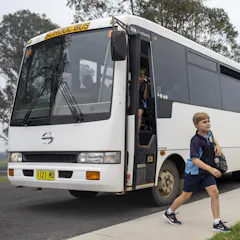
A team of researchers have developed a method in which Australian children can have access to schools outside their catchment area.
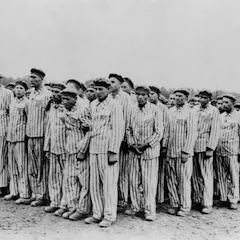
The Never Again Education Act is meant to make Holocaust education more prominent in America’s schools. A scholar of Holocaust studies explains why that’s necessary.

Prince was a musical genius, but he didn’t come of age in a vacuum. A human geographer explains how Minneapolis’ unique musical culture nurtured and inspired the budding star.
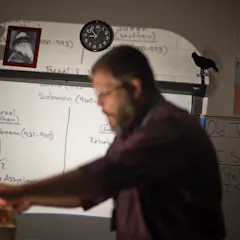
At least six states have permitted the study of the Bible in classrooms, which could reignite a 19th-century debate that split US Protestants into liberal and conservative camps.
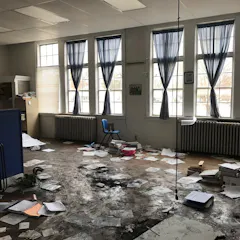
Often schools close out of a belief that taking this step will save money and help students. Whether or not those benefits materialize, there are downsides for the locals.
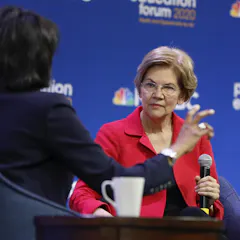
Biden, Sanders, Warren and other candidates are calling for a substantial and unprecedented spending boost.
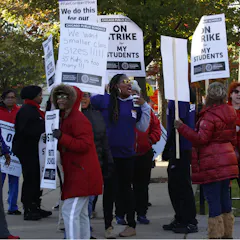
Teachers’ unions often say they go on strike to improve conditions for students. A closer look at recent walkouts suggests they are also fighting for something else: membership.
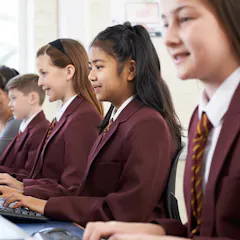
There’s no evidence that private schools produce better results than state schools for equivalent pupils.
Top contributors
-

Joseph Panzer Chair in Education and Research Professor of Law, University of Dayton
-
Associate Professor in Education, Deakin University
-
Associate Professor in Educational Leadership, Australian Catholic University
-
Professor of Education Policy, Michigan State University
-
Professor of Educational Leadership and Policy Studies, Wayne State University
-
Professor of Education Policy and Economics, Michigan State University
-
Susan S. Engeleiter Professor of Education Law, Policy and Practice, University of Wisconsin-Madison
-
Adjunct associate professor, Southern Cross University
-
Assistant Professor of Educational Policy & Leadership, University of Nevada, Las Vegas
-
Professor of Law, University of South Carolina
-
Associate Professor of Intellectual Heritage, Temple University
-
Assistant Professor of Education, George Mason University
-
Associate Professor, The University of Melbourne
-
Professor of Public Administration and Policy, American University School of Public Affairs
-
Professor of Political Science, Fordham University