
A proposed Trump administration rule aimed at quashing diversity efforts could jeopardize the nonprofit status of private schools. It could take effect in mid-2027.
Articles on Private schools
Displaying 1 - 20 of 127 articles

A lack of regulation raises concern about educational quality as well as children’s safety.
The Coalition wants to looks at ‘what works’ in Indigenous education and ‘roll it out more broadly’ .
In our age of ‘hyperpolitics’, what does meaningful change look like? Anton Jäger’s buzzy new book has some answers – but could go harder on neoliberalism.

We know more students are going to private schools, even though fees can be steep and families might need outside help to afford them.
The largest proportion of students attending private schools in New South Wales is still in major cities. But inner regional areas are catching up.
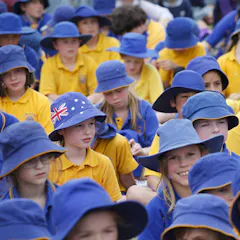
Rich Kid, Poor Kid highlights the urgency and devastation of the school funding problem in Australia.
While the legal route from independent to state provision technically still exists, it has largely fallen out of use, with no conversions taking place since 2017.
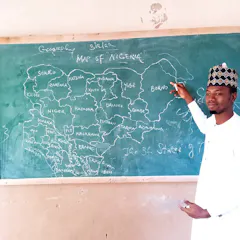
Stronger public investment is needed so families are not forced to pay privately for basic education.
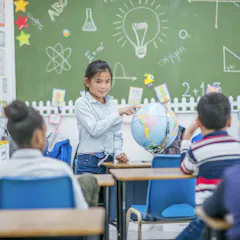
Two legal scholars argue that public education helps the US maintain the nation’s fundamental values of equality and fairness – and recent attacks put them at risk.
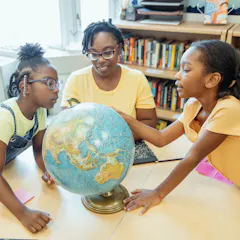
Modern school voucher programs, publicized as a tool to provide education options for low-income families, have harmed majority Black schools.

Public school funding could take a hit if the US Supreme Court opens the door to religious charter schools, a scholar of education law argues.
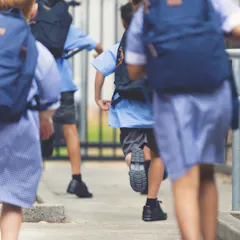
During the election we can expect to hear about school funding. This is one of the most contentious areas of education policy – and one voters care deeply about.

About 37% of Australian students now go to a non-government school.

Over the past two decades, the number of students attending independent schools has grown faster than those attending public schools, particularly in high school.

In a new study, school principals speak about how a major part of their jobs is applying for grants. This is because their schools do not have enough basic funds.
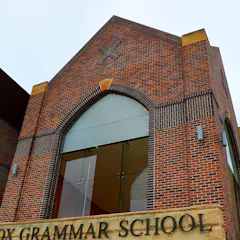
The richest 1% of schools get 36% of the support delivered through tax-deductible donations, a situation the Productivity Commission wanted to end.

Australian households contribute way more to the costs of children’s schooling than the OECD average. This is due to the numbers of students attending private schools and paying high fees.

If schools raise fees, parents may choose to send their children to state schools instead.

New South Wales private school teachers are pushing for a pay rise with the help of their union. They want up to 7% more than their public school colleagues.
Top contributors
-

Associate Professor in Education, Deakin University
-
Associate Professor in Educational Leadership, Australian Catholic University
-
Adjunct associate professor, Southern Cross University
-
Professor of Education, University of Sydney
-
Professor of Education Policy and Comparative Education, Murdoch University
-
Professor of Education and Public Policy, Durham University
-
Senior Lecturer in Education, University of New England
-
Lecturer in Gender and Cultural Studies, University of Sydney
-
Professor of Social Impact, University of Technology Sydney
-
Professor of Law, University of South Carolina
-
Professor of Education Policy, Michigan State University
-
Associate Professor, Health Education & Professional Practice, University of Sydney
-
Director of Education, Wales Institute of Social and Economic Research Data and Method, Cardiff University
-
Professor of Labour Economics and Skills Development, UCL Institute of Education, UCL
-
Lecturer, Communication and Conflict Management, Mount Kenya University