

For many female runners, the feeling of liberation that running can bring is marred by the ever-present threat of street harassment and violence. It’s a major obstacle to running participation.
Articles on public places
Displaying all articles
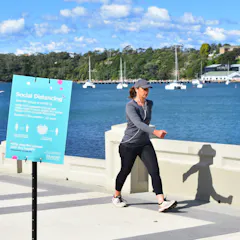
The Gender Equality Act in Victoria creates an obligation to understand how gender affects needs and experiences, and to design, assess and manage public spaces so women feel safe in those places.

Most of the activities that define city life we do together. Now that we are having to get used to more isolated lives, will this have lasting social impacts or will city life resume as before?

Having a public playground in your neighbourhood can add value to your property.

ParentsNext requires places like libraries and public pools to monitor parents’ attendance at activities. This undermines their role as spaces of inclusion and support.
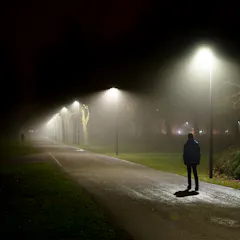
Bright lighting alone does not make a space feel safe. It can blind and disorientate and create dark shadows at the edges. Tellingly, ‘unsafe’ places had much higher illuminance than ‘safe’ places.
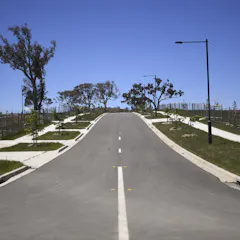
A sense of place matters for people and communities. When a suburb is created from scratch, close attention needs to be paid to the cues from the landscape and meanings people attach to the area.
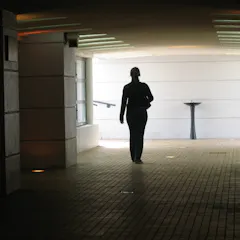
As they return to classes, a survey finds nearly half of female tertiary students in Melbourne don’t feel safe using public transport at night. And 79% have been sexually harassed or victimised.
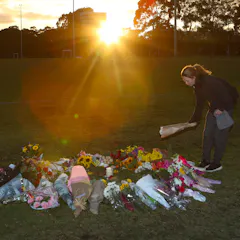
Australia has guidelines for designing safe parks, but the stories of many women show these are not enough. We must involve women in co-designing these shared public spaces.
Top contributors
-

Director, XYX Lab, and Professor, Faculty of Art, Design and Architecture, Monash University
-
Professor of Economics and Director, Tax and Transfer Policy Institute, Crawford School of Public Policy, Australian National University
-
Research Officer, Australian National University
-
Postdoctoral research fellow, The University of Melbourne
-
Research Officer, Faculty of Architecture, Building and Planning, The University of Melbourne
-
PhD Candidate and Sessional Tutor, The University of Melbourne
-
Research Support Officer, XYX Lab:Gender and Place, Monash University
-
Lecturer, Department of Design, Monash University
-
Associate Professor, Faculty of Medicine and Melbourne School of Design, The University of Melbourne
-
Housing Policy Researcher, Expert Advisor, Housing Assessment Resource Tools and Adjunct Professor, L’Université d’Ottawa/University of Ottawa
-
Associate Professor in Criminology, Deakin University