
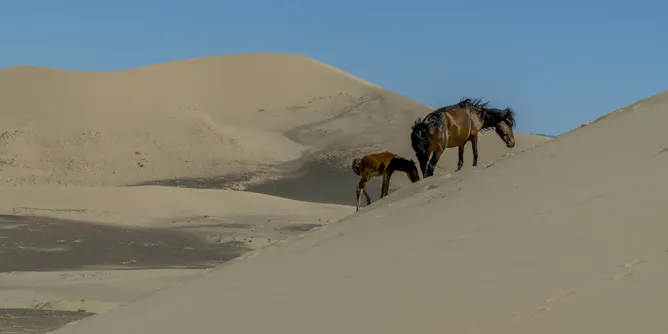
New analyses of bones, teeth, genetics and artifacts suggest it’s time to revise a long-standing hypothesis for how humans domesticated horses.
Articles on Przewalski’s horse
Displaying all articles
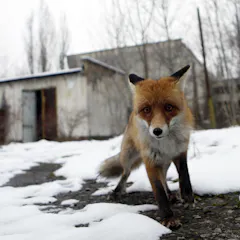
Heavy military vehicles may have kicked up radioactive soil around Chornobyl, and with fighting nearby there’s a danger of harming the concrete shelter containing the radiation of the leaking reactor.
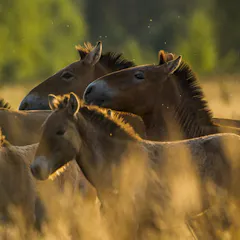
Wild horses native to the steppes of Asia live now in the Chernobyl Exclusion Zone (Ukraine), with an expanding population, 34 years after the nuclear accident.
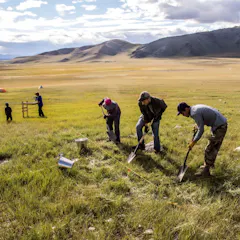
Archaeologists have long argued over when and how people first domesticated horses. A decade ago, new techniques appeared to have provided answers – but further discoveries change the story again.

The initial impact of the catastrophe on nature was important, but the exclusion zone has now become a natural reserve.

A new study of ancient Botai horses turns our knowledge about wild and domestic horses on its head.
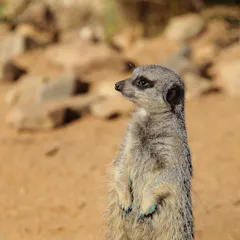
Zoos’ role in conservation is divisive, but in Australia they could be critical in securing and even recovering threatened species.
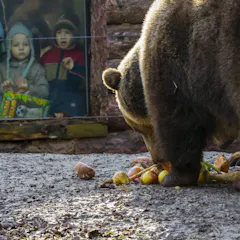
The best modern zoos focus on conservation, education and research – not entertainment.
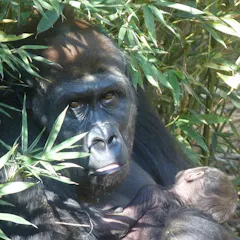
Brazilians head to the polls in October to decide on their new president. The country’s votes always produce surprises such as the election of a clown in 2010 and in 1959 the election of a rhinoceros named…
Top contributors
-

Profesor Titular de Zoología / Associate Professor of Zoology, Universidad de Oviedo
-
Assistant Professor and Curator of Archaeology, University of Colorado Boulder
-
Professor of Wildlife Conservation, University of Salford
-
Associate Professor, Griffith University
-
Professor and Canada Research Chair in Environmental Radiobiology, McMaster University
-
Professor of Zoo Animal Welfare & Legislation, Nottingham Trent University
-
Fellow, Keele University