
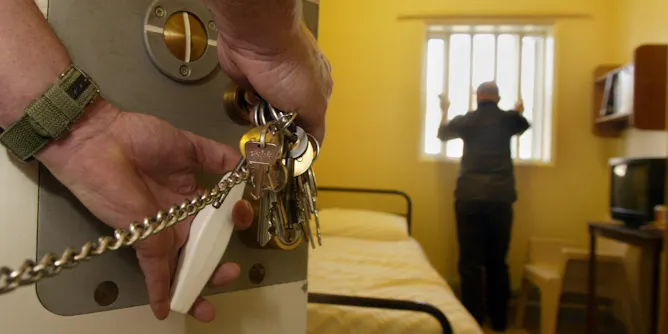
Being cooped up at home is of course far more manageable than being locked up behind bars. But people isolating due to COVID-19 are still forced to deal with some of the same problems.
Articles on Prisoners
Displaying 41 - 60 of 84 articles
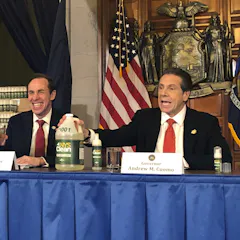
Incarcerated Americans have been tasked with washing hospital laundry, manufacturing protective equipment, disinfecting cleaning supplies and digging mass graves.
Iran and Turkey have released large numbers of prisoners. Should other countries follow suit?
Gangs are still a significant reality in US prisons. But most inmates say that their power has been watered down, and they no longer rule facilities with an iron fist.
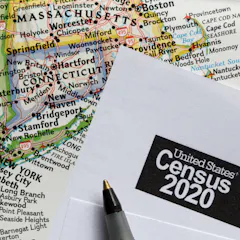
The 2020 census will now count some groups differently than it has in the past. That could make a difference in the final count – affecting which states receive funding and congressional seats.

Releasing prisoners on remand – who are entitled to a presumption of innocence – would reduce the risk of them contracting COVID-19 and the disease spreading within prisons.
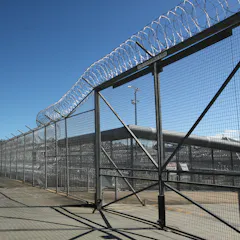
The release of lower-threat prisoners will go a long way to stopping the spread of COVID-19 among prisoners and the wider community.
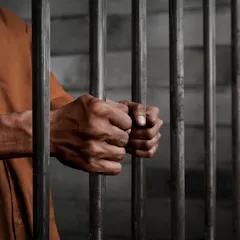
A creative writing project in South Australian prisons shows those inside can be eloquent, expressive and reflective.
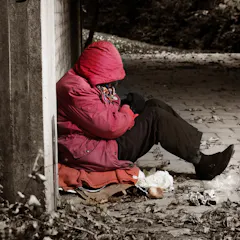
And homelessness makes reoffending more likely.

There are now more legally innocent people in jail in Victoria than there were convicted prisoners in 2005.
What does it mean to hold a party in a place with a long history of death and suffering?
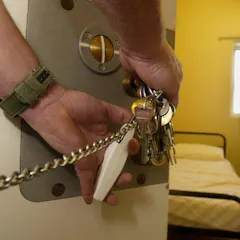
Women’s prisons have become stopgaps, a place to simply put people society does not know what else to do with.
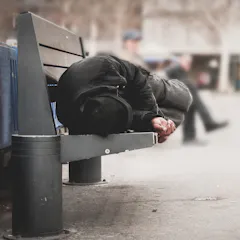
The last decade has seen a big increase in Australia’s homeless and prison population. It’s time for smarter intervention.
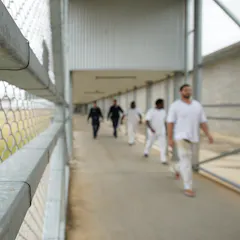
Some prisoners love and care for each other, but others physically, verbally and emotionally abuse each other. These offences can threaten safety and the good order of the prison.
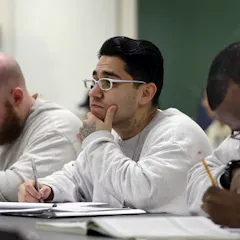
Through stories of redemption, a professor who oversees a Maryland prison education program says the time has come to restore federal financial aid for America’s incarcerated.

Negative statistics about black students may be prevalent, but they are often out of context, misleading or just plain wrong, a professor of counseling psychology argues.
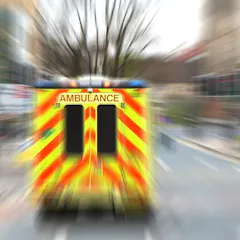
Simulating real-life disaster situations helps students develop physical and emotional resilience and leadership skills.
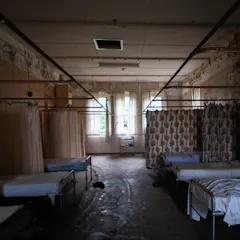
Asylums were once designed to aid mental recovery – perhaps modern prisons should take note.
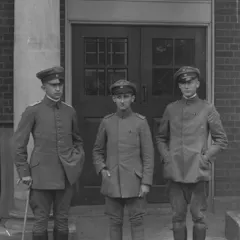
In September 1917, 22 German World War I prisoners held at a camp just outside Nottingham, managed to escape.
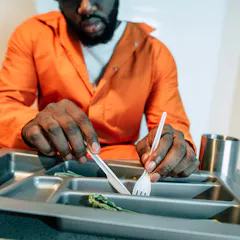
Turning prisons into a market opportunity could open them up to corruption.
Top contributors
-

Professor of Entrepreneurship and Innovation, University of Strathclyde
-
Professor of Law, University of Technology Sydney
-
Assistant Professor of Sociology, University of Houston
-
Professor of Criminology, Australian National University
-
Assistant Professor, Department of Business-Society Management, Rotterdam School of Management
-
William Nelson Cromwell Professor of Jurisprudence and Political Science, Amherst College
-
Professor of Criminology, University of Bath
-
Emeritus Professor, University of South Africa and Visiting professor and strategic advisor in Faculty of Humanities., University of Johannesburg
-
Dean of Research (Creative), Adelaide University
-
Lecturer in Nursing, University of Dundee
-
Distinguished Fellow, Bard Prison Initiative and Levy Institute Research Professor, Bard College
-
Senior Lecturer in Leadership Studies, University of Exeter
-
Honorary Fellow, Department of Health Sciences, University of York
-
Dean, School of Law, Deakin University
-
Reader & Director of MANDRAKE, Manchester Metropolitan University