

Introducing companion animals to South African prisoners and encouraging them to write could aid their rehabilitation.
Articles on Prison reform
Displaying 21 - 40 of 44 articles

A wealth of research suggests prisons have serious detrimental effects on prisoners and prison workers.

If the UK is to break the cycle of reoffending, it needs to meet the basic needs of young people in prison and respect the basic human right of adequate nutrition.

These partnerships between investors, governments and nonprofits are a new way to pay for programs and services that help people in need and address intractable problems like mass incarceration.

Experiencing homelessness increases the risk of criminal justice system involvement, and experiencing imprisonment increases the likelihood of homelessness.

Mass incarceration harms the health of prisoners, their families and the people who work in detention centers.

Architecture can affect behaviour and the choices we make. The brief is out for a centre to replace the Don Dale facility, but word is, it’s ‘a disgrace’. We can do much better.
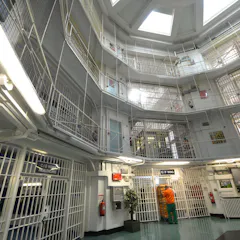
A new reform bill will not fix the prison problem: too many people are being incarcerated.

Problems in the UK prison system go back decades, if not centuries.

If we are serious about rehabilitating prisoners and reducing reoffending, then education and integration back into the community are vital. Today, internet access is essential to achieve that.

To reduce female recidivism rates, we need to address inmates’ histories of trauma and abuse.

Australia female prison population has soared but many are jailed for minor offences. The UK’s radical approach to women and prison, outlined in the 2007 Corston report, offers a model for Australia.

Healthy, engaged people and communities will be crucial for a prosperous future for New South Wales. Here are four areas of policy focus that will help achieve that.
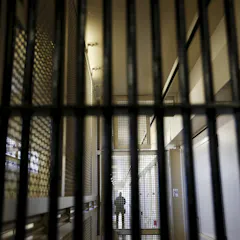
Case management from nurses combined with peer coaching from ex-offenders helps recently released parolees avoid the behavior that got them locked up in the first place.

New research from Vanderbilt University looks at the effects of mass incarceration on a little studied population: formerly imprisoned African-American men.

The UK government’s move to electronically track criminals on parole shows how wearable technology can become a virtual prison.

It got top billing in the Queen’s speech but is anyone actually any clearer on what the government’s prison reforms are?
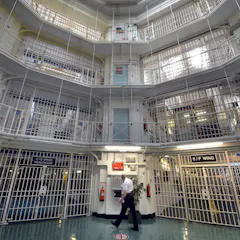
Closing Victorian jails is an opportunity to create prisons that benefit inmates – and society.

In the 1970s, California Governor Jerry Brown helped pioneer mandatory sentencing. Now he’s working to overturn the practice.
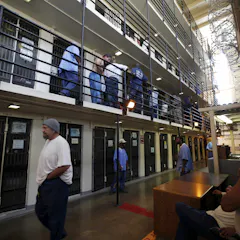
Even though mental illness is consistently associated with criminal behavior, these conditions are largely undertreated in our prison system.
Top contributors
-

Criminology, The Open University
-
Associate Professor of Sociology, University of Hawaii
-
Assistant Dean of Graduate Programs, Kroc School of Peace Studies, University of San Diego
-
Senior Lecturer, Political Science and International Relations, University of Canterbury
-
Research fellow, North-West University
-
Professor of Law, Swinburne University of Technology
-
Senior Lecturer in Economics, University of Sydney
-
Human Resource Management PhD Researcher, University of the West of England
-
Professor and Shapiro Chair of Public Policy and Public Administration, Trachtenberg School, George Washington University
-
Professor of Contemporary Philosophy and Literature, Brunel University of London
-
Professor, Head of the Discipline of Accounting, Governance and Regulation, University of Sydney Business School, University of Sydney
-
Associate Professor, UNSW
-
Professor and Associate Dean for International Research and Scholarly Activities, School of Nursing, University of California, Los Angeles
-
Professor of Criminal Justice and Corrections, University of California College of the Law, San Francisco
-
Assistant Professor of Epidemiolgy, University of Texas Health Science Center at Houston