

Compared with today’s structured literacy and standardised testing, the 1953 reading syllabus was a remarkably non-prescriptive blueprint for both teachers and pupils.
Articles on Primary schooling
Displaying all articles
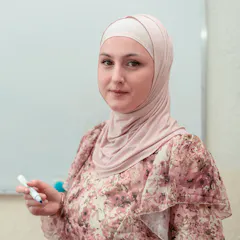
Australia’s teachers are predominantly Australian-born, female, and non-Indigenous. Most hail from middle-class backgrounds with urban upbringings, and are less likely to have disabilities.

You stayed up all night to make a Book Week costume – but now your child won’t wear it. In fact they don’t want to go at all. Here are some ideas to try.

It’s counterproductive to push your child to read a whole chapter book independently if they are not ready. You might turn them off reading altogether. Here’s what to do instead.
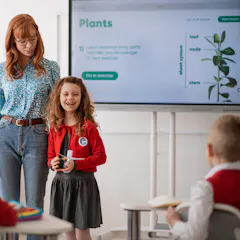
It’s important to keep in mind public speaking has two parts to it: writing the speech and delivering it.

The number of content descriptions of what teachers should teach and what students should learn has been cut by 21%. In primary school geography, 50% of these descriptions have gone or been reduced.

Students in Year 3 had slightly higher results in NAPLAN if they were held back. By Year 9 students who were held back did no better on NAPLAN tests than those sent when first eligible.

Taking everyday lessons outside can improve well-being and engagement, yet it is not as used as often as it could be.

It has been predicted we will need 1,627 more classes for primary students nationally before 2025, and to respond to this demand we need to fix the gender imbalance in the teacher workforce.

When to start their child at school is often a stressful decision for parents, and there is a need for more support for them in making that choice.
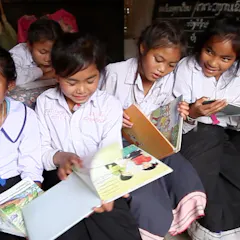
Here’s how cultural practices are playing a role in many countries in incentivizing parents to educate their girls.
Top contributors
-

Senior Lecturer, School of Early Childhood and Inclusive Education, Queensland University of Technology
-
Lecturer - Scholarship of Learning and Teaching, Queensland University of Technology
-
Assistant Professor of Economics, University of Toronto
-
Senior Lecturer, Education Policy and Leadership, The University of Melbourne
-
Senior Lecturer, Macquarie University
-
Senior Lecturer, School of Education, University of New England
-
Professor in Public Health Data Science, Swansea University
-
Adjunct lecturer, Linguistics, University of Adelaide, Adelaide University
-
Professor of Learning Intervention, The University of Melbourne
-
Senior Lecturer in English, Literacy and Language Education, University of New England
-
Senior Lecturer in Education, University of New England
-
Postdoctoral research fellow, University of New England
-
Researcher in Child Health and Well-being, Swansea University
-
Associate Professor in Language in Education, University of Wollongong
-
Lecturer in Education, Swansea University