
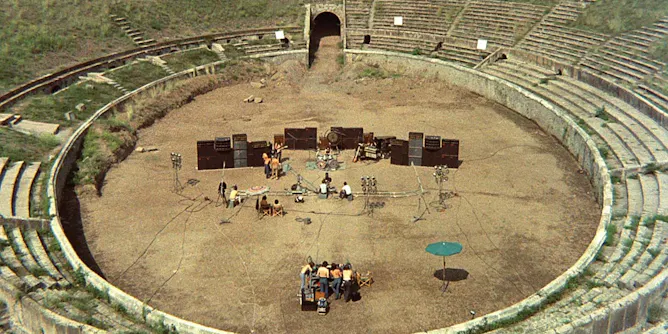
The 1972 concert film Pink Floyd Live at Pompeii, back in cinemas this week, would change the way many thought of Pompeii.
Articles on Pompeii
Displaying 1 - 20 of 29 articles
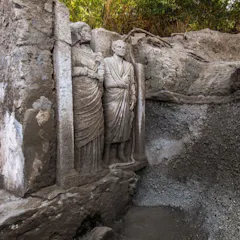
This woman might have been a priestess of the goddess Ceres.

Around the world, museums are grappling with the question of what to do with human remains. This includes lifelike copies of those who may have died traumatically.

A rare sequence of heating and cooling triggered the chain of chemical reactions that turn organic material into glass.

Pompeii: Inside a Lost City at the National Museum of Australia depicts life in the flourishing Roman city of Pompeii before it was destroyed by the eruption of Mount Vesuvius in 79 CE.
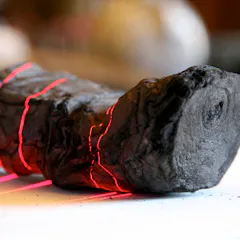
Scrolls from Pompeii could now be read for the first time in 2,000 years.
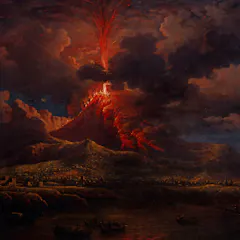
The story of the eruption of Mount Vesuvius is no longer one of annihilation; it also includes the people who managed to escape the city.
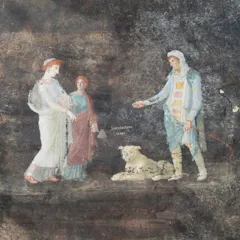
The paintings show the trio of women from Greek myth in a way that makes us see the Trojan War myth anew.

The story of how a ‘new Pompeii’ was built is far less well known than that of the ancient city.

However exciting the technological developments may be, the task of reading and analyzing the Greek and Latin texts recovered from the papyri will fall to human beings.

Sexuality in Ancient Rome was more preoccupied with power dynamics than it was with gender – as an expert in visual cultures of sexuality explains.
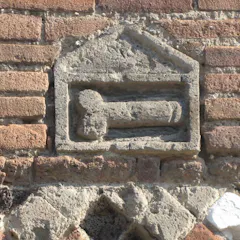
Pompeii is remembered as a place of surprising liberality – but the ‘masturbating man’ is probably a far less lurid tale than assumed.
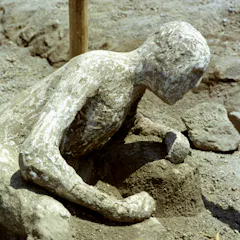
While they weren’t living through a pandemic, citizens of ancient Pompeii weren’t strangers to societal stress.
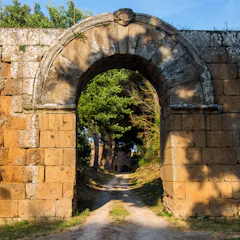
New technology mapped the buried ancient Roman site of Falerii Novi. Now archaeologists have started targeted excavation and soil testing to reveal details of life from more than 2,000 years ago.

Research into the bodies of victims of the Vesuvius eruption show how pyroclastic flows affect the human body.
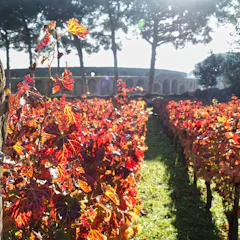
Pompeii was so famous in the ancient world for its wine other regions made counterfeit wine, sold in imitation ceramic jars.
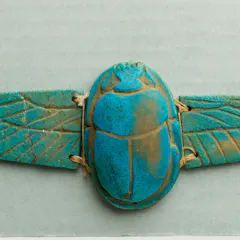
Believed to possess magical qualities, amulets were once widely used. They range from amber pendants worn during Denmark’s Mesolithic age to wind chimes found at Pompeii.
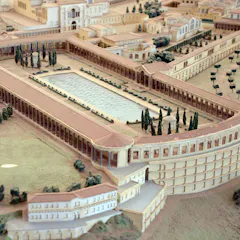
The plants a Roman chose could say a lot about the person they were.

Words are as important as pictures for helping us come to terms with such a huge cultural loss.
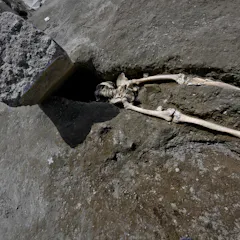
Excavations on the site of Rome’s greatest natural disaster can tell us a lot about attitudes to death.
Top contributors
-

Lecturer in Archaeology and Classical Studies, Adelaide University ; School of Advanced Study, University of London
-
Honorary Professor of Classics and Ancient History, School of Historical and Philosophical Inquiry, The University of Queensland
-
Senior Lecturer in Classics, University of Exeter
-
Head, Public Engagement, Chau Chak Wing Museum, University of Sydney
-
Professor of Health Psychology, University of Surrey
-
Doctoral Researcher in Classics, Trinity College Dublin
-
Senior Lecturer in Classical Studies, The Open University
-
Professor of Classical Studies, Brandeis University
-
Senior Lecturer in Classical Studies, The Open University
-
Assistant Professor of Literature and History, University of Warwick
-
Doctor of Philosophy, The University of Melbourne
-
Associate Professor of Geosciences; Director for the Boise State Hazard and Climate Resilience Institute, Boise State University
-
Professor of Gender Studies, Chair in Sex Media and Sex Cultures, Linköping University
-
Associate Professor of Classics, University of Manitoba
-
Professor of Classics, Miami University