
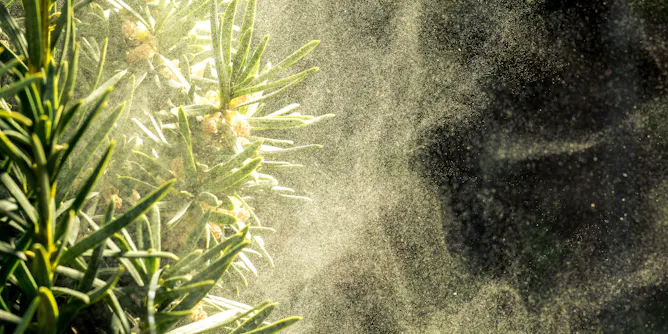
Pollen can become preserved in sediment deposits over thousands, or even millions, of years.
Articles on Pollen counts
Displaying all articles
Rising temperatures mean longer, earlier pollen seasons, but a bigger problem is what more carbon dioxide will do to the amount of pollen being released.
A third La Niña event in a row could bring dangerous conditions for people with allergies – but we’ll need better continuous monitoring to be sure what’s coming in the future.

Scientists are building a pollen forecasting model using meteorology, botany, pollen count numbers and satellite imagery to help people plan ahead.
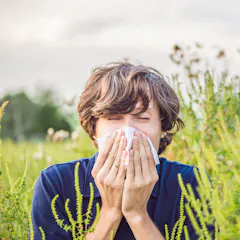
Pollen counts focus on the amount of grains in the air, but it could be the species that are more important.
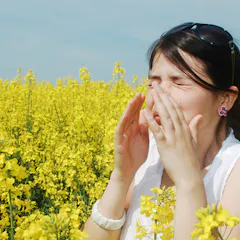
Pollen is ancient, but in recent times, it’s getting worse. An allergist offers ways to manage the suffering and enjoy the spring.
Top contributors
-

Respiratory Allergy Stream Co-chair, National Allergy Centre of Excellence; Professor and Head, Allergy Research Group, Queensland University of Technology
-
Professor, University of Technology Sydney
-
Associate Professor and Environmental Health Scientist, Macquarie University
-
Clinical Assistant Professor, Allergy/Immunology, The Ohio State University
-
Professor in Molecular Ecology, Bangor University
-
Professor of Atmospheric Science, University of Michigan
-
Postdoctoral Research Officer, Bangor University
-
Senior Research Fellow, Nelson Mandela University
-
Ph.D. Student in Atmospheric Science, University of Michigan
-
Postdoctoral Researcher, Center for Health and the Global Environment, Environmental and Occupational Health Sciences, University of Washington