

Powerful AI tools available to anyone with an internet connection make it easy to impersonate someone’s voice, increasing the threat of phone scams.
Articles on Phishing
Displaying 21 - 40 of 57 articles

Email fraud is getting more personal.

Scam techniques that rely on human nature are increasingly being executed via technology. Here are five that recorded big increases in 2021.

One of a hacker’s most valuable tools is the phishing attack, and you might be unwittingly making the hacker’s job easier by leaving useful information about you online.
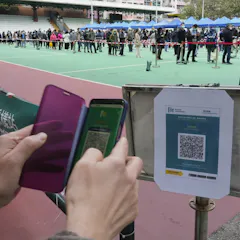
Here’s what happens when you scan one of those ubiquitous two-dimensional black-and-white patterns, and why the FTC urges you to use caution.
Data breaches have become a fact of life. Here are articles from The Conversation that detail the threat, why it happens and what you can do to protect yourself.

Weirdness is a clue about fraudulent email messages. But it takes more than a sense that something’s wrong to get people to investigate.

An increasing number of cyberattacks threaten critical infrastructures. These attacks exploit weaknesses in outdated and insecure systems.
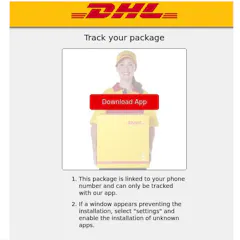
Australians are being bombarded with ‘missed parcel’ SMS messages that aren’t as they seem…
Crude text scams, sent en masse, only have to work a handful of times to make criminals significant sums of cash.
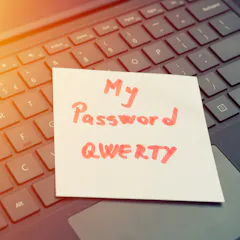
If you’re reluctant to share your password, or broadcast a team password in Slack in a groupchat, your instincts are correct. But mocking those who ‘do the wrong thing’ is unlikely to help.

Sophisticated fake social media personas created by North Korean hackers offered to collaborate with cybersecurity researchers. Several US researchers fell for it.

There has been a dramatic spike in identity theft and online shopping scams this year as fraudsters try to take advantage of people’s vulnerability during uncertain times.

With so many people working from home on vulnerable networks and set-ups, cybersecurity is a growing concern.
Emails offering advice about COVID-19 might actually be “phishing” attacks trying to steal your data.

Beware the #WorkFromHome selfie.
Co-opting internet-connected devices could disrupt transportation systems on Election Day, stymie political campaigns, or help make information warfare more credible.

Remember when websites didn’t rely on user data for profit margins, when values like anonymity and transparency were celebrated?
A recent leakware attack targeting Johannesburg was the second of its kind ever recorded. Hackers demanded A$52,663 worth of bitcoins, in return for not releasing senstivie civilian information.

Research shows we’re pretty gullible as it is. And our increasing reliance on machines for completing everyday tasks makes us all-the-more vulnerable to being exploited.
Top contributors
-

University at Buffalo
-
Professor of Cyber Security Practice, Edith Cowan University
-
Associate Professor, School of Computer Science and Informatics, De Montfort University
-
Associate Dean (Learning & Teaching) Faculty of Creative Industries, Education and Social Justice, Queensland University of Technology
-
Associate Professor in Cyber Security, Adelaide University
-
Professor, Stellenbosch University
-
Associate Professor of Information and Operations Management, Texas A&M University
-
Senior Lecturer, Department of Psychology, Aberystwyth University
-
Associate Professor in Auditing at the School of Accountancy, Stellenbosch University
-
Associate Professor of Information Science and Cybersecurity, University of Wisconsin-Madison
-
Senior Lecturer, University of the Witwatersrand
-
Professor of Cyber Security, Tallinn University of Technology
-
Associate Director of Future Technologies, RMIT University
-
Professor of Business Law and Ethics, Indiana University
-
Research Associate Professor of Computer Science, Dartmouth College