
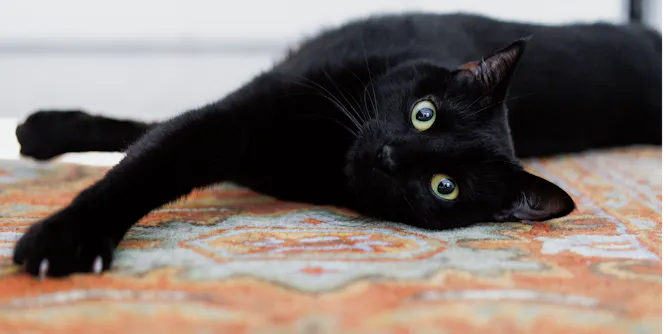
Natural selection changed just 13 genes to separate your Felix and Fluffy from their African wildcat ancestor.
Articles on Pets
Displaying 141 - 160 of 407 articles
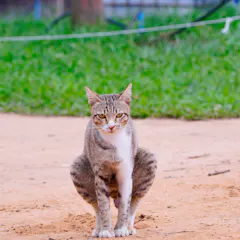
It might surprise you to know we share our cities and towns with a huge range of native animals. But dog and cat poo can signal to wildlife that predators are about and they should stay away.
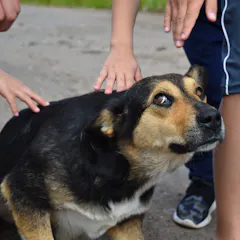
Children under 5 years old may easily mistake a dog showing teeth for one that’s giving them a “friendly smile”.
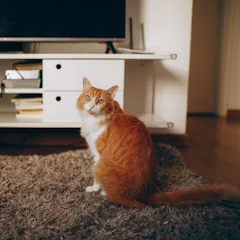
Unfortunately, a rhetoric has developed within public discourse that cats are manipulative, vengeful, uncaring or even psychotic. But it’s unlikely they’ve deliberately peed on your rug to annoy you.

New research exposing the surprising scale and diversity of Australia’s invertebrate pet trade online highlights the need for better regulation to protect our wildlife and manage biosecurity threats.
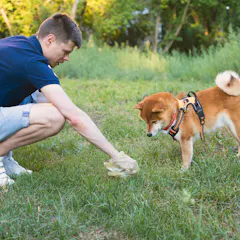
And what about the old water-bottles-on-the grass trick? Does that actually work?
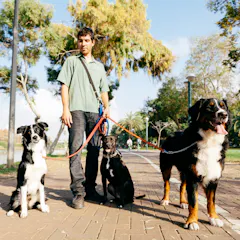
The environmental pawprint of pets is huge – and it’s mostly down to what we feed them.

Fireworks can frighten wild and domestic animals, start wildfires and affect some people’s mental health.
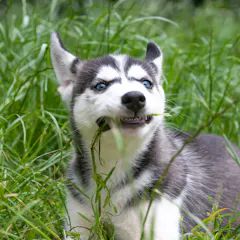
Studies in Yellowstone National Park show plant matter (mostly grass) is found in up to 74% of wolf scats, suggesting the behaviour may be inherited from the beginning of doggy time.
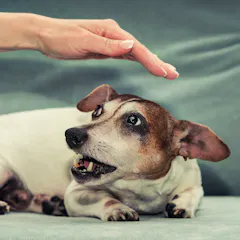
Companion dogs respond to their environments and their owners’ sense of well-being. When owners are stressed and anxious, dogs can exhibit undesirable behaviours.

Two food scientists, an entomologist, an anthropologist, a veterinarian and a historian walk into a bar (of chocolate) and tell bitter and sweet stories of this favorite treat.
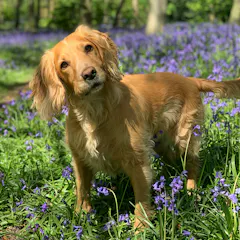
Dogs and ground-nesting birds in breeding season: why the two should never meet.
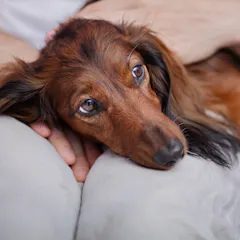
If your dog is struggling with anxiety, their brain could be wired differently. Understanding these differences can help our furry best friends.

The rising number of pets — and their importance to their owners — has prompted organizations to respond to the growing demographic of pet-owning employees.

The good news is that we can all improve our happiness levels with daily practice.
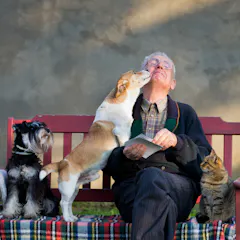
Money-saving tips for people with pets.
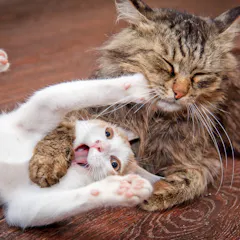
In a home with more than one cat, feline wrestling can be a common sight. But how do we know when it’s becoming a problem?
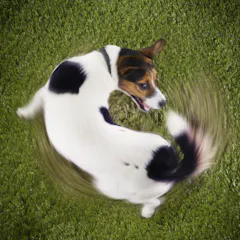
A proposed scientific name is frenetic random activity periods (FRAPs). In rabbits, these high activity periods are called ‘binkies’. But many cat and dog-owners simply call them ‘zoomies’.
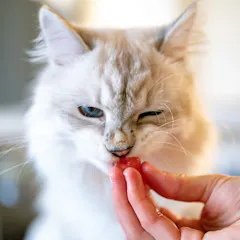
As omnivores, humans can choose to not consume any animal products. But what happens when we feed a vegan diet to our carnivore companions?
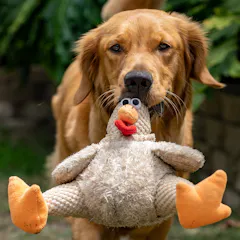
Are our animal companions showing off when they share more than toys with us? And what should we do about it?
Top contributors
-

Senior Lecturer in Animal Science, Nottingham Trent University
-
Associate Professor, School of Animal and Veterinary Science, Adelaide University
-
Postdoctoral Researcher in Veterinary Science, University of Sydney
-
Researcher, School of Animal and Veterinary Science, Adelaide University
-
Professor, School of Veterinary Science, University of Sydney
-
Senior Lecturer in Animal Science, Scotland's Rural College
-
Veterinarian, James Cook University
-
Research Associate - Pawsitive Connections Lab, University of Saskatchewan
-
Animal Geographer, Keele University
-
Lecturer in Veterinary Education, Royal Veterinary College
-
Associate Professor, Geography and Urban Studies, Western Sydney University
-
Fellow, Keele University
-
Research Fellow, Animal Welfare Science Centre, The University of Melbourne
-
Visiting Research Fellow, Animal Behaviour and Welfare, Nottingham Trent University
-
Associate professor, Queen's University, Ontario