
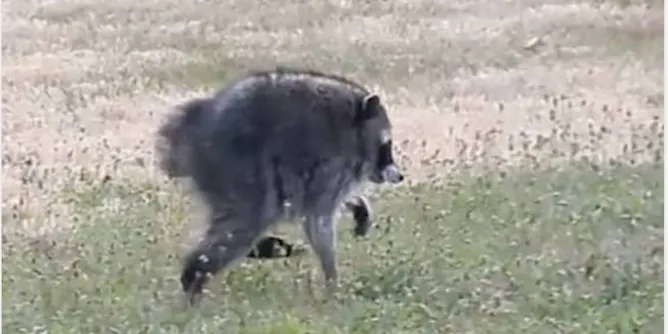
The deformity is so severe it would be extremely challenging to try and correct it surgically.
Articles on Veterinary science
Displaying 1 - 20 of 57 articles

Overcrowded homes, mismatched dog groups and sizes are the biggest drivers of dog-on-dog aggression in South Africa.
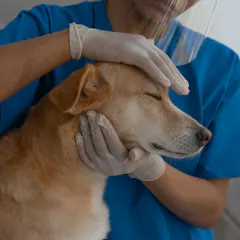
Sometimes criticism of vets is unfair – and harmful. But a new book urges us to reflect deeply on ethics in veterinary services.

Sniffing is a low-impact, low-cost and very valuable mental workout for dogs.
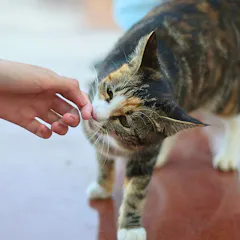
Dairy is not a natural part of cats’ diet – in fact, it can be harmful to their health.
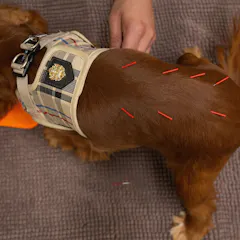
Vets use acupuncture to treat health problems in animals large and small, particularly to manage pain and reduce inflammation. A veterinary scientist explains some of its uses.

Chewing enriches the physical, psychological and emotional health of dogs in many interconnected ways.

Officials have confirmed eight new outbreaks in Michigan poultry flocks since mid-December.

By understanding the disease and the treatment options, pet owners can ensure their dogs and cats have healthy and happy lives.

There are many unhelpful stereotypes about cats. Veterinarian Anne Quain explains how seeing things from the perspective of these complex creatures can help everyone get along.

Having a dog is linked to lower risk of dying over the long term. But there can be some downsides for physical and mental health.

Pandemics often have animal origins, so prevention is often dominated by health and veterinary sciences. However, social sciences’ role in understanding human behaviour is also crucial to prevention.

Dogs might have furry coats, but they can still get cold when the temperature drops.

Horses naturally synchronise their running in groups – but ‘racing’ and ‘winning’ are human concepts.
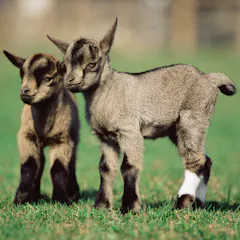
Animals often give birth to litters of more than one offspring at a time. But are those babies twins?
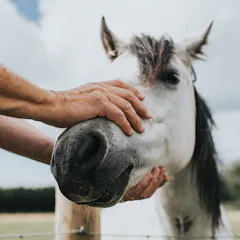
Horses and humans share biological similarities that lead them to suffer from similar endocrine and orthopedic diseases. A number of treatments that work for one species often work for the other.
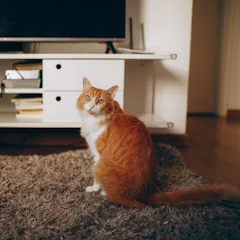
Unfortunately, a rhetoric has developed within public discourse that cats are manipulative, vengeful, uncaring or even psychotic. But it’s unlikely they’ve deliberately peed on your rug to annoy you.
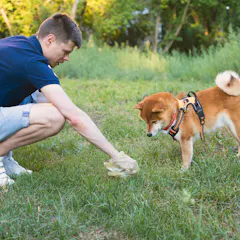
And what about the old water-bottles-on-the grass trick? Does that actually work?

While mRNA vaccines are designed to last longer in the body than mRNA molecules typically would, they are also tested to ensure they are eliminated from livestock long before milking or slaughter.
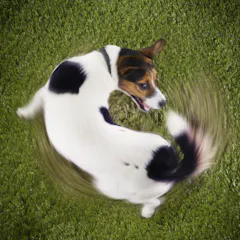
A proposed scientific name is frenetic random activity periods (FRAPs). In rabbits, these high activity periods are called ‘binkies’. But many cat and dog-owners simply call them ‘zoomies’.
Top contributors
-

Senior Lecturer in Animal Science, Nottingham Trent University
-
Postdoctoral Researcher in Veterinary Science, University of Sydney
-
Researcher, School of Animal and Veterinary Science, Adelaide University
-
Associate Professor, School of Animal and Veterinary Science, Adelaide University
-
Senior Lecturer in Animal Science, Scotland's Rural College
-
Assistant Professor in Behavioural Biology, Utrecht University
-
Assistant Professor, Animals in Science and Society, Utrecht University
-
Professor, School of Veterinary Science, University of Sydney
-
Professor of wildlife population health, University of Veterinary Medicine, Vienna
-
Professor of Organisation Studies, Lancaster University
-
Professor of Musculoskeletal Physiology, School of Veterinary Medicine, University of Surrey
-
Associate professor, Royal Agricultural University
-
Associate Professor of Companion Animal Medicine, James Cook University
-
Head of Tufts Obesity Clinic for Animals, Tufts University
-
Professor Emeritus of Behavioral Pharmacology and Animal Behavior, Cummings School of Veterinary Medicine, Tufts University