
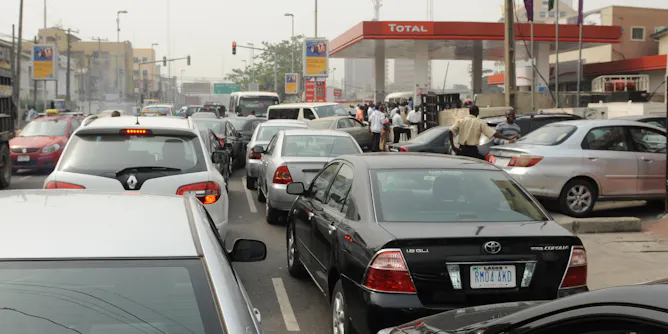
As a short term measure, modular refineries may help Nigeria with its fuel crisis. It is however not likely to be a long term solution.
Articles on Petroleum
Displaying 21 - 40 of 58 articles
Transcripts and internal documents show how the industry shifted from leading research into fossil fuels’ effect on the climate to sowing doubt about science.
Nigeria’s new petroleum law will make its petroleum industry as competitive and attractive to investors as its peers.
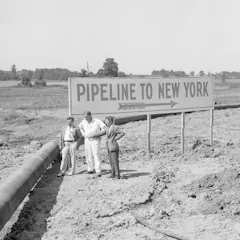
Proposals for new oil and gas pipelines can generate intense debate today, but during World War II the US built an oil pipeline more than 1,300 miles long in less than a year.
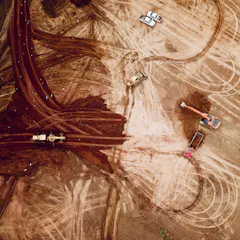
Renewables form an ever-greater share of the electricity mix. But elsewhere in the energy sector – in transport, industry and buildings – emissions reduction is very slow.
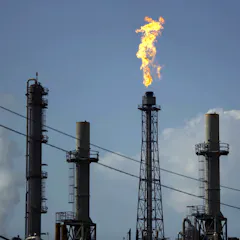
An economist and an environmental law expert explain why a tax is more palatable to the industry and better for the public than regulation.

Decommissioning offshore structures is expensive and environmentally damaging – so why is it illegal to leave them where they are?
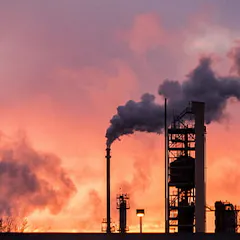
Oversight over how Ghana’s oil wealth is spent has become more important than ever.

The assassination of the Iranian general could have lasting effects on energy markets. Which countries could benefit from it and which could be negatively affected?

From May 2, any countries buying oil from Iran can expect US sanctions.

The world’s most oil-abundant nation is heading for energy consumption levels not seen since the 1990s.
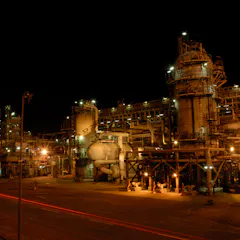
It’s too soon for South Africa to start counting its chickens over the recent offshore gas find by global energy giant Total.
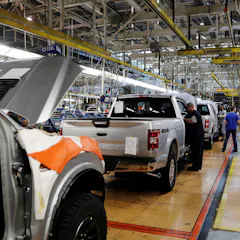
Drivers buy less gas when filling the tank burns holes in their wallets.

The oil-exporting organization may have mustered the political will to cut production, but its disunity remains intact.

One big problem with plastics is that they’re largely made of petroleum. Sourcing bio-polymers from plants and bacteria has some big benefits – and the technology is starting to take off.

Australia depends on imported fuel to keep running. We never got around to setting up an official reserve, and that means we’re already at risk.

It may be just as well the UK government scrapped its previous carbon capture competition.

Before World War I, petroleum had few practical uses, but it emerged from the war as a strategic global asset necessary for national stability and security.

Each Mardi Gras, 25 million pounds of beads hit the streets of New Orleans. One researcher went to the Chinese factories that make them – and spoke to the workers who believe the beads will be given to royalty.

To see why, one must only consider the core economic principle of supply and demand.
Top contributors
-

Visiting Adjunct Professor, African Energy Leadership Centre, Wits Business School, University of the Witwatersrand
-
Associate Professor, Adelaide Law School, Adelaide University
-
Honorary Senior Lecturer in Chemical Engineering, University of Aberdeen
-
Research Fellow, The University of Queensland
-
Lecturer in International Studies, University of Washington
-
Ghana National Petroleum Corporation (GNPC) Professorial Chair in Oil and Gas Economics and Management, University of Cape Coast
-
Honorary Fellow, The University of Queensland
-
Postdoctoral Fellow, Center for Presidential History, Southern Methodist University
-
Senior Lecturer in Security Studies, Macquarie University
-
Founder & CEO, The University of Western Australia
-
Research Fellow, Curtin University
-
Lecturer in International Political Economy, Newcastle University
-
Associate Professor of English, State University of New York Oswego
-
Postdoctoral Researcher in Bioenergy, National Renewable Energy Laboratory
-
Professor, Crawford School of Public Policy, Australian National University