
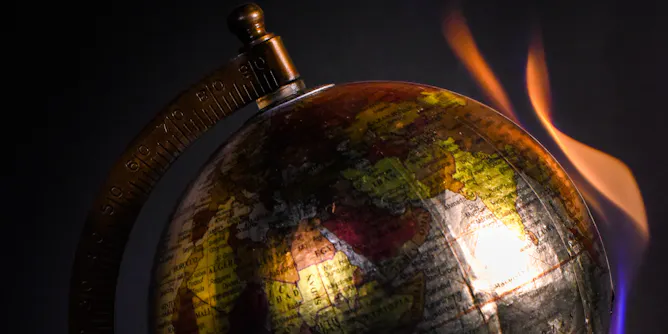
The story of oil is focused on the US. But our oil-centred world was made through wider global relations.
Articles on OPEC
Displaying 1 - 20 of 48 articles
Oil producers across the Americas have responded to the disruption in the Gulf by increasing output and exports.

An energy law expert explains what makes this group of oil-producing nations so influential.
With the Strait of Hormuz still effectively closed, prices will likely stay high in the near term. But a weaker cartel could mean more competition in the future.
UAE wants to increase its production of oil beyond the quotas it is alloted by the oil-producing cartel.
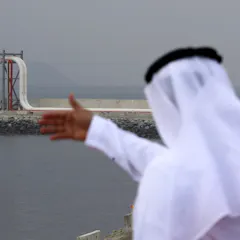
The UAE and Saudi Arabia have long been at odds over oil policy. The latest move is also likely to further their broader regional rivalry.
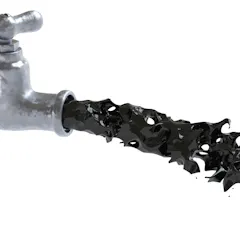
Nations’ stores of petroleum can dampen price shocks in the short term, but as reserve supplies dwindle, economic pain may continue.
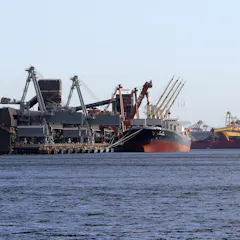
If the biggest coal exporters banned new coal mines, they could drive the shift to renewables – and benefit while they do it.
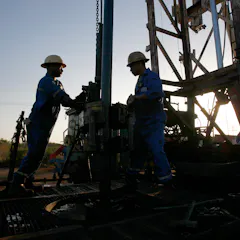
There are good reasons why Venezuela’s oil has been trading at a discount.
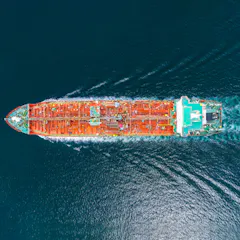
An oil surplus means that so far reaction has been muted – but disruption and rising prices could still be on the cards.

Whereas oil producers like Saudi and the UAE are spending heavily to diversify away from carbon, the same can’t be said of many other Opec members.

A spike in oil prices as a result of escalating Middle East tensions would not immediately affect Australia – but precautionary measures should be taken.
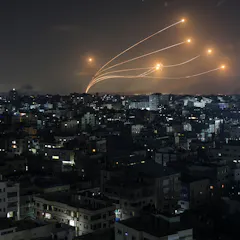
The Israel-Hamas war has had little effect on the price of oil so far because neither Israel nor the Gaza Strip produces much oil. If oil exporters got involved, things might change.
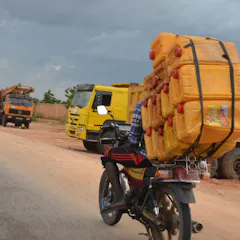
Smuggling in Uganda’s West Nile region is seen as an act of defiance – a way to make ends meet in the face of perceived state neglect.
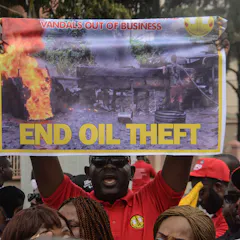
Insecurity of assets and life with declining capacity for technical and market production are responsible for Nigeria’s low crude oil production.
Rising inflation rates due to supply-side factors – COVID-19, Ukraine and supply chain shortages – make countering inflation difficult for the central bank.

The total release could reach 180 million barrels over six months, which would make it the biggest in the history of the Strategic Petroleum Reserve.
Europe’s options of alternative sources of oil are limited,
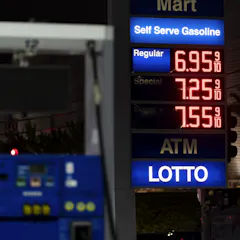
Price shocks are a feature of the global oil market, not a bug – and even when governments take many steps to grow supply or reduce demand, it can be years before prices ease.

The US economy is cooling, yet inflation remains elevated, a combo that suggests stagflation might be right around the corner.
Top contributors
-

Lecturer in International Studies, University of Washington
-
Lecturer in Energy Systems, University of Oxford
-
Assistant Professor of Econometrics & Statistics, Melbourne Business School
-
Professor and Head, School of Business, Monash University Malaysia
-
Postdoctoral Fellow, Center for Presidential History, Southern Methodist University
-
Senior Lecturer in Security Studies, Macquarie University
-
Associate Professor of Law and Finance, University of Reading
-
Research Fellow, Curtin University
-
Founder & CEO, The University of Western Australia
-
Honorary Fellow, The University of Queensland
-
Research Fellow, Energy Policy Group, University of Exeter
-
Associate Professor, London School of Economics and Political Science
-
Departmental Visitor, Centre for Arab and Islamic Studies, Australian National University
-
PhD Researcher, Commodity Finance, University College Dublin
-
Professor of Geosciences, Penn State